

Supermarkets Remove Disposable Barbecues From Shelves Following Wildfire Guidance
Major UK grocers have suspended sales of single-use grills to mitigate wildfire risks in line with recommendations from the National Fire Chiefs Council.
By The Global Wire Newsroom · Reported from Izzie Addison
Link preview · horizonglobalnews.com
Supermarkets Remove Disposable Barbecues From Shelves Following Wildfire Guidance
Major UK grocers have suspended sales of single-use grills to mitigate wildfire risks in line with recommendations from the National Fire Chiefs Council.
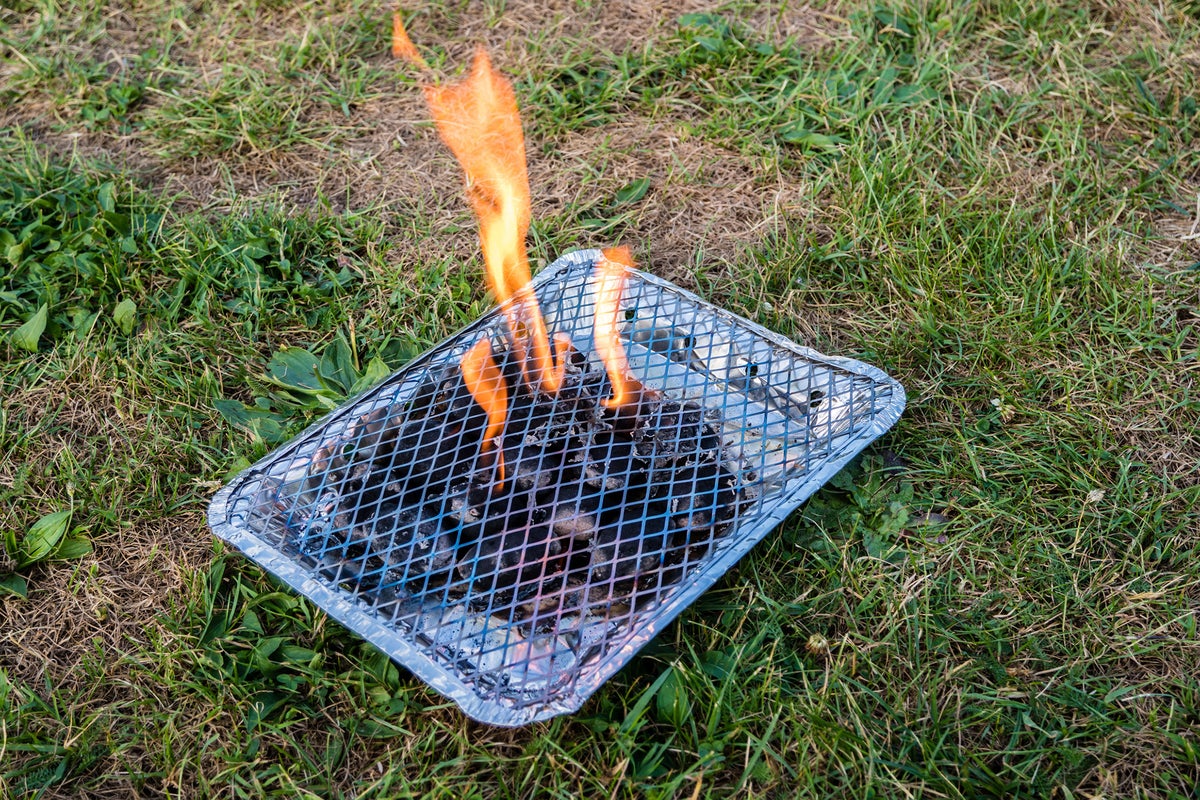
Major supermarket chains have begun removing disposable single-use barbecues from store shelves, taking preventative measures to lower the risk of dangerous wildfires during periods of hot weather and dry conditions. The decision to suspend sales comes as retail leaders respond to advice issued by emergency services and safety organizations seeking to minimize outdoor fire hazards.
According to reporting by Izzie Addison, the retailers acting to halt sales are doing so in alignment with voluntary guidance published by the National Fire Chiefs Council. The move highlights an increasing effort by both commercial operators and fire authorities to mitigate the heightened danger of accidental grass and forest fires, which frequently escalate rapidly when dry vegetation comes into contact with open flames or discarded heat sources.
Retailers act on fire chief guidance
The decision by major grocers to pull the single-use foil tray barbecues reflects growing cooperation between the retail sector and emergency services. While no mandatory nationwide ban on the sale of disposable barbecues is currently in force, individual retail chains have opted to take voluntary measures to curtail their availability across store networks.
As detailed in reporting by Izzie Addison, the participating supermarkets are adhering to recommendations outlined by the National Fire Chiefs Council. The council, which represents chief fire officers and fire and rescue services across the United Kingdom, has long advocated for reduced use of disposable grills, particularly during dry spells when fields, heathlands, and public parks become highly combustible.
By temporarily or permanently removing these items from inventory, retailers aim to prevent instances where casual outdoor cooking leads to uncontrolled blazes. Emergency services have repeatedly noted that single-use charcoal grills are frequently used in high-risk environments such as grassy parks, nature reserves, and woodland areas, where a single stray ember can trigger a major incident.
The mechanics of wildfire hazards
Disposable barbecues present a unique set of safety challenges that set them apart from permanent home cooking equipment. Typically constructed from thin aluminum foil containers filled with charcoal and treated with fire accelerants, these compact units generate high temperatures directly on the ground surface upon which they sit.
When placed directly on grass, wooden benches, or leaf litter, the intense heat beneath the foil tray can scorch organic material, igniting dry soil or underlying root systems even after the main fire appears to have burned out. Furthermore, because these products are lightweight and portable, users frequently discard them in public litter bins before they have fully cooled down, inadvertently starting fires in waste receptacles or surrounding countryside.
The National Fire Chiefs Council has consistently highlighted how the improper disposal and usage of these items stretch emergency resources thin. During periods of elevated heat and drought, fire and rescue service personnel are routinely deployed to tackle widespread countryside blazes that stem from negligent outdoor cooking, taking vital emergency units away from domestic and structural calls.
Broader environmental and safety context
The removal of disposable barbecues from major supermarket shelves is part of a broader ongoing discussion regarding environmental protection and public safety. Beyond the immediate threat of grass fires, single-use charcoal grills have faced criticism from environmental groups and local councils due to their non-recyclable components and the volume of litter left behind in beauty spots.
Single-use trays contain metals and treated charcoal that often end up in landfill or left as refuse in public spaces. Many local authorities have previously implemented local bylaws prohibiting open fires and disposable barbecues in municipal parks, nature reserves, and coastal dune systems. However, enforcement of local bans has historically proven difficult when the products remain readily accessible at nearby retail outlets.
By cutting off the supply at the point of sale, retail chains provide an effective frontline barrier against unmonitored outdoor cooking in vulnerable areas. The voluntary withdrawal by major supermarkets addresses the issue at its root, reducing the likelihood that consumers will impulse-purchase single-use grills for immediate use in nearby green spaces.
Response from fire services and safety advocates
Fire safety officials have welcomed voluntary retail actions, viewing them as a crucial component of public risk reduction during critical weather windows. Fire and rescue services across the country regularly launch seasonal awareness campaigns urging the public to refrain from using open flames in rural areas, suggesting alternative methods such as pre-cooked picnics or designated permanent barbecue facilities instead.
While voluntary retail suspensions represent a significant step, discussions continue regarding whether long-term regulatory frameworks are necessary to manage the risk posed by portable outdoor heat sources. Safety organizations continue to publish clear guidelines for outdoor recreational activities, advising members of the public never to leave open flames unattended, to ensure charcoal is completely cold before disposal, and to report any signs of smoke or wildfire immediately to emergency dispatchers.
The proactive measures taken by supermarkets demonstrate an evolving corporate responsibility model, where commercial entities adjust stock availability in direct response to public safety warnings and environmental vulnerability indicators.
Industry trends and future outlook
As seasonal weather patterns produce prolonged dry spells, the retail industry faces growing pressure to adopt consistent policies regarding high-risk summer products. The temporary suspension of disposable barbecue sales could signal a permanent shift in how major UK supermarkets manage seasonal inventory during hot periods.
Future strategies among major retailers may involve permanently replacing single-use foil barbecues with safer, reusable outdoor cooking alternatives, or restricting sales strictly to seasons or regions where fire threat levels remain low. Policy advisors and fire safety experts will monitor the impact of the current voluntary sales suspensions to determine whether incident rates of accidental grass fires decrease as a direct result of restricted product access.
For now, emergency services emphasize that public vigilance remains paramount. While removing disposable barbecues from shelves reduces accessibility, safety advocates stress that individuals must remain cautious when spending time outdoors, adhering to local rules and exercising care to preserve natural habitats and protect public safety.
This article was written independently by Global Wire staff based on reporting originally conducted by Izzie Addison.
How this story was produced
This report was written by The Global Wire newsroom from reporting first published by Izzie Addison. We verify the core facts against the original report, write our own account, and add the background and consequences a short wire item leaves out. Drafting is AI-assisted inside an editor-supervised pipeline, and every story is checked for accuracy of attribution, structure and duplication before it appears — full detail in our AI and funding disclosure.
Spotted an error? Tell us at corrections@horizonglobalnews.com and read our corrections policy or editorial standards.




Reader comments
Loading comments…