

Study Highlights Indoor Air Pollution and Extreme Heat Hazards in Commercial Gas Kitchens
A study led by California researchers reveals that commercial gas stoves and ovens expose restaurant staff to hazardous indoor air pollutants and unsafe thermal conditions.
By The Global Wire Newsroom · Reported from Tony Briscoe
Link preview · horizonglobalnews.com
Study Highlights Indoor Air Pollution and Extreme Heat Hazards in Commercial Gas Kitchens
A study led by California researchers reveals that commercial gas stoves and ovens expose restaurant staff to hazardous indoor air pollutants and unsafe thermal conditions.
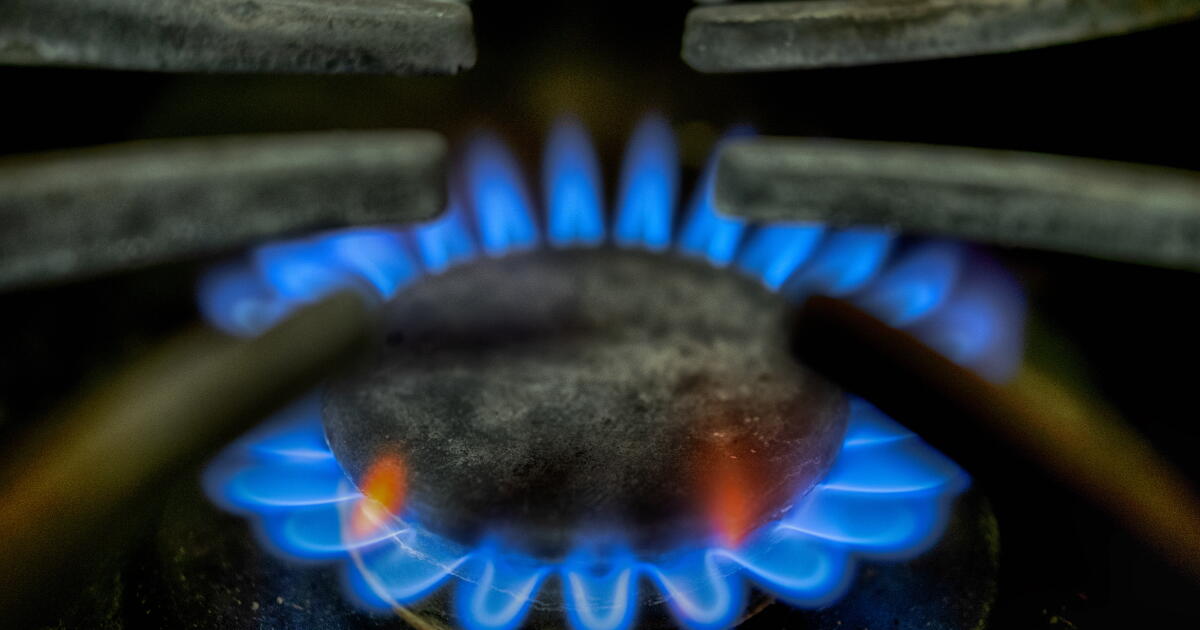
Commercial kitchens operating gas-fired ranges, broilers, and ovens subject food service staff to elevated concentrations of toxic air pollutants and dangerous thermal stress, according to findings from a study led by academic researchers in California. The investigation, reported by journalist Tony Briscoe, highlights occupational safety risks within the hospitality industry, where line cooks, prep workers, and kitchen personnel routinely spend extended shifts operating high-output combustion appliances inside enclosed environments.
Key facts
What happened
Researchers based in California evaluated environmental conditions in commercial kitchen environments to quantify the chemical and thermal hazards faced by food service workers. According to reporting by Tony Briscoe, the study established that conventional gas ranges, ovens, and broilers generate continuous indoor air contamination while generating extreme ambient heat.
During routine operation, gas appliances rely on the combustion of natural gas—a fuel composed primarily of methane. This process releases a mixture of airborne contaminants directly into the workplace atmosphere. Key pollutants identified in gas combustion exhaust include nitrogen dioxide, carbon monoxide, fine particulate matter measuring 2.5 microns or smaller, and unburned hydrocarbons such as benzene. In indoor environments with high production volumes, these emissions accumulate rapidly.
In addition to chemical emissions, the study focused on thermal stress. Commercial gas burners operate continuously during service hours, casting off radiant heat that elevates ambient workplace temperatures beyond standard indoor thermal comfort zones. The researchers found that combining intense radiant heat with inadequate mechanical ventilation leaves kitchen crews vulnerable to acute thermal distress and chronic respiratory risks throughout their shifts.
Why it matters
The findings draw attention to a neglected segment of occupational health policy. According to data from the U.S. Bureau of Labor Statistics, the food preparation and serving sector employs millions of workers nationwide. Kitchen staff frequently operate in confined, high-tempo environments where ambient temperatures and air quality receive less regulatory oversight than heavy industrial settings.
Exposure to indoor air pollutants like nitrogen dioxide is linked to airway inflammation, heightened bronchial reactivity, and the exacerbation of chronic respiratory conditions such as asthma and chronic obstructive pulmonary disease. Fine particulate matter can penetrate deep into pulmonary tissue and enter the bloodstream, posing cardiovascular and respiratory hazards over long-term exposures.
Thermal stress presents immediate operational and health hazards. Elevated indoor temperatures contribute to heat exhaustion, heat cramps, dehydration, and heat stroke, while impairing cognitive function and physical coordination. This increases the likelihood of workplace accidents, such as burns and slips.
The findings also carry economic implications for the restaurant industry. Food service operators face potential productivity losses, increased worker compensation claims, and rising turnover in an industry already contending with labor shortages. Transitioning from gas to commercial induction cooking equipment presents an alternative pathway: induction cooktops transfer roughly 80 to 90 percent of their energy directly to cookware, compared to roughly 35 to 40 percent efficiency for gas burners. This efficiency difference dramatically reduces waste heat in kitchens while eliminating combustion exhaust altogether. However, adoption remains hindered by upfront capital costs and electrical infrastructure requirements.
The background
Public interest in the health effects of gas appliances has grown substantially since 2022, when a series of academic studies focused on residential gas stoves. Research from institutions such as Stanford University and Rocky Mountain Institute established that residential gas stoves leak unburned methane containing benzene when turned off and generate indoor nitrogen dioxide concentrations that frequently exceed ambient outdoor air quality standards. Those studies linked residential gas stove use to an increased incidence of childhood asthma, sparking national debates and regulatory inquiries by bodies such as the U.S. Consumer Product Safety Commission.
While residential appliances have drawn extensive media and policy attention, commercial kitchens operate on an entirely different scale. A typical residential stove burner produces between 7,000 and 12,000 British Thermal Units (BTUs) per hour. By contrast, heavy-duty commercial range burners routinely generate between 15,000 and 30,000 BTUs per hour, with specialty equipment like wok ranges exceeding 100,000 BTUs per hour. Commercial kitchens also deploy multiple burners, flat-top griddles, and salamander broilers simultaneously for 10 to 16 hours per day.
Occupational safety standards governing indoor air quality and heat stress in commercial spaces remain inconsistent. Under the Occupational Safety and Health Act of 1970, the U.S. Occupational Safety and Health Administration (OSHA) relies on its General Duty Clause, Section 5(a)(1), to require employers to maintain workplaces free from recognized hazards causing or likely to cause death or serious physical harm. However, federal OSHA lacks a specific, mandatory indoor heat stress standard. At the state level, California led regulatory efforts by adopting a dedicated indoor heat protection rule through Cal/OSHA in 2024, requiring employers to provide cooling areas, water, and rest periods when indoor workplace temperatures reach or exceed 82 degrees Fahrenheit.
Concurrently, municipal and state efforts to phase out natural gas in buildings have faced legal challenges. In April 2023, the U.S. Court of Appeals for the Ninth Circuit overturned the city of Berkeley, California’s landmark 2019 ban on natural gas piping in new construction, ruling that the ordinance violated federal preemptions under the Energy Policy and Conservation Act of 1975. This legal ruling forced state and local jurisdictions to shift their decarbonization strategies from outright gas hookup prohibitions toward zero-emission building codes and regional air quality standards targeting appliance emissions.
Reaction
The publication of the study is expected to draw scrutiny from labor organizations, public health advocates, hospitality trade groups, and occupational regulators.
Labor organizations representing service workers, such as UNITE HERE, have historically advocated for stricter indoor environmental controls, mandatory heat relief protocols, and improved mechanical ventilation enforcement in commercial kitchens. Union representatives are likely to use the study's findings to push for stronger safety provisions in collective bargaining agreements and to support regulatory efforts expanding indoor heat rules nationwide.
Public health professionals and environmental advocacy groups are expected to cite the data to support policy measures encouraging restaurant electrification. Advocates argue that transition grants and utility rebates should be expanded to help small business owners replace gas ranges with high-efficiency induction systems, framing cooktop replacement as a dual victory for worker welfare and carbon reduction.
Conversely, restaurant industry representatives and commercial trade associations, such as the National Restaurant Association and state-level restaurant groups, typically emphasize the operational and financial challenges of rapid electrification. Industry spokespersons often point out that commercial kitchen retrofits require extensive electrical panel upgrades, costly structural modifications, and specialized cookware. Furthermore, many professional chefs express a preference for open-flame cooking methods for specific culinary styles, such as high-heat searing and wok cookery.
What we don't know yet
Several key technical and operational parameters remain unaddressed in the preliminary summary of the research. The available reporting does not specify the precise sample size of commercial establishments evaluated in the study, nor does it detail the geographic distribution, kitchen square footage, or menu types of the monitored facilities.
It is also unclear to what extent ventilation system age, design, and maintenance practices mitigated or worsened exposure levels across the studied kitchens. Standard commercial hood systems operating under American Society of Heating, Refrigerating and Air-Conditioning Engineers (ASHRAE) guidelines are designed to capture grease and heat, but their efficacy at capturing fine gaseous combustion emissions like nitrogen dioxide at worker breathing level varies widely.
Additionally, the study's summary does not detail the relative contribution of gas combustion emissions versus particulate matter generated by high-heat cooking oil breakdown. Disentangling the chemical signature of fuel combustion from cooking smoke remains an essential distinction for targeted regulatory policy and ventilation engineering.
What to watch
In the coming months, several regulatory and legislative milestones will clarify how state and federal agencies address commercial kitchen hazards:
Reporting for this article is based on news coverage originally published by Tony Briscoe.
How this story was produced
This report was written by The Global Wire newsroom from reporting first published by Tony Briscoe. We verify the core facts against the original report, write our own account, and add the background and consequences a short wire item leaves out. Drafting is AI-assisted inside an editor-supervised pipeline, and every story is checked for accuracy of attribution, structure and duplication before it appears — full detail in our AI and funding disclosure.
Spotted an error? Tell us at corrections@horizonglobalnews.com and read our corrections policy or editorial standards.






Reader comments
Loading comments…