

Southern California Police Investigate Theft of 30,000 Cans of Pabst Beer Valued at $70,000
Authorities in Southern California are searching for suspects behind two separate warehouse break-ins on the same day that yielded tens of thousands of cans of beer.
By The Global Wire Newsroom · Reported from Via AP news wire
Link preview · horizonglobalnews.com
Southern California Police Investigate Theft of 30,000 Cans of Pabst Beer Valued at $70,000
Authorities in Southern California are searching for suspects behind two separate warehouse break-ins on the same day that yielded tens of thousands of cans of beer.
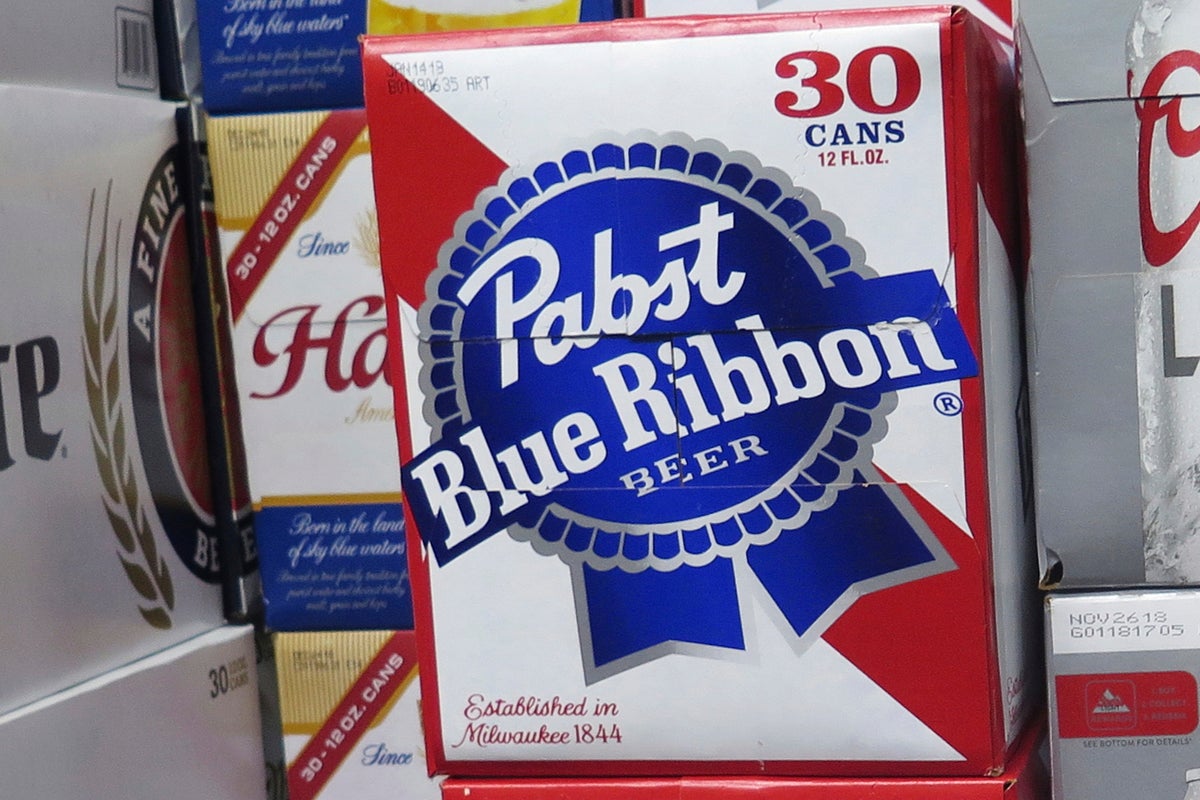
Authorities in Southern California have launched an investigation into the theft of more than 30,000 cans of Pabst beer valued at approximately $70,000, following a pair of back-to-back warehouse burglaries on the same day. According to reporting by the Associated Press, law enforcement officials are working to trace the perpetrator or perpetrators behind the double heist, which targeted a single commercial facility. The unusual case highlights growing concerns across the commercial logistics and freight industries regarding physical security vulnerabilities at regional distribution hubs, where high-volume consumer goods remain prime targets for organized theft syndicates.
Key facts
What happened
The details surrounding the double burglary center on a commercial logistics hub in Southern California where thousands of cases of beer were stored for regional distribution. According to reporting by the Associated Press, intruders targeted the facility twice within a single 24-hour period, successfully removing more than 30,000 cans of beer carrying the Pabst brand name.
The commercial value of the missing merchandise was placed at approximately $70,000 by investigating authorities. Transporting a shipment of that volume—which represents over 1,200 standard 24-can cases or roughly 15 to 20 full shipping pallets—would typically require commercial-grade transport vehicles, such as heavy-duty box trucks or semi-trailer rigs, along with specialized equipment like forklifts or pallet jacks to clear warehouse bays.
Investigating officers have not disclosed how the unauthorized individuals gained access to the warehouse during either entry, nor whether security alarms, surveillance systems, or physical personnel were bypassed or compromised. Law enforcement agencies in Southern California have commenced a broader sweep of regional surveillance footage, commercial shipping logs, and local distribution channels to trace both the transport vehicles involved and the eventual destination of the stolen stock. As of late August 2026, police have announced no arrests and have not named specific suspects or targeted vehicles connected to the twin heists.
Why it matters
While a single theft of alcoholic beverages might appear to be an isolated commercial crime, a $70,000 heist involving tens of thousands of aluminum cans illustrates the operational challenges facing modern freight and warehouse management systems. In industrial supply chains, stolen Fast-Moving Consumer Goods (FMCG)—a category encompassing food, beverages, personal care items, and household products—represent a growing share of commercial property loss because they are easy to liquidate and difficult to trace.
Unlike high-value electronics or luxury apparel, low-cost commodity items such as beer carry virtually no unique individual serial numbers or trackable digital signatures on individual packaging. Once taken out of secondary shipping containers or stripped of stretch-wrapped pallet labels, individual cans or 12-pack cartons can be integrated seamlessly into the informal economy, sold to unscrupulous independent retailers, or distributed across secondary flea markets and online marketplaces.
For logistics providers and warehouse operators in California, double-dip burglaries—where criminals strike the same location twice in close temporal proximity—signal severe operational vulnerabilities. Such incidents frequently point to inside knowledge regarding shift changes, security guard patrols, alarm system dead zones, or inventory storage locations. From an economic perspective, unrecovered losses of this magnitude drive up commercial liability insurance premiums for freight facilities, force distributors to spend heavily on enhanced perimeter security, and create localized supply chain disruptions for regional retailers awaiting scheduled beverage deliveries.
The background
The Southern California burglary reflects broader national trends in freight crime and cargo theft across the United States. According to historical tracking data from supply chain security analytics firms such as CargoNet and Overhaul, cargo theft incidents across North America have escalated substantially since the early 2020s, with reported losses exceeding hundreds of millions of dollars annually. California routinely ranks among the top states nationwide for cargo theft, alongside Texas, Florida, and Georgia, due to its massive network of intermodal freight hubs, deepwater ports in Los Angeles and Long Beach, and sprawling inland warehouse corridor in the Inland Empire.
Historically, commercial warehouse burglaries fall into two distinct categories: direct physical break-ins and strategic cargo theft. Direct physical break-ins involve forced entry, lock-cutting, or perimeter breach, whereas strategic theft relies on identity theft, fraudulent pickup orders, and forged bill-of-lading documents to trick warehouse staff into loading stolen goods directly onto unauthorized semi-trucks. The occurrence of two separate physical intrusions on the same day at a single facility is a rarer phenomenon, typically indicating that initial success emboldened perpetrators to return before law enforcement or facility managers could adjust security measures.
Under the California Penal Code, commercial burglary and grand theft involving property valued above $950 are treated as serious felonies. Penal Code Section 459 defines burglary as entering any commercial structure with the intent to commit grand or petit larceny, while Penal Code Section 487 defines grand theft based on the property's fair market value exceeding statutory thresholds. When organized groups orchestrate systematic thefts across commercial facilities, prosecutors can also apply California's Organized Retail Theft statutes, which carry enhanced penalties and allow for aggregated valuation of stolen property.
Pabst Brewing Company, founded in Milwaukee, Wisconsin, in 1844, relies on a complex network of third-party logistics (3PL) providers, contract warehouses, and independent beverage distributors to move its flagship Pabst Blue Ribbon beer and associated brand portfolios across North American markets. Because major beverage brands do not typically own every regional distribution warehouse that handles their products, facility security remains the joint responsibility of third-party logistics firms, property management companies, and regional distributors.
Reaction
In the immediate aftermath of the theft, formal public statements from local municipal departments remain limited as detectives carry out initial field investigations. Neither the management of the targeted Southern California warehouse facility nor official representatives from Pabst Brewing Company have released detailed public statements regarding internal security reviews or changes to their supply chain routing.
Industry trade groups representing beverage distributors and logistics managers in California are expected to reiterate calls for tighter security standards and increased coordination between law enforcement agencies and commercial transport operators. Within regional law enforcement, specialized cargo theft task forces—which bring together local police departments, county sheriff's offices, and the California Highway Patrol (CHP)—typically monitor incidents of this nature to check for patterns matching active organized crime syndicates operating throughout the state's commercial corridors.
What we don't know yet
Several critical details regarding the Southern California warehouse theft remain unverified or undisclosed by law enforcement agencies:
Resolving these open questions will be essential for law enforcement to determine whether the theft represents an opportunistic crime or an operation planned by an organized cargo theft network.
What to watch
In the coming days and weeks, several key developments will indicate how the law enforcement response and administrative consequences unfold:
This report is based on original news reporting provided by the Associated Press.
How this story was produced
This report was written by The Global Wire newsroom from reporting first published by Via AP news wire. We verify the core facts against the original report, write our own account, and add the background and consequences a short wire item leaves out. Drafting is AI-assisted inside an editor-supervised pipeline, and every story is checked for accuracy of attribution, structure and duplication before it appears — full detail in our AI and funding disclosure.
Spotted an error? Tell us at corrections@horizonglobalnews.com and read our corrections policy or editorial standards.





Reader comments
Loading comments…