

Scientific Review Highlights 101 Insights into Brain Function, Memory, and Perception
A compilation of scientific research in psychology and neuroscience highlights 101 findings across memory, sleep, perception, and personality, according to reporting by Eric W Dolan.
By The Global Wire Newsroom · Reported from Eric W Dolan
Link preview · horizonglobalnews.com
Scientific Review Highlights 101 Insights into Brain Function, Memory, and Perception
A compilation of scientific research in psychology and neuroscience highlights 101 findings across memory, sleep, perception, and personality, according to reporting by Eric W Dolan.
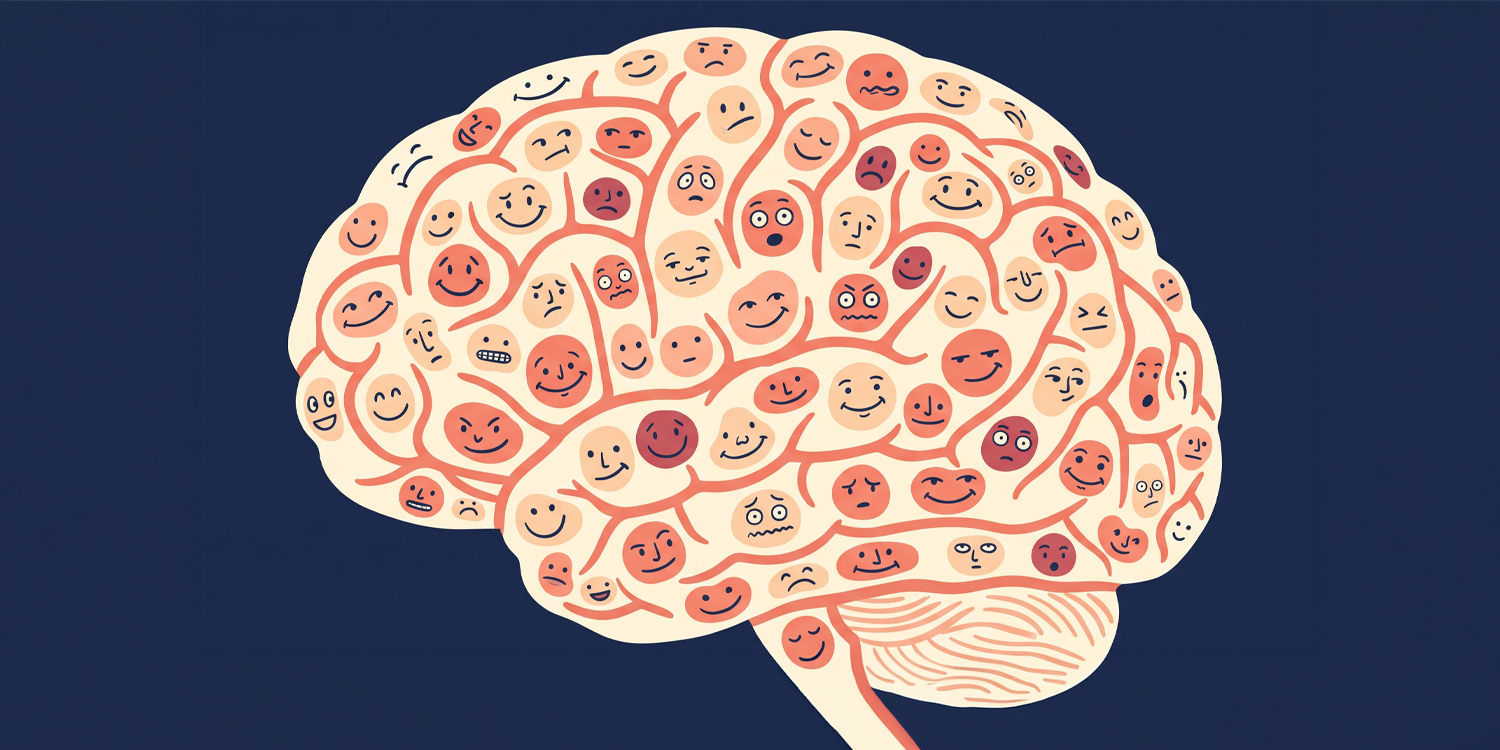
A comprehensive review of scientific literature has brought together 101 distinct findings from the fields of psychology and neuroscience, highlighting the intricate and often counterintuitive inner workings of the human mind, according to reporting by Eric W Dolan. The compilation aggregates research across four primary areas of cognitive and behavioral study: memory, sleep, perception, and personality. Designed to bridge the gap between complex academic research and public understanding, the report outlines how empirical science continues to uncover non-obvious patterns in human thought, sensation, and behavior.
Key domains of cognitive research
Psychology and neuroscience represent two closely aligned disciplines dedicated to understanding how biological processes in the brain translate into subjective experiences and observable actions. While neuroscience focuses heavily on the physiological structures, neural circuits, and chemical mechanisms that underpin neurological activity, psychology examines mental functions, emotional responses, and behavioral outcomes at both individual and social levels. Over recent decades, interdisciplinary collaboration between these fields has expanded significantly, driven by advancements in neuroimaging techniques, behavioral testing frameworks, and computational modeling.
The integration of these disciplines has generated an expansive body of literature aimed at demystifying human mental architecture. Compilations that distill numerous individual studies into accessible highlights serve to showcase the breadth of modern cognitive science. According to the reporting by Eric W Dolan, synthesizing findings across memory, sleep, perception, and personality provides a broad overview of how empirical methods are applied to everyday human experiences, offering insights into cognitive functions that individuals often take for granted.
Memory and perception in scientific literature
Memory and perception constitute fundamental pillars of cognitive science research. Perception refers to the sensory processes by which the brain receives, interprets, and organizes information from the external environment. Scientific investigations into perception frequently demonstrate that human sensory experience is not a passive, objective recording of reality. Instead, the brain actively constructs perception through complex neural mechanisms that filter, prioritize, and interpret incoming signals based on environmental context, prior expectations, and inherent neurological boundaries.
Similarly, memory research examines how information is encoded, stored, and subsequently retrieved by the brain. Academic studies in this domain consistently show that human memory operates differently from artificial or digital storage systems. Rather than preserving static, permanent records of past events, memory is a dynamic and reconstructive process subject to decay, alteration, and contextual influence over time. As highlighted in the report by Eric W Dolan, psychological and neuroscientific findings in these areas continually reveal the subtle mechanisms that shape how individuals process current reality and reconstruct past experiences.
Sleep and personality traits
Sleep and personality represent two additional domains of intense study within contemporary behavioral and neurological research. Sleep science investigates the biological necessity of rest, examining how different stages of the sleep cycle contribute to neurological maintenance, emotional regulation, cognitive performance, and memory consolidation. Researchers in this field analyze how neural activity shifts during sleep and how physiological disruptions during rest impact daytime brain function, physical health, and psychological well-being.
Personality psychology, meanwhile, focuses on identifying, categorizing, and measuring persistent patterns of thinking, feeling, and behaving that distinguish one individual from another. Scientific frameworks in this discipline rely on empirical methodologies to map out personality structures, evaluate their stability across the human lifespan, and determine how genetic predispositions interact with environmental influences. The inclusion of research findings on sleep and personality alongside memory and perception, as detailed by Eric W Dolan, underscores the interconnected nature of physical brain processes and individual behavioral traits.
Public engagement with brain science
The translation of specialized academic research into accessible summary formats plays a critical role in public science communication. Scholarly papers published in peer-reviewed journals are typically written using dense, discipline-specific terminology and statistical frameworks intended primarily for specialized academic audiences. As a result, direct engagement with primary literature can present substantial technical barriers for non-specialist readers seeking to understand current scientific consensus.
Curated compilations that present distinct, evidence-based findings help democratize access to scientific knowledge. By highlighting surprising or counterintuitive insights regarding human behavior and brain function, science writing facilitates broader public engagement with empirical research. Reporting by Eric W Dolan demonstrates how aggregating findings from neuroscience and psychology can foster public curiosity regarding the biological and psychological factors that govern daily cognitive operations.
Broader implications for cognitive research
The ongoing exploration of the human mind and brain holds broad implications across multiple societal sectors, including education, healthcare, and technology. Understanding the neurological underpinnings of memory and perception directly informs instructional design, learning strategies, and clinical approaches to cognitive rehabilitation. Similarly, ongoing research into sleep mechanics contributes to public health initiatives designed to address sleep deprivation and related physical and mental health conditions.
In addition, insights derived from personality research inform clinical psychology, organizational management, and behavioral assessment frameworks. As research methodologies in neuroscience and psychological measurement continue to advance, scientists are increasingly equipped to test complex hypotheses about human cognition. Synthesized overviews of empirical literature reflect a continuous, global effort to systematically map the functional parameters of the human brain and better understand the mechanisms that drive human behavior.
Source credit
This article is based on reporting originally published by Eric W Dolan.
How this story was produced
This report was written by The Global Wire newsroom from reporting first published by Eric W Dolan. We verify the core facts against the original report, write our own account, and add the background and consequences a short wire item leaves out. Drafting is AI-assisted inside an editor-supervised pipeline, and every story is checked for accuracy of attribution, structure and duplication before it appears — full detail in our AI and funding disclosure.
Spotted an error? Tell us at corrections@horizonglobalnews.com and read our corrections policy or editorial standards.


Reader comments
Loading comments…