

Rockstar Explores Red Dead Redemption Screen Adaptations While Shielding Grand Theft Auto
Rockstar Games is actively shopping film and television rights for Red Dead Redemption while keeping Grand Theft Auto off the market, according to reporting by Sherif Saed.
By The Global Wire Newsroom · Reported from Sherif Saed
Link preview · horizonglobalnews.com
Rockstar Explores Red Dead Redemption Screen Adaptations While Shielding Grand Theft Auto
Rockstar Games is actively shopping film and television rights for Red Dead Redemption while keeping Grand Theft Auto off the market, according to reporting by Sherif Saed.
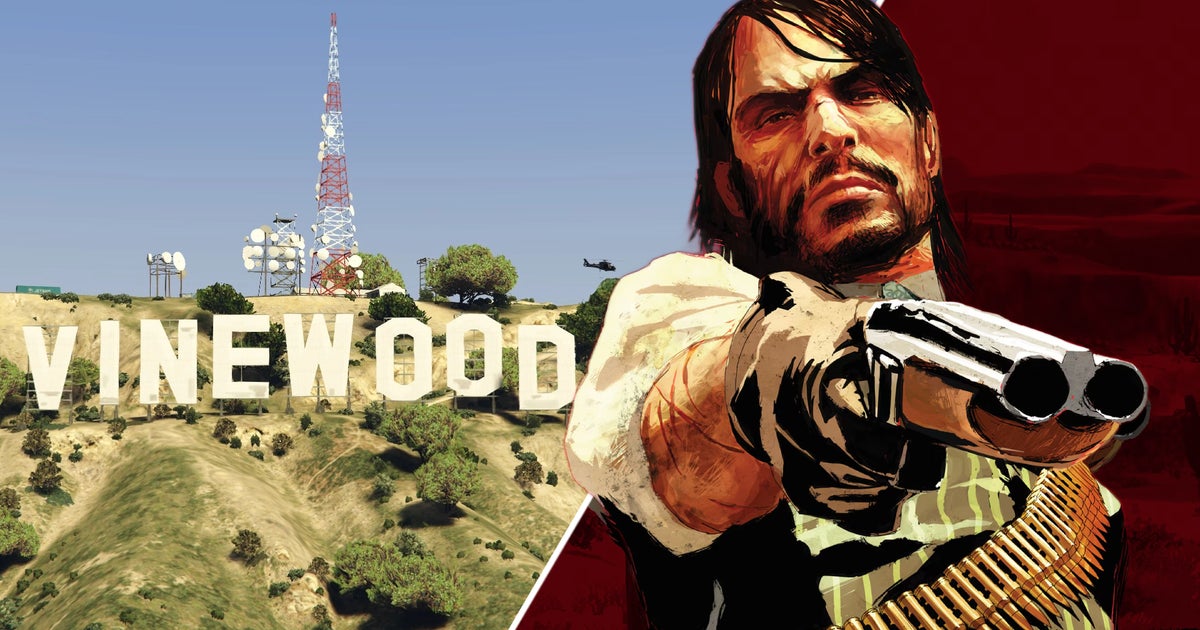
Rockstar Games has initiated efforts to license the film and television rights for its acclaimed Western video game franchise, Red Dead Redemption, to entertainment studios, while deliberately keeping its multi-billion-dollar flagship property, Grand Theft Auto, off the market, according to reporting by Sherif Saed. The discussions mark a notable departure from the long-standing media-rights stance maintained by Rockstar and its parent company, Take-Two Interactive Software, Inc. For decades, both entities have avoided transferring their premier intellectual properties to Hollywood, maintaining a policy of self-reliance within an interactive entertainment sector that has otherwise aggressively forged screen licensing partnerships with streaming platforms and traditional film studios.
Key facts
What happened
According to reporting published by Sherif Saed, Rockstar Games has entered the entertainment marketplace to explore commercial interest and pitch potential live-action or episodic adaptations based on Red Dead Redemption. The effort involves active outreach to external production companies, talent agencies, and streaming platforms seeking high-profile narrative properties with established global audiences.
At the same time, the reporting indicates that Rockstar has established strict boundaries around these discussions by keeping Grand Theft Auto completely off the table. Over the past two decades, high-profile Hollywood directors, producers, and film executives have repeatedly approached Take-Two Interactive to secure the rights to Grand Theft Auto. Rockstar has rebuffed every proposal. The current exploration does not alter that policy, focusing exclusively on the frontier setting and narrative framework of Red Dead Redemption.
The development underscores a clear divergence in how Rockstar handles its two foundational properties. Historically, both franchises have stood out for their absence from screens, even as rival gaming companies signed sweeping licensing deals. By seeking partners specifically for Red Dead Redemption while shielding Grand Theft Auto, Rockstar is testing the viability of external screen development without exposing its primary commercial engine to third-party adaptation risks.
Why it matters
The decision to shop Red Dead Redemption while sheltering Grand Theft Auto carries significant commercial and structural implications for both the gaming and filmed entertainment sectors. Over the past five years, major Hollywood studios and streaming platforms have increasingly turned to interactive video game properties to replenish their intellectual property pipelines, driven by audience fatigue with traditional comic-book franchises. The critical and commercial achievements of adaptations such as HBO's television version of The Last of Us and Amazon Prime Video's Fallout series have proven that video game narratives, when backed by substantial budgets and respected showrunners, can draw tens of millions of viewers, capture major awards, and generate renewed sales for the underlying software.
For Take-Two Interactive Software, Inc., pursuing an adaptation for Red Dead Redemption represents a calculated effort to tap into the enduring cultural demand for prestige Western storytelling. The genre has enjoyed a broad commercial resurgence across television, driven by Paramount Network's Yellowstone and its historical prequels. Red Dead Redemption's narrative framework—centered on the decline of the American frontier, institutional corruption, and tragic personal redemption—possesses the moral complexity and cinematic atmosphere that prestige networks covet.
Conversely, shielding Grand Theft Auto reflects the stark financial realities of the video game sector. Grand Theft Auto V has generated billions of dollars in revenue purely through retail game sales and sustained digital monetization via Grand Theft Auto Online. For a property of that scale, Hollywood licensing fees offer minimal financial upside while introducing enormous reputational risk. A flawed cinematic adaptation could tarnish the brand equity of a gaming franchise that operates on a scale larger than most Hollywood film studios. By restricting external licensing to Red Dead Redemption, Take-Two and Rockstar can participate in the Hollywood adaptation market without placing their most valuable asset in outside hands.
The background
Rockstar Games was founded in December 1998 in New York City by Sam Houser, Dan Houser, Terry Donovan, and Jamie King as a publishing subsidiary of Take-Two Interactive Software, Inc. Over the past 25 years, the studio built an industry reputation based on narrative depth, technical detail, and creative independence. The Red Dead series originated in 2004 with Red Dead Revolver, a title initially conceived at Capcom before being acquired and finished by Rockstar San Diego. The property was transformed with the launch of Red Dead Redemption on May 18, 2010, which followed former outlaw John Marston across the American frontier in 1911. Its prequel, Red Dead Redemption 2, released on October 26, 2018, chronicled the moral unraveling of Arthur Morgan and the Van der Linde gang in 1899. Both titles received widespread critical acclaim, and cumulative sales across the Red Dead series have surpassed 92 million units worldwide, with Red Dead Redemption 2 alone exceeding 65 million copies.
In parallel, Grand Theft Auto became an unrivaled commercial phenomenon. Released on September 17, 2013, Grand Theft Auto V has sold over 205 million units globally and generated more than $8 billion in revenue, standing among the most profitable individual commercial releases in entertainment history.
Throughout this expansion, Take-Two Chief Executive Officer Strauss Zelnick has consistently articulated a conservative philosophy regarding Hollywood adaptations during investor conferences and earnings calls. Zelnick has repeatedly emphasized that traditional film licensing agreements yield modest licensing fees or low single-digit percentages of box-office profit, while transferring creative control to third-party directors and studio executives. If a production fails, the publisher absorbs significant brand damage with little financial compensation.
Take-Two experienced this dynamic firsthand through its publishing label 2K Games and subsidiary Gearbox Software with the film adaptation of Borderlands. Released by Lionsgate on August 9, 2024, Borderlands failed commercially and critically, generating less than $33 million at the worldwide box office against an estimated production budget exceeding $110 million. While Take-Two noted that the financial loss was absorbed primarily by Lionsgate, the release reinforced the brand vulnerabilities associated with Hollywood production.
Reaction
Neither Rockstar Games nor parent company Take-Two Interactive Software, Inc. has publicly commented on the report by Sherif Saed regarding the Red Dead Redemption rights discussions. Both entities have historically maintained a strict policy of declining to comment on preliminary licensing outreach, internal creative assessments, or Hollywood packaging rumors.
Public market analysts and institutional investors who follow Take-Two Interactive are expected to raise the issue during the company's next scheduled quarterly earnings call. Financial analysts routinely query executive leadership on intellectual property monetization, and observers will watch for any indication of whether Take-Two is modifying its licensing posture or seeking co-production partnerships that preserve creative authority.
Within the entertainment community, the availability of Red Dead Redemption is expected to generate strong interest among major streaming platforms, legacy film studios, and independent producers. Buyers including HBO, Netflix, Amazon MGM Studios, and Apple TV+ have actively competed for established video game properties capable of anchoring multi-year drama slates. The property's combination of cinematic scope, gritty historical authenticity, and global name recognition makes it an attractive target for prestige showrunners and directors seeking narrative frameworks with proven cross-demographic appeal.
What we don't know yet
Significant details regarding the reported rights shopping effort remain unverified and undisclosed. The primary reporting does not identify which specific entertainment studios, television networks, or streaming distributors have received presentations from Rockstar Games, nor does it confirm whether any formal bids or development agreements have been submitted.
Additionally, the desired format of the project has not been confirmed. It remains unknown whether Rockstar envisions Red Dead Redemption as an episodic television series, a theatrical feature film, or an animated prestige production. Industry observers broadly consider the franchise's multi-character structure and deliberate narrative pacing better suited for multi-season episodic television, but no official format has been established.
Crucially, the extent of creative control Rockstar and Take-Two are demanding remains unknown. Creative disputes over script approval, casting choices, and final cut authority have historically complicated negotiations between game publishers and Hollywood studios. Finally, it is not yet known whether a prospective adaptation would directly adapt the story arcs of John Marston and Arthur Morgan or establish an original storyline set within the fictionalized frontier world of the games.
What to watch
The development of any potential screen adaptation will depend on several upcoming milestones across the gaming and entertainment industries:
This report is based on original reporting published by video game journalist Sherif Saed.
How this story was produced
This report was written by The Global Wire newsroom from reporting first published by Sherif Saed. We verify the core facts against the original report, write our own account, and add the background and consequences a short wire item leaves out. Drafting is AI-assisted inside an editor-supervised pipeline, and every story is checked for accuracy of attribution, structure and duplication before it appears — full detail in our AI and funding disclosure.
Spotted an error? Tell us at corrections@horizonglobalnews.com and read our corrections policy or editorial standards.

Reader comments
Loading comments…