

FAA Nationwide Grounding Is Unrelated to Major Microsoft Outage, Reports Indicate
Federal aviation authorities and technology investigators separate two concurrent technical breakdowns after simultaneous failures grounded flights and disrupted enterprise systems.
By The Global Wire Newsroom · Reported from TMZ Staff
Link preview · horizonglobalnews.com
FAA Nationwide Grounding Is Unrelated to Major Microsoft Outage, Reports Indicate
Federal aviation authorities and technology investigators separate two concurrent technical breakdowns after simultaneous failures grounded flights and disrupted enterprise systems.
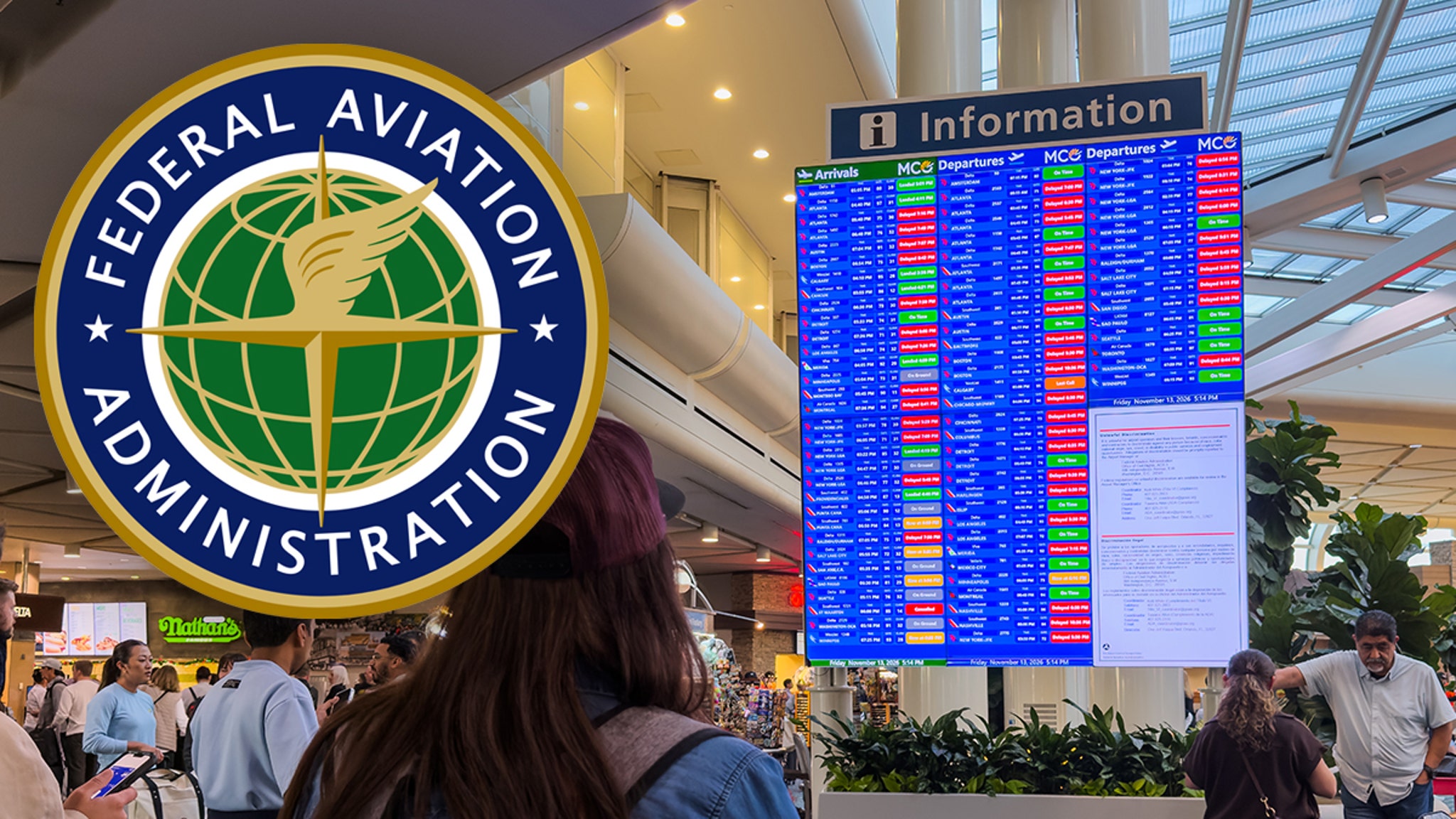
A nationwide system shutdown that grounded flights across the United States is not linked to a simultaneous, widespread technical outage affecting Microsoft platforms, according to reporting by TMZ. The dual disruptions, which occurred within the same operational window, initially sparked urgent concern among transportation officials, corporate administrators, and cybersecurity analysts that a coordinated digital attack or a common infrastructural fault had compromised critical American services. However, early findings indicate that the collapse of federal aviation systems and the failure within Microsoft enterprise architecture were coincidental events stemming from distinct root causes, setting off independent technical inquiries across Washington and the global technology sector.
Key facts
What happened
Air traffic operations across the United States were thrown into disarray when critical operational networks operated by the Federal Aviation Administration (FAA) suffered a catastrophic disruption, forcing air traffic managers to halt flight movements nationwide. Almost simultaneously, corporate networks, government users, and commercial organizations running on Microsoft's cloud and desktop software ecosystem began reporting widespread service denials, connectivity failures, and system freezes.
In airline operations centers and terminal radar approach control facilities, dispatchers and controllers encountered loss of system functions essential for verifying flight releases, managing airspace sectors, and tracking navigational notifications. The immediate result was an operational pause, leaving aircraft parked at gates, idling on taxiways, or holding in arrival patterns as safety protocols dictated a complete stop to new departures.
Because thousands of federal contractors, aviation logistics providers, and commercial carriers utilize Microsoft cloud services and Windows-based server environments for administrative and auxiliary operations, technicians initially scrambled to determine whether the FAA's failure was an auxiliary casualty of the software company's service breakdown. Given the scale of both events, government monitoring units immediately evaluated whether an advanced persistent threat group or hostile state actor had triggered a coordinated disruption across multiple nodes of critical national infrastructure.
According to reporting by TMZ, subsequent assessments by operational teams determined that the FAA's system failure was isolated from the widespread Microsoft software disruption. Engineers found that the internal technical breakdowns responsible for paralyzing federal airspace operations did not rely on or interface with the particular Microsoft pathways that sustained outages, ruling out a shared point of origin or a singular, cascading technical collapse.
Why it matters
The simultaneous breakdown of the national aviation apparatus and an enterprise cloud backbone underscores the acute vulnerability of interconnected modern logistics and communications. In the United States, the National Airspace System oversees roughly 45,000 flights carrying nearly three million passengers on any given day. Even a temporary nationwide ground stop of an hour triggers severe cascading repercussions: flight crews exceed their federally mandated duty hours under Federal Aviation Administration regulations, aircraft end up out of position across hundreds of regional hubs, and gate congestion cascades into days of operational recovery.
The economic toll of systemic aviation shutdowns runs into the hundreds of millions of dollars for passenger carriers, air freight providers, and consumer travel markets. Supply-chain logistics, which rely on tight passenger aircraft belly cargo schedules and dedicated air cargo networks, experience immediate delivery bottlenecks that disrupt manufacturing and pharmaceutical supply channels.
Beyond aviation, the coincidence of a major software outage demonstrates the profound concentration of risk within digital infrastructure. When a dominant cloud and enterprise platform like Microsoft suffers wide-area degradations, the shockwave ripples through hospital networks, banking transactions, emergency dispatch services, and municipal administration. The initial fear that the two events were linked demonstrates the acute anxiety that permeates critical infrastructure management, where safety and operational continuity are routinely vulnerable to unseen digital dependencies and software updates.
The background
Nationwide shutdowns of U.S. airspace are extraordinary occurrences, historically reserved for grave national security emergencies or severe systemic hardware breakdowns. Following the complete ground stop ordered on September 11, 2001, nationwide groundings remained virtually unprecedented until recent years, when legacy federal computing architecture has increasingly clashed with rising traffic volumes and modern digital protocols.
On January 11, 2023, the FAA imposed a historic nationwide domestic ground stop after the Notice to Air Missions (NOTAM) database corrupted. That failure, which delayed over 10,000 flights and grounded commercial air travel for several hours, was ultimately traced to a database synchronization error caused by contract personnel who accidentally deleted critical files while working on an aging data system. The incident prompted sharp criticism on Capitol Hill and renewed demands for expedited funding to complete the FAA's multi-billion-dollar NextGen air traffic modernization program.
The sensitivity of global aviation to enterprise software failures was demonstrated again on July 19, 2024, when a flawed sensor configuration update released by the cybersecurity firm CrowdStrike crippled roughly 8.5 million Microsoft Windows computers worldwide. While the underlying operating system was not itself the source of the defect, the kernel-level crash paralyzed terminal gate screens, baggage reconciliation tools, and crew-scheduling engines. Certain major U.S. carriers, notably Delta Air Lines, faced multi-day operational collapses that led to formal investigations by the Department of Transportation.
The FAA's air traffic network operates through a complex hierarchy centered at the Air Traffic Control System Command Center in Warrenton, Virginia. This facility monitors airspace capacity and coordinates flow-management programs with 22 En Route Centers and hundreds of Terminal Radar Approach Control facilities across the country. Many of these facilities depend on custom telecommunications pipelines and localized mainframe architectures designed specifically to ensure air traffic control separation survives general internet and power failures, creating an air gap between tactical radar separation and general administrative internet infrastructure.
Reaction
While neither agency nor enterprise issued full formal after-action reports in the immediate wake of the event, the incident triggered an urgent response across transportation, regulatory, and corporate sectors. Airline operational executives moved swiftly to activate contingency ground delays and re-route crews, while passenger advocacy organizations warned of widespread passenger strandings and called on carriers to adhere strictly to Department of Transportation compensation guidelines for cancellations caused by controllable infrastructure delays.
Lawmakers on the House Committee on Transportation and Infrastructure and the Senate Commerce, Science, and Transportation Committee are expected to summon federal aviation leadership to explain how a single technical event could once again paralyze national departures. In past disruptions of similar scope, congressional committees have demanded immediate briefings from the Transportation Secretary and FAA Administrator regarding the resilience of backup failover systems and disaster-recovery protocols.
Within the technology sector, chief information security officers and cloud architects voiced renewed concern over the opacity of cloud outages. Digital rights and cybersecurity monitoring groups noted that simultaneous, uncoordinated failures demonstrate that catastrophic infrastructure paralysis can occur entirely through ordinary software fragility, without requiring hostile nation-state intervention.
What we don't know yet
Substantial operational details remain unverified and undisclosed regarding the exact nature of both breakdowns. Technical authorities have not yet specified the exact component within the FAA's sprawling network that failed—whether the stoppage involved core flight plan processing engines, telecommunications trunk lines provided by civilian carriers, radar data processing arrays, or terminal automation systems.
Similarly, the precise technical architecture that broke down within Microsoft's environment has not been itemized, leaving unanswered questions about whether the software failure originated in public cloud routing, identity verification systems, or regional data-center power disruptions. Furthermore, official metrics detailing the total number of delayed flights, canceled passenger journeys, and estimated economic damages to commercial carriers and air cargo networks have not yet been compiled by federal aviation authorities.
What to watch
In the coming days, observers should monitor the publication of the FAA's preliminary incident summary, which will formally identify the failure mechanism and explain why secondary backup systems failed to seamlessly absorb air traffic command functions. Parallel attention will focus on Microsoft's cloud status dashboard and post-incident review documentation, which typically provides technical details about root causes, mitigation procedures, and preventive code deployments.
Transportation watchers will also track the pace of airline operational recoveries at major hub airports, including Atlanta, Chicago O'Hare, Dallas-Fort Worth, and Denver, where aircraft and flight crew displacement typically threatens scheduling reliability for days following a nationwide ground stop. Finally, statements from the Cybersecurity and Infrastructure Security Agency (CISA) and the Department of Transportation will indicate whether any regulatory penalties or mandated architecture overhauls will be imposed on federal contractors and private technology providers responsible for preserving national operational stability.
Reporting for this account is based on information initially published by TMZ.
How this story was produced
This report was written by The Global Wire newsroom from reporting first published by TMZ Staff. We verify the core facts against the original report, write our own account, and add the background and consequences a short wire item leaves out. Drafting is AI-assisted inside an editor-supervised pipeline, and every story is checked for accuracy of attribution, structure and duplication before it appears — full detail in our AI and funding disclosure.
Spotted an error? Tell us at corrections@horizonglobalnews.com and read our corrections policy or editorial standards.






Reader comments
Loading comments…