

Producer Namit Malhotra Outlines Multi-Platform Ramayana Franchise Beyond Two-Part Film
The filmmaker and visual effects executive plans spin-off films, animation, television, video games, and theme parks anchored in the ancient Indian epic.
By The Global Wire Newsroom · Reported from Lubna Khan
Link preview · horizonglobalnews.com
Producer Namit Malhotra Outlines Multi-Platform Ramayana Franchise Beyond Two-Part Film
The filmmaker and visual effects executive plans spin-off films, animation, television, video games, and theme parks anchored in the ancient Indian epic.
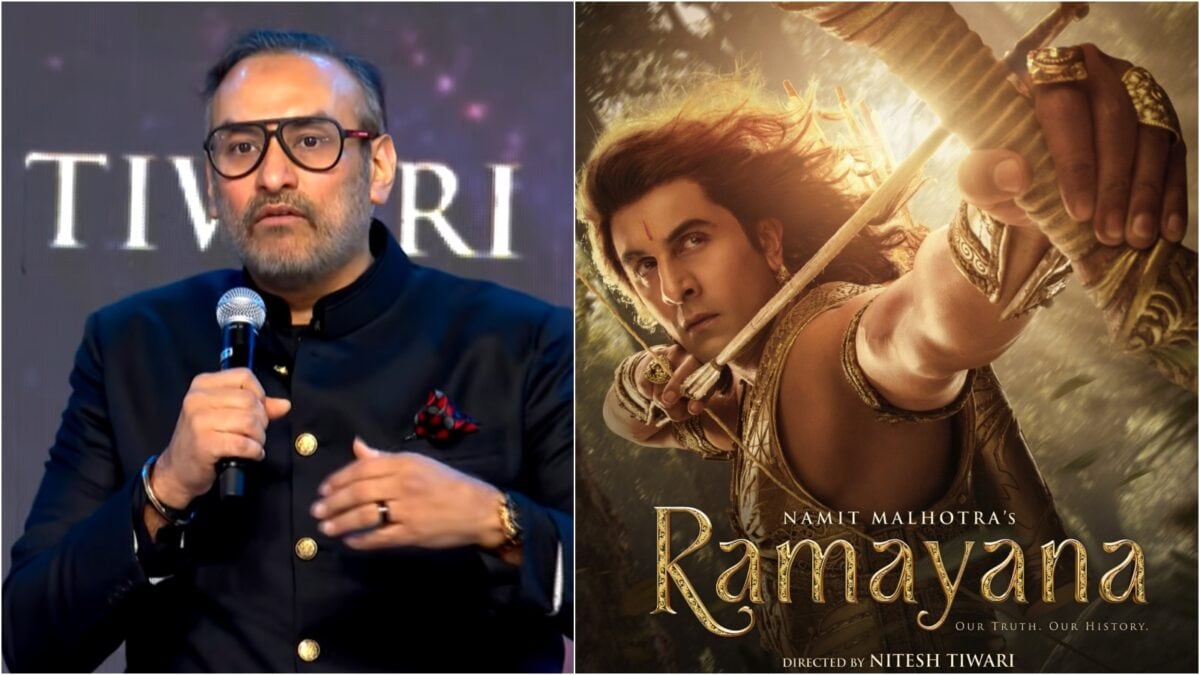
Producer and visual effects executive Namit Malhotra has disclosed plans to transform his adaptation of the ancient Indian epic *Ramayana* into an expansive multi-platform entertainment universe, encompassing cinematic spin-offs, animated feature films, episodic television series, interactive video games, and physical theme parks, according to reporting by Lubna Khan. The ambitious strategy expands the scope of the project well beyond the previously announced two-part theatrical feature film adaptation, aiming to establish one of the most comprehensive transmedia intellectual property ecosystems ever attempted by an Indian entertainment company.
Key facts
What happened
Namit Malhotra outlined a long-range corporate and creative strategy designed to convert the *Ramayana* narrative tradition into a multi-decade, cross-platform intellectual property ecosystem, according to reporting by Lubna Khan. Rather than treating the classical narrative solely as a self-contained cinematic event across two scheduled feature films, Malhotra's operational roadmap envisions an interconnected media network modeled after major global studio franchises.
Under this strategic design, the foundational narrative of the core films will serve as an anchor for distinct storytelling branches. Spin-off feature films will explore secondary and peripheral characters whose narrative arcs receive limited screen time in the primary installments. Alongside live-action cinema, dedicated animated productions will target younger demographics and international audiences, offering stylized interpretations of the classical text.
Simultaneously, the plan outlines episodic television and streaming series intended to provide serialized narrative depth, exploring regional traditions and philosophical discourses embedded within the epic. Beyond screen media, Malhotra signaled an entry into consumer software and physical entertainment infrastructure, targeting high-budget video game adaptations across personal computer and console platforms, as well as dedicated theme park environments designed to offer immersive physical experiences based on the epic's historical and mythological geography.
Why it matters
The strategic expansion outlined by Malhotra represents a structural departure from how Indian film studios have historically monetized high-budget mythological cinema. For decades, the Indian film industry—the world's largest by volume of feature films produced annually—has operated primarily on transactional box-office receipts, domestic satellite broadcast sales, and, more recently, upfront streaming rights sold to subscription video-on-demand platforms. Cross-sector franchise exploitation, spanning software development, interactive gaming, and location-based infrastructure, has remained largely underdeveloped across South Asian commercial entertainment.
In major Western studio ecosystems, such as those maintained by The Walt Disney Company, Warner Bros. Discovery, and Universal Pictures, theatrical exhibition often functions as a high-profile marketing vehicle that unlocks recurring revenue streams in consumer products, interactive gaming, and theme park admissions. For instance, global media franchises such as *Star Wars*, the Marvel Cinematic Universe, and *Harry Potter* derive a substantial share of their long-term enterprise valuation from physical experiences and digital interactive licenses rather than theatrical ticket sales alone.
By laying the groundwork for video games and physical theme parks alongside episodic television and animated spin-offs, Malhotra is attempting to institutionalize a corporate model that could redefine commercial media valuation in India. If executed successfully, the initiative could demonstrate that non-Western classical literature possesses the structural capacity to sustain an industrial-scale, multi-platform franchise, creating high-margin licensing pipelines that outlast individual theatrical release windows.
The background
Namit Malhotra is the founder of Prime Focus and the global chief executive officer of visual effects and creative technologies studio DNEG. Founded in Mumbai in 1997 as a small digital editing studio, Prime Focus expanded rapidly before merging with the British visual effects house Double Negative in 2014 to form DNEG. Over the subsequent decade, DNEG grew into one of the preeminent visual effects vendors in global cinema, earning multiple Academy Awards for Best Visual Effects for landmark technical productions including *Inception* (2010), *Interstellar* (2014), *Blade Runner 2049* (2017), *Tenet* (2020), and *Dune* (2021).
Leveraging this technical infrastructure, Malhotra established Prime Focus Studios to finance and produce high-concept global and Indian intellectual properties. The central jewel of this slate is a massive two-part live-action adaptation of the *Ramayana*, directed by Nitesh Tiwari. The project was initiated to create a technologically cutting-edge adaptation of the epic attributed to the ancient poet-sage Valmiki, depicting the life, exile, and righteous warfare of Prince Rama.
The *Ramayana* occupies a foundational position in South Asian cultural, religious, and literary life, having inspired hundreds of localized adaptations and retellings across India, Southeast Asia, and the global diaspora. The epic previously generated historical cultural milestones on screen, most notably Ramanand Sagar’s 78-episode television serial broadcast on India's state television network Doordarshan between 1987 and 1988, which brought public life in the country to a standstill on Sunday mornings.
However, modern cinematic attempts to bring the narrative to the big screen using computer-generated imagery have encountered severe commercial and artistic hurdles. Most recently, the 2023 big-budget production *Adipurush*, directed by Om Raut, drew widespread criticism from audiences and film critics over visual effects execution and character design choices, highlighting the heightened cultural scrutiny and technical precision required when adapting sacred classical texts for contemporary audiences.
Reaction
Following the disclosure of Malhotra's franchise blueprint, attention has focused on how creative communities, corporate investors, and visual effects practitioners will respond to an undertaking of this operational scale. While formal corporate press statements from partner studios and distribution platforms were not detailed in the initial report, entertainment industry analysts are monitoring how financial markets and institutional lenders assess the capital expenditure required for long-term investments in video game development and physical theme parks.
Within the Indian film trade, commentators and theater exhibitors are expected to weigh the ambitious franchise claims against the immediate performance imperative of the primary two-part film. Industry analysts frequently observe that transmedia franchise announcements can generate substantial speculative enthusiasm, but their ultimate realization hinges entirely on the critical and commercial reception of the inaugural anchor project. Furthermore, cultural commentators and literary scholars are anticipated to closely monitor how ancillary spin-offs and interactive gaming formats maintain reverence for the religious and philosophical sensibilities of the source material.
What we don't know yet
Key commercial and operational dimensions of Malhotra’s multi-platform strategy remain undisclosed in the reporting by Lubna Khan. First, the capital expenditure framework and institutional financing partners for capital-intensive verticals—specifically location-based theme parks and interactive video games—have not been detailed. Developing modern, high-tier video games for consoles and PC typically requires budgets ranging between $50 million and $150 million and development cycles spanning three to five years, while destination theme parks necessitate billions of dollars in infrastructure investment, massive land acquisition, and complex municipal zoning approvals.
Second, the specific production timelines, release windows, and designated creative leadership for the television series, animated films, and spin-off properties remain unannounced. It is not yet clear whether these secondary titles are being developed concurrently with the primary film production or whether their greenlight status depends on the box-office performance of the first theatrical release. Finally, the identity of international distribution partners, game development studios, and location-based entertainment operators remains unconfirmed.
What to watch
The viability of Malhotra's broader universe will be determined by several concrete, verifiable milestones in the coming months and years. The primary bellwether will be the official marketing rollout, visual effects showcases, and box-office premiere of the initial two-part *Ramayana* theatrical release. If the anchor films achieve critical acclaim and significant domestic and international box-office revenues, the financial justification for secondary spin-offs and serialized streaming shows will solidify rapidly.
In addition, observers should monitor commercial filings and corporate announcements from Prime Focus Studios regarding strategic joint ventures with established video game publishers, software development studios, or international theme park operating conglomerates. Official announcements regarding screenwriters, directors, and animation showrunners assigned to the ancillary projects will also signal whether pre-production is actively advancing. Finally, tracking regional real estate partnerships and infrastructure planning announcements will provide the earliest concrete verification of whether the proposed theme park attractions move beyond conceptual strategy into tangible development.
This account is based on original reporting published by entertainment journalist Lubna Khan.
How this story was produced
This report was written by The Global Wire newsroom from reporting first published by Lubna Khan. We verify the core facts against the original report, write our own account, and add the background and consequences a short wire item leaves out. Drafting is AI-assisted inside an editor-supervised pipeline, and every story is checked for accuracy of attribution, structure and duplication before it appears — full detail in our AI and funding disclosure.
Spotted an error? Tell us at corrections@horizonglobalnews.com and read our corrections policy or editorial standards.



Reader comments
Loading comments…