

Podiatry Health Risks: How Popular Summer Sandals Can Impact Foot Structure
A look into how minimalist flip-flops and trendy fisherman's sandals can cause long-term strain on feet and lower limbs during warm weather.
By The Global Wire Newsroom · Reported from Philippa Roxby
Link preview · horizonglobalnews.com
Podiatry Health Risks: How Popular Summer Sandals Can Impact Foot Structure
A look into how minimalist flip-flops and trendy fisherman's sandals can cause long-term strain on feet and lower limbs during warm weather.
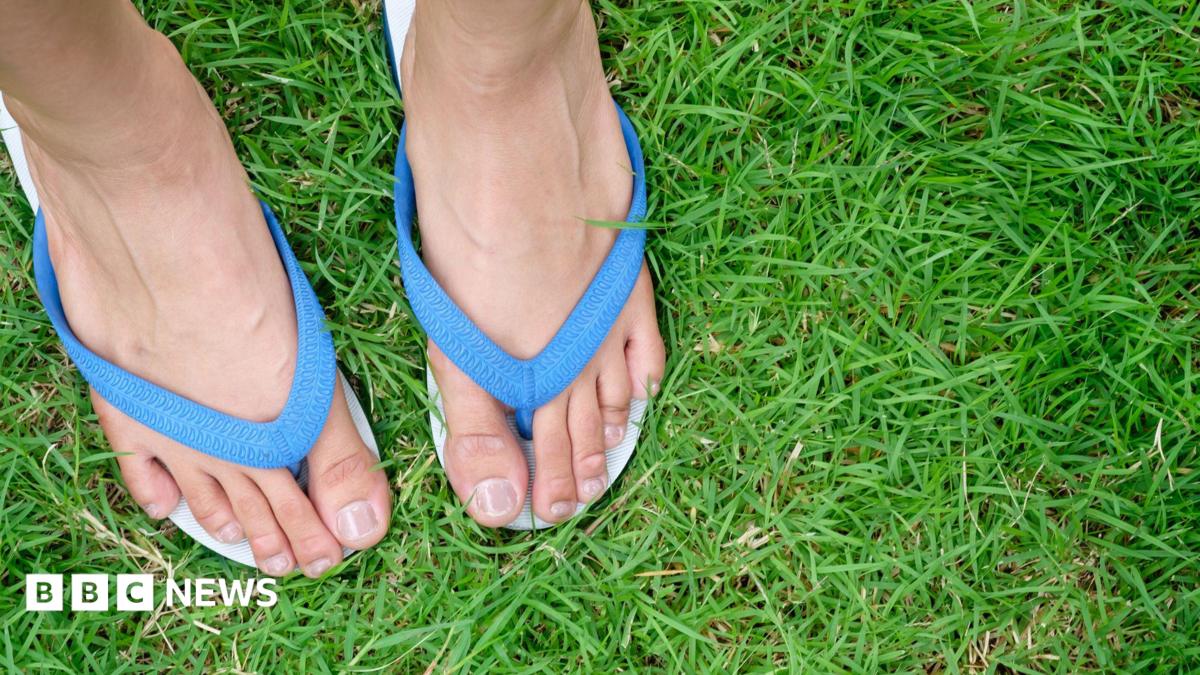
As warm weather prompts consumers to swap closed-toe footwear for open-air alternatives, health experts are highlighting the potential physical toll that common summer shoes can take on human anatomy. While open designs such as flip-flops and fisherman's sandals offer necessary ventilation and temperature regulation during hot months, certain structural flaws inherent to popular footwear styles can lead to short-term discomfort and long-term bio-mechanical injury, according to reporting by Philippa Roxby.
The trade-off between breathability and structural integrity remains a central challenge in seasonal shoe design. Podiatric principles dictate that the human foot requires adequate cushioning, arch support, and heel stabilization to distribute body weight evenly across joints during locomotion. When these structural features are lacking in summer footwear, the lower body compensates in ways that can strain muscles, tendons, and supporting ligaments.
The Mechanics of Summer Footwear
During normal walking gait, the foot undergoes a complex series of movements involving heel strike, mid-stance stabilization, and toe-off propulsion. Standard closed-toe shoes typically feature engineered midsoles, heel counters, and arch supports that facilitate this natural movement while absorbing environmental shock from hard surfaces.
In contrast, many summer sandals strip away these supportive components in favor of lightweight, open designs. Minimalist options often feature thin rubber or foam soles that offer little to no shock absorption against urban pavement. Without a rigid sole or a contoured footbed, the arch of the foot is left unsupported, forcing the plantar fascia—the thick band of tissue spanning the bottom of the foot—to absorb the full impact of each step.
Additionally, footwear that lacks a securing ankle or heel strap forces the wearer to alter their natural walking style. To keep a loose sandal attached to the foot, the toes must grip downward during the swing phase of walking, creating continuous tension in the digital flexor tendons and altering standard stride mechanics.
Comparing Sandals: Flip-Flops to Fisherman's Styles
Different styles of warm-weather footwear present distinct ergonomic profiles and risk factors. Flip-flops represent the most basic form of open footwear, consisting of a flat sole held to the foot by a Y-shaped strap passing between the first and second toes. While popular for their convenience and affordability, flip-flops offer minimal structural stability. The lack of a heel strap forces continuous muscular engagement, which can shorten stride length and increase impact forces on the heel.
Fisherman's sandals, characterized by a woven lattice of leather or synthetic straps enclosing the toes and instep, present a somewhat different dynamic. These shoes frequently feature an ankle strap, which secures the heel and eliminates the need for the toes to clench while walking. However, depending on the manufacturer, fisherman's sandals may still feature entirely flat insoles and flexible, unsupportive soles. While they offer improved upper stability and protection from exterior debris compared to flip-flops, flat-soled versions can still contribute to arch strain and heel pain if worn for extended walking periods.
Common Injuries and Bio-Mechanical Strain
Prolonged use of unsupportive summer footwear is frequently associated with specific podiatric conditions. Plantar fasciitis, characterized by sharp pain in the heel and arch, is among the most common ailments linked to flat sandals. The repetitive stress placed on an unsupported plantar fascia can lead to micro-tears and inflammation, particularly when transitioning suddenly from supportive winter footwear to flat summer shoes.
Other conditions associated with inadequate footwear support include Achilles tendonitis, shin splints, and stress fractures in the metatarsal bones. When the foot rolls inward excessively due to a lack of arch support—a movement known as overpronation—it alters the alignment of the ankles, knees, and hips. Over time, this misalignment can result in chronic joint strain extending into the lower back.
Furthermore, open-toed and loosely fitted sandals expose the skin to external friction and physical impact. Blisters, calluses, and stubbed toes are frequent immediate injuries, while thin-soled sandals provide minimal defense against sharp objects on the ground.
Evaluating Support and Structure
To mitigate the risk of injury while maintaining comfort in high temperatures, podiatric guidelines emphasize evaluating specific structural features before purchasing summer shoes. A healthy sandal should offer a contoured footbed that mirrors the natural curves of the human foot, including a subtle heel cup to stabilize the rearfoot and an elevated arch section.
Sole flexibility is another critical factor. Podiatrists recommend selecting sandals with soles that bend only at the ball of the foot—where the toes naturally flex during propulsion—rather than bending easily in the middle under the arch. A rigid midfoot section prevents excessive torsional twisting and provides a stable platform for weight distribution.
Adjustability also plays a significant role in foot stability. Sandals equipped with adjustable straps across the instep and around the heel allow the wearer to customize the fit, preventing movement within the shoe and reducing the kinetic friction that leads to skin irritation.
Balancing Style, Comfort, and Health
Health professionals do not necessarily advocate for the complete elimination of open-toed footwear, but rather for informed selection and moderate usage patterns. Ultra-flat flip-flops, for instance, are best reserved for short-distance environments such as public showers, swimming pools, or beaches, where their primary function is skin protection rather than structural support during extended walking.
For daily routines involving prolonged standing or walking, shifting toward sandals designed with built-in orthotic features or choosing secured styles like structured fisherman's sandals can substantially lower the risk of lower-limb strain. Rotating footwear throughout the week also allows different muscle groups to rest and reduces repetitive stress on specific areas of the foot.
As consumer awareness regarding foot health expands alongside fashion trends, footwear manufacturers have increasingly introduced hybrid designs that incorporate ergonomic insoles into traditional sandal silhouettes. Consumers seeking warm-weather footwear are advised to prioritize structural integrity alongside aesthetic preferences to protect long-term mobility.
This article incorporates reporting originally published by Philippa Roxby.
How this story was produced
This report was written by The Global Wire newsroom from reporting first published by Philippa Roxby. We verify the core facts against the original report, write our own account, and add the background and consequences a short wire item leaves out. Drafting is AI-assisted inside an editor-supervised pipeline, and every story is checked for accuracy of attribution, structure and duplication before it appears — full detail in our AI and funding disclosure.
Spotted an error? Tell us at corrections@horizonglobalnews.com and read our corrections policy or editorial standards.


Reader comments
Loading comments…