

Ontario Opposition Talent Pivots to Municipal Races as Doug Ford Maintains Dominance
Nate Erskine-Smith's move toward local politics illustrates a persistent trend of prospective provincial leaders stepping away from Queen's Park to pursue municipal office in Ontario.
By The Global Wire Newsroom · Reported from Scott Stinson
Link preview · horizonglobalnews.com
Ontario Opposition Talent Pivots to Municipal Races as Doug Ford Maintains Dominance
Nate Erskine-Smith's move toward local politics illustrates a persistent trend of prospective provincial leaders stepping away from Queen's Park to pursue municipal office in Ontario.
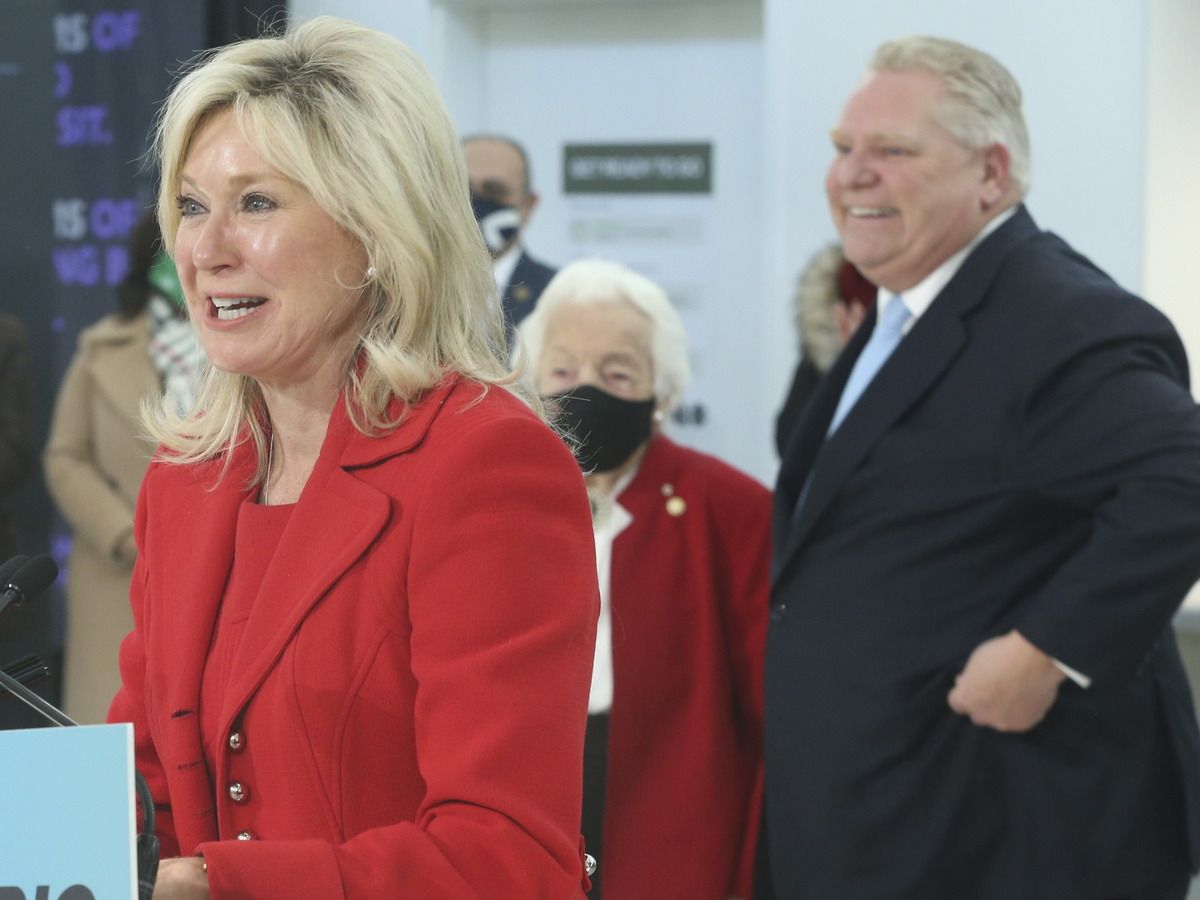
Nate Erskine-Smith, the former federal lawmaker who once sought to lead the Ontario Liberal Party and challenge Premier Doug Ford for the leadership of Canada’s most populous province, has redirected his political career toward municipal governance. The shift, highlighted in analysis by political columnist Scott Stinson, reflects a persistent and structural pattern in Ontario politics where prominent figures capable of leading provincial opposition movements ultimately opt for local political campaigns instead. By stepping off the provincial stage, Erskine-Smith leaves Premier Ford with one less well-known prospective challenger, reinforcing a political dynamic that has repeatedly seen city halls across Ontario attract seasoned political figures away from the high-stakes parliamentary environment at Queen’s Park.
Key facts
What happened
According to reporting and political commentary by Scott Stinson, Nate Erskine-Smith’s transition from provincial aspirant to municipal candidate marks the latest chapter in Ontario’s evolving political realignment. Erskine-Smith, who served as a Liberal Member of Parliament representing the Toronto riding of Beaches—East York starting in 2015, had built a reputation as an independent-minded lawmaker within federal circles. In 2023, he launched a high-profile bid for the leadership of the Ontario Liberal Party, positioning himself as a reform-minded progressive capable of rebuilding the party’s grassroots organizational strength following catastrophic electoral losses in the 2018 and 2022 provincial elections.
During his provincial leadership campaign, Erskine-Smith framed his candidacy as a direct challenge to the governing Progressive Conservatives under Premier Doug Ford. He argued that the provincial Liberals needed a clear ideological contrast and a fresh generation of leadership to rebuild their presence in the 124-seat Legislative Assembly of Ontario. However, after coming in second to former Mississauga Mayor Bonnie Crombie in the party’s ranked-ballot leadership election in December 2023, Erskine-Smith faced the strategic dilemma common to defeated leadership contenders: whether to fight for a provincial legislative seat in opposition or seek alternative avenues for political influence.
As Stinson observed, Erskine-Smith ultimately decided against a long-term campaign to challenge Ford from the provincial opposition benches, opting instead to enter the municipal political arena. This move removes a high-profile organizer and articulate critic from the immediate provincial landscape, continuing a trend where potential leaders of the provincial opposition choose local office over the grueling process of rebuilding party organizations against an entrenched incumbent government.
Why it matters
The movement of political figures like Nate Erskine-Smith from provincial ambition to local governance has deep implications for party competition, public policy, and institutional governance across Ontario. For opposition parties at Queen’s Park, particularly the Liberals and the New Democratic Party (NDP), the frequent departure of high-profile talent creates a persistent leadership vacuum. Rebuilding a political party that has lost official party status or opposition strength requires sustained commitment from recognizable figures who are willing to spend years in legislative opposition. When prospective leaders pivot to municipal politics, opposition parties lose crucial public profile, fundraising reach, and policy articulation required to challenge an incumbent government effectively.
For Premier Doug Ford and the governing Progressive Conservatives, this pattern provides a substantial political advantage. Ford’s administration has governed Ontario since 2018 with stable legislative majorities. A fragmented or continually resetting opposition reduces the immediate political pressure on government legislation, budgetary decisions, and major policy initiatives such as provincial infrastructure expansion, healthcare restructuring, and housing development. When prospective rivals seek municipal positions, the provincial government faces less cohesive parliamentary opposition and fewer nationally recognized challengers during general election cycles.
Conversely, Ontario’s municipalities often benefit from the influx of experienced political leaders who possess deep knowledge of federal and provincial policy mechanisms. Former lawmakers who enter municipal government bring established networks, media savvy, and legislative expertise to local city councils and mayoralty offices. However, this trend also highlights a structural reality: municipal offices, with their direct executive roles and non-partisan council formats, are increasingly viewed by ambitious politicians as more actionable platforms for governance than sitting in minority or second-tier opposition caucuses at Queen’s Park.
The background
The dynamics described by Stinson fit within a well-documented history of political cross-pollination across Ontario’s federal, provincial, and municipal tiers. Under Ontario’s provincial framework, general elections elect 124 Members of Provincial Parliament (MPPs) through a first-past-the-post electoral system. The political climate at Queen’s Park has historically demanded strict party discipline, with caucus members adhering closely to central leadership decisions.
Over the past decade, several of Ontario’s most prominent political leaders have migrated between provincial leadership contests and municipal administration:
Municipal elections in Ontario take place under the Municipal Act and the City of Toronto Act, operating on fixed four-year election cycles. Unlike federal and provincial elections, municipal campaigns do not feature registered political parties on the ballot. Candidates campaign independently, allowing high-profile individuals to build personalized campaign apparatuses without relying on provincial party infrastructure or enduring party nomination battles.
This institutional setup creates a compelling environment for prominent politicians. While serving as a backbench MPP or an opposition critic in a provincial parliament offers limited direct executive authority, municipal mayors and senior councillors manage substantial local operating budgets, direct public transit and housing policy, and oversee local infrastructure projects. Consequently, municipal office frequently presents an appealing career path for experienced politicians seeking direct legislative or administrative agency.
Reaction
The shift in political focus by high-profile opposition figures has drawn varied commentary from political strategists, municipal analysts, and party organizers across Ontario. Within provincial Liberal circles, Erskine-Smith’s pivot to local politics reflects the complex rebuilding process confronting party leader Bonnie Crombie as she attempts to unite various wings of the party prior to the next general election. Strategists note that while leadership contests naturally produce internal rivals who eventually seek other opportunities, losing dynamic campaign figures to municipal races reduces the pool of high-profile candidates available for provincial ridings.
Progressive Conservative strategists view the phenomenon as a reflection of Premier Doug Ford’s persistent political strength and the economic messaging of his government. With the PC party maintaining consistent polling leads and financial fundraising advantages over opposition parties, provincial opposition roles offer limited immediate prospects for governing power.
Municipal policy observers emphasize that the arrival of high-profile candidates elevates local election campaigns, bringing national media attention and robust debate to municipal issues. However, community activists occasionally express concern that municipal campaigns can become secondary political stages for provincial figures seeking political recalibration rather than dedicated local service.
What we don't know yet
Several key details regarding Erskine-Smith's political move and its long-term impact remain unconfirmed in public reporting:
What to watch
Looking ahead, several concrete factors will define the impact of this political realignment on Ontario's municipal and provincial landscapes:
This report is based on analysis and reporting originally published by columnist Scott Stinson regarding the political dynamics surrounding Premier Doug Ford and municipal political recruitment in Ontario.
How this story was produced
This report was written by The Global Wire newsroom from reporting first published by Scott Stinson. We verify the core facts against the original report, write our own account, and add the background and consequences a short wire item leaves out. Drafting is AI-assisted inside an editor-supervised pipeline, and every story is checked for accuracy of attribution, structure and duplication before it appears — full detail in our AI and funding disclosure.
Spotted an error? Tell us at corrections@horizonglobalnews.com and read our corrections policy or editorial standards.





Reader comments
Loading comments…