

Online Hygiene Discussions Highlight Gaps in Everyday Health Literacy
Internet users are sharing long-held personal care habits and candid missteps, illustrating how digital forums serve as informal platforms for health education.
By The Global Wire Newsroom · Reported from Megan Liscomb
Link preview · horizonglobalnews.com
Online Hygiene Discussions Highlight Gaps in Everyday Health Literacy
Internet users are sharing long-held personal care habits and candid missteps, illustrating how digital forums serve as informal platforms for health education.
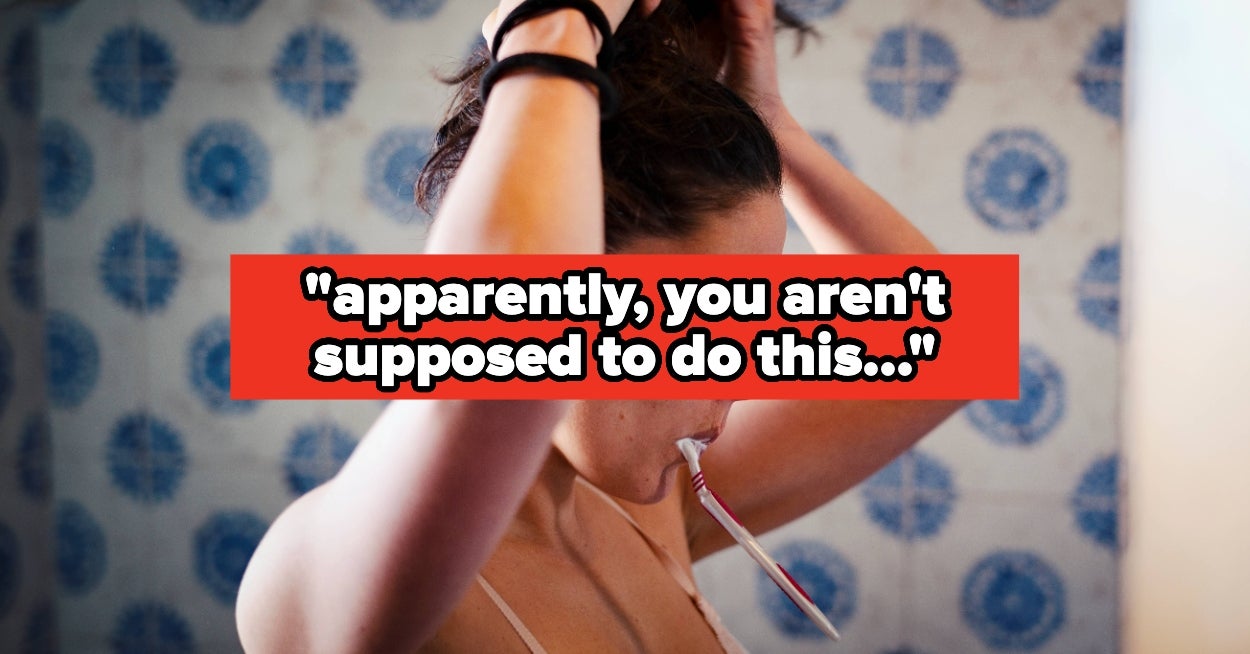
A recent online discussion highlights how personal hygiene practices and health habits are increasingly debated across digital platforms, as internet users share daily routines and admissions of habits they previously assumed were universal or standard. According to reporting by Megan Liscomb, individuals have publicly disclosed personal care habits they wish they had acquired earlier in life, reflecting a broader trend of online discourse surrounding domestic practices, wellness norms, and health literacy.
What happened
The online thread centered on personal care routines, with participants offering candid reflections on their daily hygiene regimens and personal care histories. According to reporting by Megan Liscomb, contributors shared experiences regarding personal hygiene habits they had adopted later in life, often expressing surprise at how long they had maintained previous practices under the assumption that those behaviors were conventional.
Participants in such digital forums frequently recount how familial upbringing, cultural norms, and a lack of standardized personal health education shape initial understanding of routine care. The prompt generated widespread user responses, with individuals acknowledging past misconceptions about proper grooming, sanitation, and physical maintenance. The exchanges underscored how personal health practices, often formed in early childhood within private households, remain largely unexamined until exposed to external perspectives or digital consensus.
Why it matters
Public discussions concerning personal hygiene highlight significant gaps in basic health education and informal knowledge transfer within families and communities. While formal education systems routinely cover standardized subjects such as physical education and biology, granular aspects of daily hygiene—ranging from dental care techniques to skin maintenance—are frequently left to private household instruction.
Health communicators and digital analysts note that online platforms have increasingly assumed the role of informal educational spaces. By providing a forum for individuals to compare personal experiences anonymously or semi-anonymously, digital networks lower the barrier for discussing potentially embarrassing or stigmatized personal topics. When users share admissions regarding personal habits, it can demystify standard practices for others who may lack access to comprehensive health information or personal guidance.
However, expert observers also emphasize that peer-led online exchanges carry distinct limitations. Personal routines shared on digital message boards do not always align with clinical recommendations or medical evidence. While crowdsourced discussions can foster community support and reduce individual shame around common missteps, reliance on public forums for health instruction underscores the variable nature of personal care guidance available to the general public.
Background
The evolution of digital lifestyle reporting and social media forums has transformed how everyday habits are discussed in the public sphere. Over the past decade, content centered on personal confessions, daily routines, and household organization has become a staple of online journalism and social media engagement. Early internet forums and modern social networks alike have provided spaces where users seek validation, advice, and comparison regarding mundane activities.
Sociological research into digital communication suggests that sharing personal admissions online serves both a social and psychological function. Disclosing long-held habits that differ from widely accepted standards allows participants to test social norms in a controlled environment. In many cases, users discover that practices they believed were unique or unusual are shared by broad segments of the population, or conversely, that habits they assumed were standard are actually uncommon.
Furthermore, changes in consumer media consumption have led publishers to rely heavily on user-generated content and community engagement to drive editorial coverage. Curated summaries of public threads allow media organizations to gauge broad public interest in specific lifestyle topics while reflecting prevailing social attitudes toward health, wellness, and domestic life.
Reaction
The public response to online discussions about daily routines reflects a mixture of mutual identification, humor, and constructive dialogue. According to reporting by Megan Liscomb, user contributions included candid acknowledgments of past misunderstandings, with participants expressing relief at discovering shared experiences among peers.
Commentators on digital communications observe that tone plays a critical role in how personal care subjects are received online. Thread entries that employ self-deprecating humor or vulnerability tend to encourage higher levels of participation and constructive feedback. Conversely, discussions surrounding physical cleanliness can occasionally trigger judgment or debate when individual standards conflict.
Public health advocates suggest that non-judgmental discussions regarding everyday habits can have positive practical outcomes. When individuals feel comfortable acknowledging gaps in knowledge without facing social stigma, they are more likely to seek out accurate information from reputable medical sources or adopt improved practices recommended by healthcare professionals.
What comes next
As digital platforms continue to serve as primary venues for peer interaction, lifestyle coverage focused on personal care practices is expected to remain a prominent feature of digital media. Media outlets regularly monitor community message boards and social networks to identify emerging trends in public health awareness, consumer behavior, and daily routines.
Educational institutions and public health agencies are also increasingly observing how digital discourse influences public understanding of health and wellness. While formal health curricula remain the primary foundation for structured hygiene instruction, public health experts acknowledge the growing necessity of engaging with public audiences through digital channels where informal learning actively occurs.
Future developments in online lifestyle reporting are likely to feature greater integration of clinical guidance alongside user contributions. By pairing personal reflections with expert medical context, digital media can address widespread misunderstandings while promoting evidence-based personal care practices across diverse demographics.
This article is based on reporting by Megan Liscomb.
How this story was produced
This report was written by The Global Wire newsroom from reporting first published by Megan Liscomb. We verify the core facts against the original report, write our own account, and add the background and consequences a short wire item leaves out. Drafting is AI-assisted inside an editor-supervised pipeline, and every story is checked for accuracy of attribution, structure and duplication before it appears — full detail in our AI and funding disclosure.
Spotted an error? Tell us at corrections@horizonglobalnews.com and read our corrections policy or editorial standards.


Reader comments
Loading comments…