

New Venue Highlights Growing Demand for Vietnamese Coffee and Casual Dining
Reporting highlights a tranquil spot combining traditional Vietnamese filter coffee with casual food options amid shifting Australian cafe trends.
By The Global Wire Newsroom · Reported from smh.com.au
Link preview · horizonglobalnews.com
New Venue Highlights Growing Demand for Vietnamese Coffee and Casual Dining
Reporting highlights a tranquil spot combining traditional Vietnamese filter coffee with casual food options amid shifting Australian cafe trends.
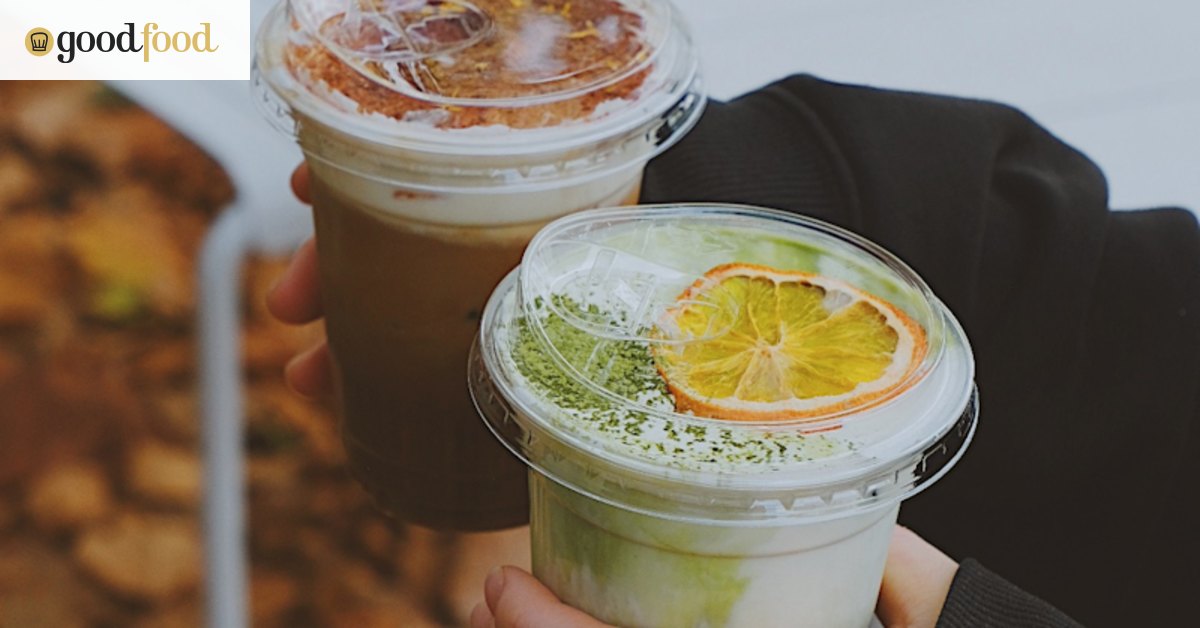
The Australian hospitality sector continues to reflect a growing consumer preference for specialized, regional beverage preparations alongside streamlined food menus. A recent report by The Sydney Morning Herald highlighted Phined Coffee, a local establishment offering a tranquil environment focused on traditional Vietnamese coffee preparations and casual sandwiches, colloquially known in Australia as sangas.
The venue represents a broader trend within urban food and beverage markets, where operators combine minimal, peaceful interior design with focused menu items that highlight international culinary traditions. As metropolitan diners seek specialized daily offerings, venues built around single-origin brewing techniques and accessible food options have secured an established presence in city commerce.
What happened
According to reporting by The Sydney Morning Herald, Phined Coffee has established itself as a calming venue centered on Vietnamese coffee culture and casual sandwich service. The operation emphasizes a restrained menu format, pairing specialized coffee options with casual meal preparations designed for quick-service or sit-down dining.
The establishment's focus on Vietnamese coffee highlighted by the publication points to a distinct operational model centered on traditional drip filtration systems. By focusing on a tranquil physical environment alongside accessible, portable food items, the venue aims to provide a low-stress dining experience tailored to local office workers, residents, and visitors seeking alternatives to high-volume corporate coffee chains.
Traditional brewing methods in modern spaces
The central feature of traditional Vietnamese coffee preparation is the phin, a small metal drip filter placed directly over a cup or glass. Unlike high-pressure commercial espresso machines that extrude coffee within seconds, the phin system relies on gravity and slow percolation, allowing coarsely ground beans to steep slowly through a perforated plate.
Traditionally made using Robusta coffee beans, which offer a stronger, darker, and more bitter profile than Arabica varieties, Vietnamese drip coffee is frequently paired with sweetened condensed milk to balance the intensity of the brew. Served either hot or over ice as cà phê sữa đá, the beverage has maintained long-standing cultural roots in Vietnam and across diaspora communities worldwide.
The inclusion of traditional phin brewing within contemporary urban cafes reflects a shift toward deliberate, slow-extraction methods. While Australian cafe culture has long been dominated by espresso-based drinks such as flat whites and long blacks, specialty venues are increasingly incorporating gravity-drip methods to diversify beverage portfolios and cater to evolving consumer preferences.
The evolution of Australian sandwich culture
The sandwich, long an established staple of the Australian quick-service lunch trade, has undergone significant repositioning within the nation's food service industry. Known informally in Australian vernacular as the sanga, the humble sandwich has shifted from a basic convenience item into a central culinary focal point for independent cafes and specialty delicatessens.
Across major Australian metropolitan centers, food operators have refined sandwich offerings by incorporating artisanal breads, specialized marinades, cured meats, and regional pickled vegetables. The fusion of Western sandwich formats with Southeast Asian flavors, most visibly demonstrated by the enduring popularity of the Vietnamese bánh mì, has created a robust market for hybrid casual dining concepts.
Industry analysts note that streamlined food menus centered on high-quality sandwiches allow small hospitality businesses to manage ingredient overhead and reduce kitchen labor requirements. By maintaining a concise food selection, venues can sustain operational efficiency while meeting consumer demand for high-quality lunch options.
Atmosphere and the demand for tranquil hospitality
The description of Phined Coffee as a calming spot underscores an increasing emphasis on environmental design within the hospitality sector. As urban retail corridors become more saturated and fast-paced, cafe operators are utilizing specific spatial design principles to offer patrons a distinct sensory break from public environments.
Modern cafe interiors increasingly feature acoustic dampening, neutral color palettes, minimalist timber joinery, and uncluttered layouts designed to lower noise levels and reduce visual clutter. Hospitality experts indicate that atmospheric tranquility has become an important competitive factor, particularly for establishments catering to patrons seeking brief periods of relaxation, remote working options, or quiet informal meetings during the workday.
The integration of calming spatial design with slow-brew coffee preparation aligns with consumer interest in mindful consumption, where the experience of waiting for a drip-filtered beverage complements a low-stimulation interior setting.
Broader market trends in Southeast Asian offerings
The growth of dedicated Vietnamese coffee spots forms part of a larger trend across Australia's metropolitan food landscape. Southeast Asian food and beverage concepts have expanded beyond traditional dining precincts into suburban high streets, central business districts, and commercial developments.
Historically, Vietnamese iced coffee was primarily available within established Vietnamese-Australian commercial hubs. However, broader exposure to international travel, paired with demographic shifts and digital food media, has expanded consumer familiarity with specialized Asian beverage categories. Beyond sweetened condensed milk preparations, contemporary menus in major cities now frequently feature regional variations such as egg coffee, coconut iced coffee, and salted cream coffee.
This trend coincides with a wider re-evaluation of Robusta coffee beans within the specialty coffee industry. Long viewed as secondary to Arabica varieties, high-grade Robusta beans are increasingly valued for their rich body, high caffeine content, and compatibility with milk-based and sweetened coffee drinks.
What comes next
Independent cafe operators face ongoing macroeconomic challenges, including rising input costs for dairy and coffee beans, increased commercial rents, and tightening discretionary consumer spending. Despite these headwinds, specialized micro-concepts featuring limited menus and targeted cultural offerings continue to demonstrate resilience.
Venues that combine distinct regional beverage traditions with straightforward food offerings, such as Vietnamese coffee and casual sandwiches, allow operators to maintain focused inventory while providing a differentiated market presence. As dining preferences continue to evolve, the integration of traditional brewing techniques within accessible neighborhood spaces remains a notable feature of Australia's urban hospitality ecosystem.
This report includes information originally reported by The Sydney Morning Herald.
How this story was produced
This report was written by The Global Wire newsroom from reporting first published by smh.com.au. We verify the core facts against the original report, write our own account, and add the background and consequences a short wire item leaves out. Drafting is AI-assisted inside an editor-supervised pipeline, and every story is checked for accuracy of attribution, structure and duplication before it appears — full detail in our AI and funding disclosure.
Spotted an error? Tell us at corrections@horizonglobalnews.com and read our corrections policy or editorial standards.



Reader comments
Loading comments…