

Nana Patekar Passes Away at 75: Veteran Actor Suffers Fatal Cardiac Arrest in Goa
Renowned Indian actor and humanitarian Nana Patekar has died at his Goa home following a cardiac arrest on October 8, leaving a legacy in cinema and rural relief work.
By The Global Wire Newsroom · Reported from Shachi Chaturvedi
Link preview · horizonglobalnews.com
Nana Patekar Passes Away at 75: Veteran Actor Suffers Fatal Cardiac Arrest in Goa
Renowned Indian actor and humanitarian Nana Patekar has died at his Goa home following a cardiac arrest on October 8, leaving a legacy in cinema and rural relief work.
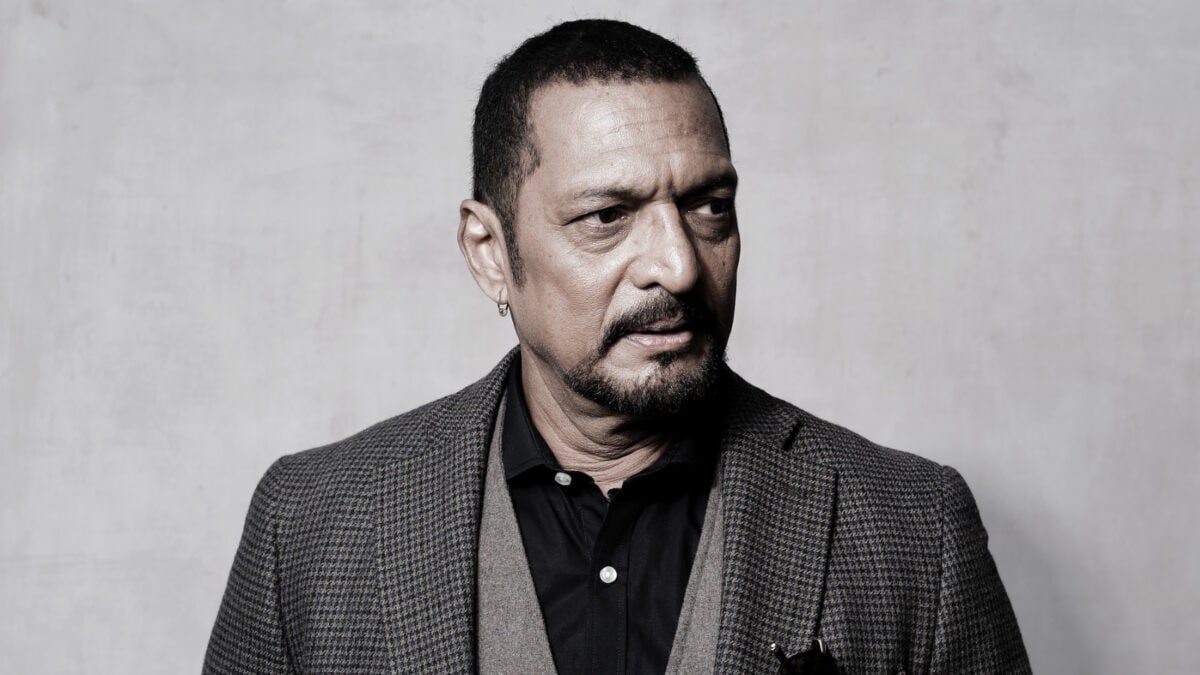
Veteran Indian actor Nana Patekar passed away on October 8 after suffering a cardiac arrest at his residence in Goa, according to reporting by journalist Shachi Chaturvedi. The acclaimed 75-year-old performer, whose career spanned more than four decades across Hindi and Marathi cinema, experienced a sudden medical emergency during the early morning hours. Doctors attending to the actor disclosed that the incident unfolded shortly after Patekar sent a text message to a friend at approximately 2:30 AM. Emergency medical procedures were initiated at his coastal home, but clinicians were unable to revive him. His passing marks the end of a distinguished career defined by critically acclaimed dramatic roles, three National Film Awards, and extensive humanitarian work supporting rural communities across western India.
Key facts
What happened
The circumstances surrounding the final hours of Nana Patekar's life center on a medical emergency that occurred in the early morning hours of October 8 at his residence in Goa. According to reporting by Shachi Chaturvedi, Patekar was at his private home when he communicated with a friend via text message at approximately 2:30 AM.
Shortly after sending the message, Patekar suffered an acute cardiac arrest. Medical professionals and his attending physician were summoned to the scene to render emergency care and evaluate his condition. The physician subsequently shared details regarding the timeline of events at the residence, confirming that the cardiac event occurred suddenly and proved fatal despite immediate intervention efforts.
The report by Shachi Chaturvedi established that medical teams at the scene attempted to stabilize Patekar, but the severe cardiac collapse left him unresponsive. Official confirmation of his death followed the emergency medical evaluation at his Goa property, bringing an abrupt end to the life of one of Indian cinema's most recognizable figures.
Why it matters
The sudden death of Nana Patekar carries profound implications for both the Indian film industry and the country's social advocacy landscape. As an actor, Patekar occupied a rare position in Indian culture, successfully bridging the divide between high-concept art cinema and mass-market commercial entertainment. His unique performance style—characterized by sharp dialogue delivery, intense facial expressions, and uncompromising realism—redefined dramatic acting standards in Hindi and Marathi cinema during the 1980s, 1990s, and 2000s. His departure deprives the film community of one of its most versatile veteran performers and leaves a noticeable void in the contemporary Marathi creative ecosystem, where he remained an active producer and mentor.
Beyond the screen, Patekar's death directly affects the philanthropic and rural development sectors in western India. Through the establishment of the Naam Foundation in 2015, Patekar transformed his public profile into a major force for agrarian relief. The organization has channeled significant capital into water conservation, river desilting, village infrastructure, and direct monetary grants to thousands of families of farmers who died by suicide due to severe crop failures and debt in Maharashtra. Because the foundation relied heavily on Patekar’s personal authority and public advocacy to drive national fundraising drives, his absence poses immediate operational and leadership challenges for the organization’s ongoing projects.
From a public health perspective, Patekar's sudden death from cardiac arrest also re-emphasizes growing concerns among medical professionals regarding cardiovascular mortality among older demographics, highlighting the critical importance of rapid emergency medical interventions.
The background
To understand Nana Patekar's standing in Indian society, it is necessary to examine his origins, artistic milestones, and extensive civic engagement. Born Vishwanath Patekar on January 1, 1951, in the coastal town of Murud-Janjira in Maharashtra's Raigad district, he studied commercial art at the Sir J.J. Institute of Applied Art in Mumbai. Before breaking into feature films, Patekar honed his craft in Marathi street theater and stage productions, developing a disciplined acting technique that became his trademark.
Patekar made his film debut in the late 1970s, but his major breakthrough arrived with director Vidhu Vinod Chopra’s 1989 crime drama Parinda. His portrayal of Anna Seth earned him the National Film Award for Best Supporting Actor and established him as a premier dramatic talent. He consolidated his national prominence with Krantiveer (1994), in which his portrayal of a man fighting societal corruption earned him the National Film Award for Best Actor and the Filmfare Award for Best Actor. He achieved a rare distinction by winning National Film Awards in three separate categories: Best Supporting Actor for Parinda, Best Actor for Krantiveer, and Best Supporting Actor for Agni Sakshi (1996).
Throughout the 2000s and 2010s, Patekar demonstrated immense range, starring in intense thrillers such as Ab Tak Chhappan (2004), mainstream comedies like Welcome (2007), and complex dramas. In 2016, his performance in the Marathi feature Natsamrat, directed by Mahesh Manjrekar and adapted from Kusumagraj's celebrated play, earned unanimous acclaim. His depiction of Appasaheb Belwalkar, a retired stage actor confronting family betrayal, was widely hailed as one of the finest acting achievements in modern Indian cinematic history. In recognition of his contributions to the arts, the Government of India conferred upon him the Padma Shri in 2013.
Parallel to his artistic career, Patekar maintained a commitment to social causes. In September 2015, following severe droughts in Maharashtra’s Vidarbha and Marathwada regions, Patekar joined actor Makarand Anaspure to found the Naam Foundation. Operating as a registered charitable trust, the foundation raised hundreds of millions of rupees from citizens and corporate donors. Under Patekar's guidance, the trust deepened dried riverbeds, constructed check dams, distributed financial assistance to thousands of affected families, and assisted villages in implementing sustainable water management techniques.
Reaction
News of Nana Patekar's passing is expected to generate widespread tributes across India’s political, cultural, and civic leadership. Representatives from the Hindi and Marathi film industries, including veteran directors, co-stars, and professional guilds such as the Cine and TV Artistes' Association (CINTAA), are anticipated to release official statements honoring his artistic legacy and professional contributions.
Political figures across Maharashtra, Goa, and the central government in New Delhi are also expected to issue formal condolences. Recipients of the Padma Shri and National Film Awards traditionally receive state protocol acknowledgments, and state governments in Maharashtra and Goa often coordinate official honors or public memorial services for prominent cultural icons. Furthermore, agricultural rights activists, rural development non-governmental organizations, and beneficiaries of the Naam Foundation across Maharashtra are expected to assemble public gatherings to commemorate his dedicated service to farming communities.
Official statements from the governing board of the Naam Foundation and Patekar's family are expected to follow, providing details on how his philanthropic commitments will be sustained.
What we don't know yet
Despite the details provided regarding the initial timeline of events, several critical aspects of Nana Patekar's final hours and subsequent arrangements remain unconfirmed. While reporting confirms that Patekar sent a text message to a friend at 2:30 AM before experiencing a cardiac arrest, the content of that communication has not been publicly disclosed. It remains unknown whether the message indicated physical discomfort or routine correspondence unrelated to his health.
Additionally, the exact duration between the onset of cardiac arrest, the arrival of emergency medical teams at his Goa residence, and the formal pronouncement of death has not been detailed in available accounts. It is also unclear whether Patekar had a documented history of cardiovascular disease or prior medical conditions under active treatment by his physician. Finally, formal arrangements regarding public viewings, state honors, and the location of his final rites—whether in Goa, Mumbai, or Maharashtra—have yet to be announced by his family or official representatives.
What to watch
In the days ahead, several key milestones will clarify the formal proceedings and organizational shifts resulting from Patekar's death. Observers will watch for official family announcements detailing the schedule for funeral services and public memorial gatherings, as well as whether state honors will be conferred by state authorities in Goa or Maharashtra.
Attention will also turn to the administration of the Naam Foundation. The foundation's board of trustees is expected to convene to address executive leadership continuity, ensure the uninterrupted execution of ongoing rural water conservation projects, and outline how charitable funds will be managed moving forward.
Within the cultural sector, major film bodies, regional theater guilds, and broadcasting networks are expected to schedule tribute events, retrospective screenings, and special broadcasts dedicated to Patekar's historic filmography. Cultural institutions in Maharashtra may also announce permanent memorials or educational funds in his honor to preserve his impact on Indian performing arts and public service.
This report is based on coverage provided by journalist Shachi Chaturvedi.
How this story was produced
This report was written by The Global Wire newsroom from reporting first published by Shachi Chaturvedi. We verify the core facts against the original report, write our own account, and add the background and consequences a short wire item leaves out. Drafting is AI-assisted inside an editor-supervised pipeline, and every story is checked for accuracy of attribution, structure and duplication before it appears — full detail in our AI and funding disclosure.
Spotted an error? Tell us at corrections@horizonglobalnews.com and read our corrections policy or editorial standards.




Reader comments
Loading comments…