

United Airlines Tokyo-Denver Flight Diverts to Seattle After Passenger Medical Emergency
A transpacific United Airlines flight landed unexpectedly in Seattle on Tuesday after a male passenger exhibited severe medical distress, according to reporting by TMZ.
By The Global Wire Newsroom · Reported from TMZ Staff
Link preview · horizonglobalnews.com
United Airlines Tokyo-Denver Flight Diverts to Seattle After Passenger Medical Emergency
A transpacific United Airlines flight landed unexpectedly in Seattle on Tuesday after a male passenger exhibited severe medical distress, according to reporting by TMZ.
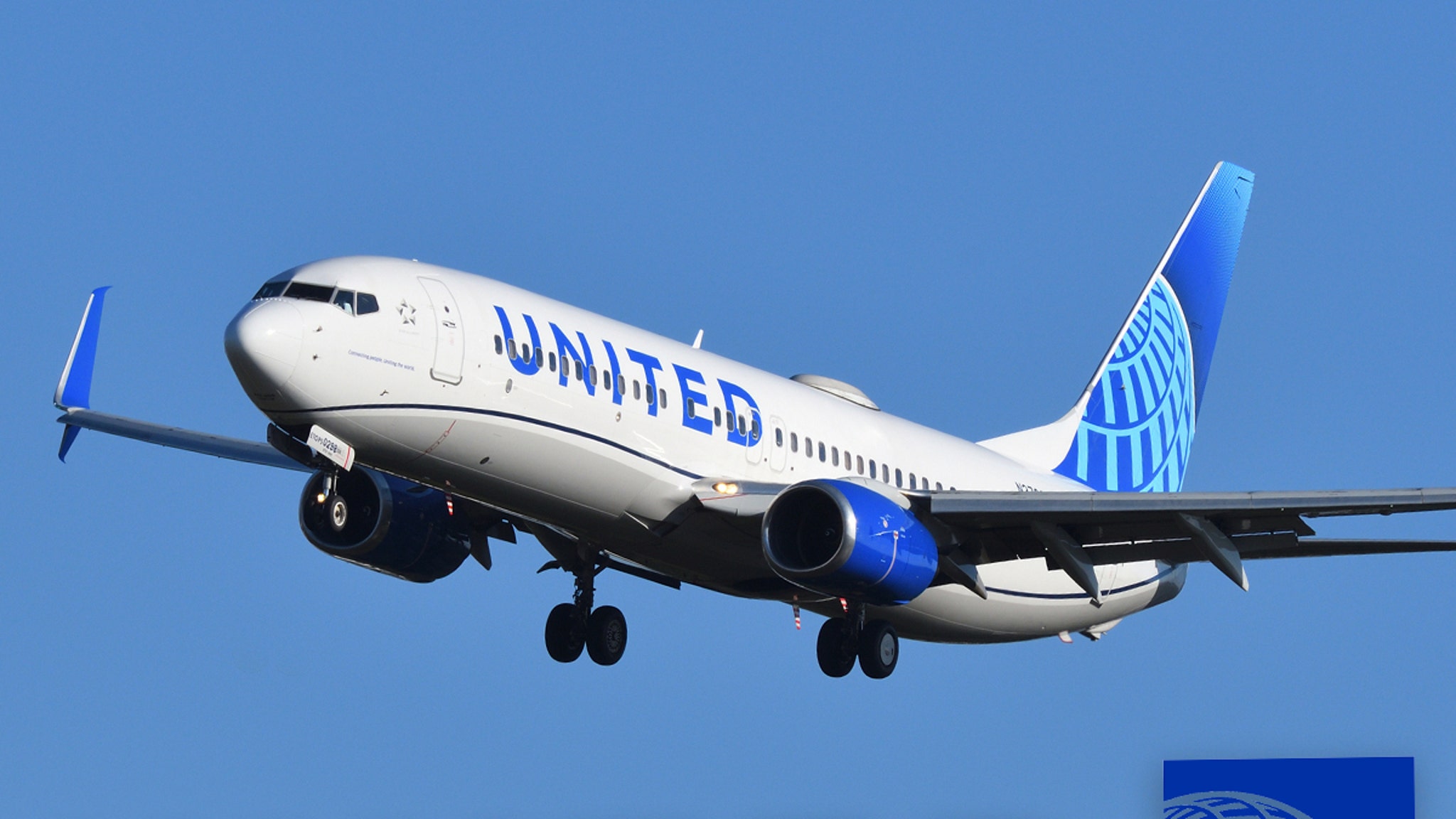
A United Airlines transpacific flight traveling from Tokyo to Denver made an unscheduled emergency landing in Seattle on Tuesday after a male passenger suffered a severe in-flight medical emergency, according to reporting by TMZ. Witnesses onboard and aviation officials reported that the passenger experienced sudden and dramatic physical distress, turning a deep shade of purple during the long-haul journey across the Pacific Ocean. Flight crew members initiated emergency procedures and coordinated with air traffic control to divert the aircraft to Seattle-Tacoma International Airport, where ground medical teams met the plane upon landing.
Key facts
What happened
According to reporting by TMZ, the medical crisis occurred aboard a United Airlines long-haul flight operating between Tokyo and Denver on Tuesday. While the aircraft was traversing the North Pacific route, cabin crew members were alerted to a male passenger exhibiting signs of severe physiological distress. Witnesses on board noted that the passenger's skin color changed dramatically to a deep purple hue, a visible manifestation typically associated with acute oxygen deprivation, severe respiratory impairment, or sudden cardiovascular failure.
Upon identifying the severity of the passenger's condition, the cabin crew activated standard operating protocols for critical in-flight medical emergencies. Flight attendants provided initial assistance using onboard emergency supplies and notified the flight deck. The pilots immediately established contact with specialized ground-based medical advisory services to evaluate the medical risk and determine the appropriate course of action.
Given the acute nature of the medical emergency and the aircraft's position along the transpacific flight corridor, the flight crew determined that continuing to the scheduled destination of Denver International Airport posed an unacceptable risk to the passenger's survival. The pilots declared a medical emergency with air traffic control authorities and requested priority clearance to divert to Seattle. The aircraft descended and executed an emergency landing at Seattle-Tacoma International Airport, where local fire department personnel and emergency medical technicians were waiting on the tarmac to render advanced medical treatment and transport the patient to a regional hospital facility.
Why it matters
In-flight medical emergencies represent one of the most operationally complex events in commercial aviation, requiring flight crews to make immediate high-stakes decisions under challenging physical constraints. When a severe physiological event occurs over ocean airspace, pilots and medical advisors must weigh the elapsed time required to reach land against the risk of delaying advanced clinical care. An unscheduled diversion to an alternate airport such as Seattle involves intricate operational maneuvering, including dumping or burning excess aviation fuel to reach safe maximum structural landing weight, securing emergency priority in crowded airspace corridors, and arranging urgent ground transport.
For passengers, airlines, and regulatory bodies, such incidents underscore the critical role of robust cabin safety protocols, crew medical training, and standardized emergency equipment. Long-haul transoceanic flights between East Asia and North America frequently operate several hours away from suitable diversion airports. Selecting Seattle as an emergency landing site provides rapid access to major tertiary medical centers for flights entering West Coast airspace before heading inland toward high-altitude interior hubs like Denver. Beyond the immediate health risk to the individual, unexpected diversions carry major operational ripple effects for air carriers, including compounding crew duty-time limitations, missed passenger connections, delayed aircraft turnarounds, and substantial unscheduled operational expenses that routinely reach tens of thousands of dollars per incident.
The background
Commercial airline travel subjects the human body to unique environmental conditions. Commercial jetliner cabins are pressurized to an equivalent altitude of between 6,000 and 8,000 feet above sea level, resulting in a lower partial pressure of oxygen than at sea level. While healthy passengers adapt easily to this reduced barometric pressure, individuals with underlying cardiovascular, respiratory, or hematologic conditions can experience exacerbations of their symptoms. The physical reaction described by witnesses—where a passenger's skin turns a deep purple or blue—is medically identified as cyanosis, a condition caused by a high concentration of deoxygenated hemoglobin in the blood, indicating critical hypoxia or circulatory failure.
Under Title 14 of the Code of Federal Regulations (14 CFR) Part 121, the Federal Aviation Administration (FAA) mandates that all U.S. commercial air carriers operating passenger flights carry standardized Emergency Medical Kits (EMKs), emergency oxygen supplies, and Automated External Defibrillators (AEDs). Following major regulatory updates initiated in 1994, federal rules require EMKs to contain advanced airway management tools, injectable epinephrine, antihistamines, atropine, and resuscitation equipment. Additionally, commercial flight attendants undergo mandatory recurring training covering cardiopulmonary resuscitation (CPR), AED deployment, basic first aid, and the recognition of altitude-induced physiological distress.
To aid flight crews in assessing in-flight emergencies, major commercial airlines maintain contracts with 24-hour ground-based telemedicine consultation services, such as MedAire's MedLink or UPMC's STAT-MD. These global command centers link pilots and flight attendants directly with emergency medicine physicians via satellite communications or high-frequency radio. Ground physicians evaluate reported vital signs, assess symptoms described by crew members or volunteer onboard medical professionals, and render binding recommendations on whether an immediate flight diversion is clinically mandatory or if the patient can be safely stabilized until reaching the planned destination.
The direct route between Tokyo Narita or Haneda airports and Denver International Airport spans approximately 5,788 miles across the North Pacific. Flight paths along this route rely on strategic diversion airports situated in Alaska, British Columbia, and the U.S. Pacific Northwest. Seattle-Tacoma International Airport serves as a primary West Coast entry diversion point due to its long runway capabilities, 24-hour emergency operational readiness, and immediate proximity to level-one trauma centers in the Seattle metropolitan area.
Reaction
Following the diversion, United Airlines flight operations and Seattle airport emergency services coordinated to ensure the prompt medical transfer of the passenger to local health authorities. In official statements regarding medical diversions, air carriers consistently emphasize that passenger safety and wellbeing take precedence over operational schedules, noting that flight crews act with maximum urgency whenever life-threatening symptoms are reported.
Aviation safety experts and organizations such as the Aerospace Medical Association (AsMA) frequently highlight the vital contribution of qualified medical volunteers—such as physicians, nurses, or emergency medical technicians traveling as passengers—who assist flight attendants during inflight health crises. Industry analysts note that clear coordination between cabin personnel, ground medical advisory doctors, and air traffic controllers remains the essential factor in successfully managing complex transoceanic medical emergencies.
What we don't know yet
While reporting by TMZ confirmed the emergency landing in Seattle prompted by the passenger's severe physical distress, several details regarding the incident remain unconfirmed:
What to watch
In the days following this transpacific emergency diversion, several specific indicators will clarify the resolution of the incident:
This news report is based on original coverage provided by TMZ.
How this story was produced
This report was written by The Global Wire newsroom from reporting first published by TMZ Staff. We verify the core facts against the original report, write our own account, and add the background and consequences a short wire item leaves out. Drafting is AI-assisted inside an editor-supervised pipeline, and every story is checked for accuracy of attribution, structure and duplication before it appears — full detail in our AI and funding disclosure.
Spotted an error? Tell us at corrections@horizonglobalnews.com and read our corrections policy or editorial standards.






Reader comments
Loading comments…