

Moroccan Authorities Confirm 11 Deaths in Recent Attempt to Reach Spanish Enclave of Ceuta
Morocco’s interior ministry has released its first official death toll following a fatal attempt by migrants to cross into Spain’s North African territory last week.
By The Global Wire Newsroom · Reported from Malay Mail
Link preview · horizonglobalnews.com
Moroccan Authorities Confirm 11 Deaths in Recent Attempt to Reach Spanish Enclave of Ceuta
Morocco’s interior ministry has released its first official death toll following a fatal attempt by migrants to cross into Spain’s North African territory last week.
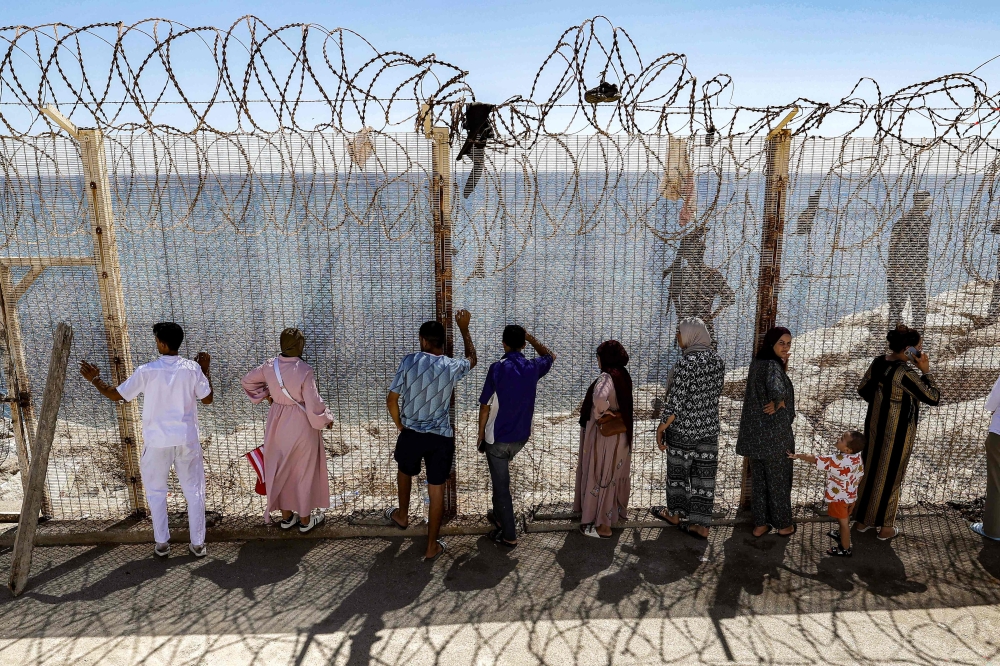
RABAT — Eleven people died last week while attempting to reach Ceuta, a Spanish enclave situated on the North African coastline, according to an official announcement from Morocco’s interior ministry. The casualty figure, released in Rabat, marks the first official assessment issued by Moroccan authorities regarding the recent crossing attempt, as reported by the Malay Mail. The incident highlights the persistent hazards associated with irregular migration routes connecting North Africa to European territories across the Mediterranean region.
The casualty report
The interior ministry of Morocco published the official figure after reviewing reports from regional security forces and emergency personnel operating near the perimeter of Ceuta. According to reporting by the Malay Mail, the casualty count stands at 11 fatalities, representing the first formal accounting provided by Moroccan government officials regarding the outcome of last week's attempt to enter the enclave.
While the ministry's public notice confirmed the death toll, official statements from regional authorities in Rabat reflected ongoing administrative procedures to manage the aftermath along the border zone. Migrant attempts to reach the enclave frequently involve severe physical hazards, including turbulent coastal waters, high perimeter fencing, and intensive border surveillance. The ministry's release served as the initial official confirmation of loss of life stemming from the border movement recorded late last week.
Geography of the North African border
Ceuta, along with its sister city Melilla located further east along the coast, holds a unique geopolitical position as one of only two European Union land borders situated directly on the African continent. Nestled on a rocky peninsula bordering northern Morocco, the enclave is separated from Moroccan territory by a heavily fortified perimeter consisting of double-layered fencing, electronic sensor arrays, elevated watchtowers, and continuous physical patrols maintained by both Moroccan auxiliary forces and Spanish border units.
Because the land border is heavily guarded with high-security barriers, individuals seeking entry often attempt alternative routes around the physical obstacles. These pathways frequently include swimming around the outer breakwaters that extend into the Mediterranean Sea or attempting to navigate small crafts through coastal currents. The proximity of the Moroccan coastline to the enclave creates a narrow geographic corridor, but unpredictable weather conditions, strong rip currents, and sharp coastal rocks present significant physical dangers to individuals trying to bypass maritime and land security checkpoints.
Border security and enforcement mechanisms
Enforcement operations along the border separating Morocco from Ceuta rely on extensive cooperation between Moroccan security organs and Spanish border control authorities. Under bilateral agreements designed to manage regional migration flows, Moroccan security units maintain permanent checkpoints and surveillance installations along the outer perimeter, while Spanish border forces monitor the fence line and territorial waters surrounding the enclave.
Operational responses during large-scale or organized crossing attempts typically involve physical interception, maritime rescue operations by coastal units, and joint surveillance monitoring. When migrants attempt to negotiate coastal barriers or scale perimeter fencing, security personnel on both sides of the border deploy to secure the perimeter and intercept individuals before they reach Spanish territory. The coordinated security architecture aims to deter unauthorized entry into the enclave, which serves as a gateway to mainland Europe under Spanish territorial jurisdiction.
Migration dynamics across the Western Mediterranean
The crossing attempts toward Ceuta form part of the broader Western Mediterranean migration route, an established path utilized by individuals traveling from North Africa, the Sahel, and Sub-Saharan regions toward Western Europe. Economic distress, regional instability, and long-term socio-economic push factors across various African nations continue to drive individuals toward North African transit hubs in search of entry into European Union states.
Morocco has served for years as both a destination country and a primary transit territory for migrants aiming to reach Spain via the enclave land borders or through sea crossings across the Strait of Gibraltar and the Alboran Sea. Despite increased investment in border infrastructure, joint intelligence sharing, and regional containment measures, transit routes through northern Morocco remain active as individuals attempt dangerous crossings during windows of favorable weather or when border monitoring presence fluctuates.
Diplomatic context and humanitarian concerns
Migration control remains a central element of bilateral relations between Rabat and Madrid. Spain and the European Union have historically provided financial assistance, technical support, and law enforcement training to Morocco to support border containment and anti-smuggling operations along its northern frontiers. In exchange, Moroccan authorities carry out physical border policing, dismantle unauthorized encampments in nearby forests, and intercept maritime vessels attempting to depart from Moroccan shores.
Humanitarian organizations and international observers regularly monitor conditions along the Ceuta border corridor, highlighting the vulnerabilities faced by migrants in transit zones. Human rights groups frequently emphasize the need for robust search-and-rescue protocols, transparent reporting regarding border incidents, and human rights guarantees during security operations. The release of official casualty figures by government agencies provides crucial documentation for tracking border-related fatalities, though non-governmental groups often call for comprehensive independent inquiries into incidents resulting in loss of life.
Contextual reporting
Official tracking of casualties along international border zones provides critical data for evaluating the human toll of migration policy and border management strategies in the Mediterranean basin. As administrative procedures continue in Rabat following the casualties recorded last week, official communications from government departments remain the primary source of verified casualty data in the immediate aftermath of border events.
This article relies on news reporting originally published by the Malay Mail.
How this story was produced
This report was written by The Global Wire newsroom from reporting first published by Malay Mail. We verify the core facts against the original report, write our own account, and add the background and consequences a short wire item leaves out. Drafting is AI-assisted inside an editor-supervised pipeline, and every story is checked for accuracy of attribution, structure and duplication before it appears — full detail in our AI and funding disclosure.
Spotted an error? Tell us at corrections@horizonglobalnews.com and read our corrections policy or editorial standards.





Reader comments
Loading comments…