

Investigators Inspect Islamabad Hospital Nursery After Fast-Moving Fire Kills 14 Newborns
High-level official teams inspect a Pakistani capital hospital ward to determine the cause of a lethal nursery fire that claimed 14 infants and exposed safety gaps.
By The Global Wire Newsroom · Reported from ABC News
Link preview · horizonglobalnews.com
Investigators Inspect Islamabad Hospital Nursery After Fast-Moving Fire Kills 14 Newborns
High-level official teams inspect a Pakistani capital hospital ward to determine the cause of a lethal nursery fire that claimed 14 infants and exposed safety gaps.
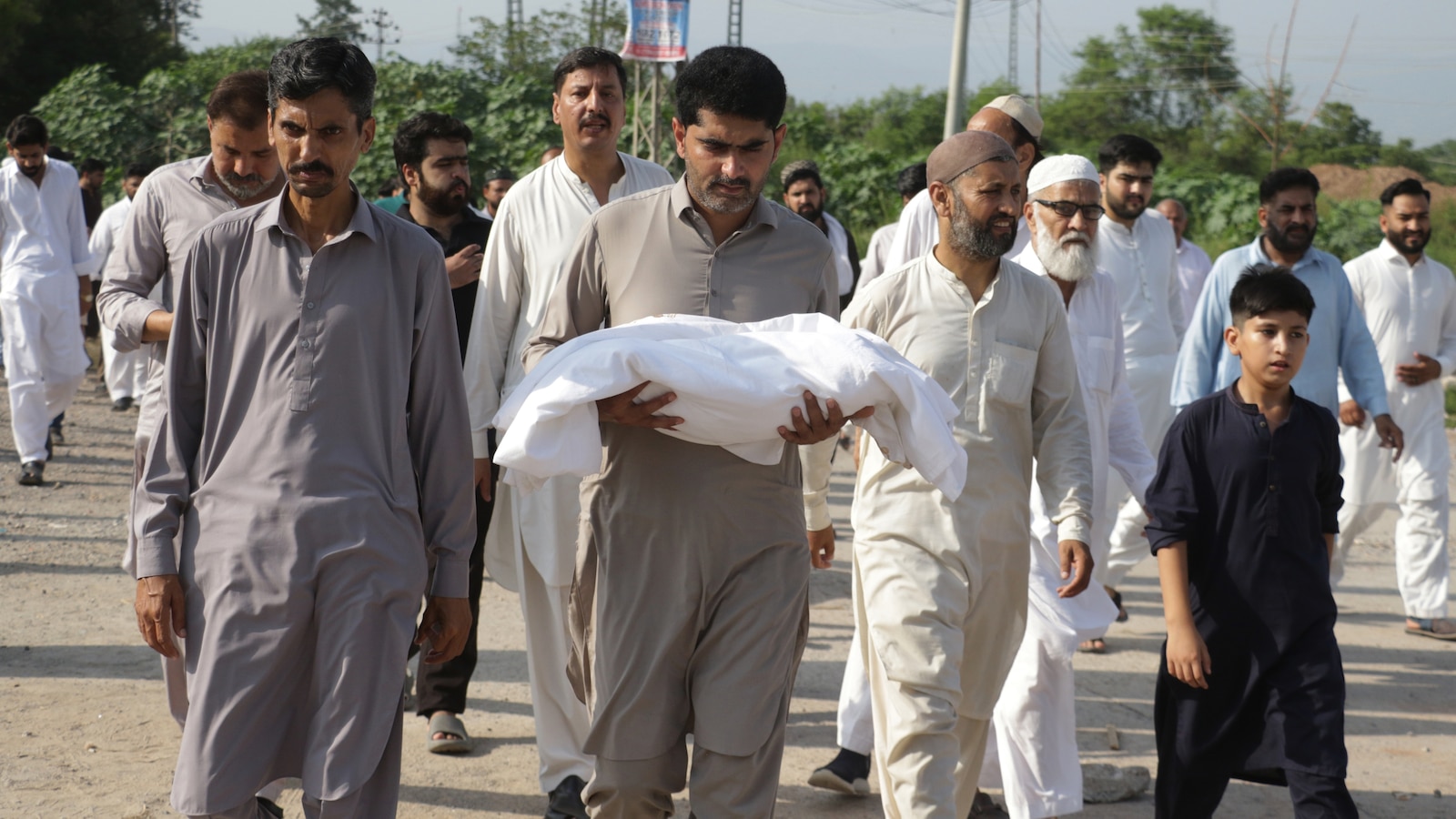
A high-level investigative team has begun inspecting a hospital nursery in Islamabad following a rapid, devastating blaze that claimed the lives of 14 newborn infants. The tragedy unfolded in the Pakistani capital, where emergency crews were deployed to contain the fire and prevent further casualties within the medical facility. Senior official investigators arrived at the scene on August 27 to examine structural damage, audit emergency equipment, and determine the precise chain of events that led to the lethal smoke and flame spread inside the specialized infant ward.
Key facts
What happened
The blaze ignited rapidly within the nursery ward of a prominent medical facility in Islamabad, quickly engulfing the specialized unit where neonates were receiving critical care. According to initial accounts reported by ABC News, the fire moved with extreme speed through the room, filling the enclosed environment with dense smoke and severe heat before staff could safely extract all the vulnerable patients inside. Emergency personnel and hospital staff rushed to respond, working to evacuate surviving infants and manage the immediate chaos, but fourteen newborns perished as a direct result of the inferno.
Following the containment of the flames, high-ranking investigative officials established a perimeter around the hospital wing to gather forensic evidence, inspect electrical wiring, and review facility maintenance logs. Investigators are examining whether oxygen line infrastructure—commonly present in high density within neonatal care units—accelerated the spread of the fire. Forensic teams in Islamabad are analyzing thermal damage patterns to pinpoint the exact point of origin, while official panels interview on-duty medical personnel, technicians, and administrative officers to construct a detailed timeline of the emergency response from the moment smoke was first detected.
Why it matters
The loss of 14 newborn lives in a capital city medical center highlights severe, persistent systemic vulnerabilities across public and private healthcare facilities in South Asia. In specialized units like Neonatal Intensive Care Units (NICUs) and nurseries, patients are entirely helpless and completely reliant on automated life support systems and quick human intervention. When structural fires break out in these spaces, the presence of concentrated medical oxygen gas creates an exceptionally volatile environment where small electrical sparks can instantly turn into uncontainable blazes.
For health administrators and civil safety authorities, this disaster underscores the urgent necessity of mandatory fire suppression systems, including automated sprinklers, flame-retardant wall materials, isolated oxygen shutoff valves, and specialized smoke extraction mechanisms in infant wards. Beyond the immediate tragedy suffered by the victims' families, such incidents erode public trust in national healthcare infrastructure. When parents cannot rely on public or private capital hospitals for the safe delivery and postnatal care of their infants, it signals fundamental regulatory failures in municipal building code enforcement, routine safety inspections, and institutional emergency preparedness. Moreover, the outcome of this investigation could set legal precedents regarding administrative accountability and criminal negligence charges for hospital executives and municipal regulatory inspectors across Pakistan.
The background
Hospital safety across Pakistan has long faced significant hurdles, characterized by aging municipal infrastructure, inconsistent regulatory oversight, and chronic underfunding in public health systems. In major urban centers such as Islamabad, Karachi, and Lahore, health facilities often operate near or above capacity, straining electrical grids through the continuous use of high-power medical devices like incubators, oxygen concentrators, and industrial air conditioning units. Overloaded electrical panels and faulty wiring represent primary causes for commercial and institutional fires throughout the region, particularly during peak summer months when cooling demands surge across capital facilities.
Historically, South Asian healthcare systems have suffered similar catastrophic incidents in neonatal and pediatric care units. Over the past decade, recurring fires in medical centers across Pakistan and neighboring India have drawn sharp international attention to systemic fire code violations. Previous investigations into regional hospital blazes have frequently revealed common deficiencies: absent or expired fire extinguishers, blocked emergency exit corridors, unmonitored electrical modifications, and a complete lack of dedicated fire safety staff or routine evacuation drills.
Under Pakistani municipal governance, public and commercial structures in Islamabad fall under strict safety codes promulgated by local municipal authorities and national health regulators. Regulations theoretically mandate routine structural audits, functional smoke detection installations, and certified fire suppression equipment before facilities receive operational licenses. However, enforcement mechanisms often suffer from bureaucratic fragmentation, insufficient inspectorate personnel, and delayed compliance enforcement, leaving critical gaps between official safety mandates and daily institutional reality.
Reaction
The tragic death of 14 infants has sparked widespread grief and outrage among citizens, patient advocacy groups, and medical professionals across Pakistan. Federal health officials and local administrative bodies in Islamabad face mounting pressure to deliver transparent, rapid findings from the ongoing high-level investigation. In similar public disasters, top government ministers, provincial health departments, and parliamentary committees typically order immediate cross-jurisdictional safety audits for all public and private hospital wards nationwide.
Medical associations and healthcare worker unions are expected to call for comprehensive safety reforms, emphasizing that nursing staff and junior doctors cannot maintain patient safety if basic structural standards and fire suppression mechanisms are absent. Human rights organizations and legal advocacy groups in Islamabad are demanding strict legal accountability, calling for criminal negligence proceedings against any hospital management personnel or municipal building inspectors found to have overlooked safety violations. Meanwhile, affected families and community members continue to gather at the facility, seeking answers and demanding immediate institutional reform to ensure no other parents suffer similar losses.
What we don't know yet
Despite the deployment of high-level investigators to the hospital nursery, critical details surrounding the disaster remain unconfirmed in public reports. The primary cause of the fire has not yet been formally identified, though forensic specialists are evaluating potential sources, including electrical short-circuiting in incubator equipment or oxygen system leaks. Additionally, official records have not clarified how many infants were present in the nursery ward when the fire broke out, nor the precise condition of any surviving infants who were evacuated during the emergency.
It also remains unclear whether the hospital possessed valid fire safety certifications at the time of the incident, whether automated smoke alarms alerted staff immediately, or whether emergency shutoff valves for oxygen lines were activated during the evacuation. The full findings of the high-level investigative panel, including potential administrative suspensions or legal charges against hospital leadership, have yet to be publicly released.
What to watch
In the coming days, observers should watch for the release of the preliminary findings from the high-level investigative committee visiting the Islamabad facility. Their formal report will detail the precise cause of ignition, structural vulnerabilities, and any failure of safety systems within the nursery ward. Subsequent legal and administrative actions, including potential arrests or civil liability filings against facility administrators and municipal inspectors, will indicate whether government authorities intend to enforce strict accountability.
Additionally, public health authorities in Islamabad and national ministries may announce mandatory, nationwide fire safety inspections across all public and private neonatal and intensive care units. Watching for regional policy mandates regarding mandatory automatic sprinkler installations, oxygen emergency cutoffs, and staff safety training will reveal whether this tragic disaster leads to long-overdue systemic safety overhauls across Pakistan's healthcare sector.
This report is based on news coverage provided by ABC News.
How this story was produced
This report was written by The Global Wire newsroom from reporting first published by ABC News. We verify the core facts against the original report, write our own account, and add the background and consequences a short wire item leaves out. Drafting is AI-assisted inside an editor-supervised pipeline, and every story is checked for accuracy of attribution, structure and duplication before it appears — full detail in our AI and funding disclosure.
Spotted an error? Tell us at corrections@horizonglobalnews.com and read our corrections policy or editorial standards.





Reader comments
Loading comments…