

India Must Bolster Bowling Rather Than Seek Hardik Pandya Clone, Gavaskar Warns
Sunil Gavaskar says India must stop searching for a direct replacement for Hardik Pandya, urging selectors to strengthen frontline bowling and cultivate flexible player roles.
By The Global Wire Newsroom · Reported from SECTIONS Gavaskar says Hardik Pandya irreplaceable; India should stop looking
Link preview · horizonglobalnews.com
India Must Bolster Bowling Rather Than Seek Hardik Pandya Clone, Gavaskar Warns
Sunil Gavaskar says India must stop searching for a direct replacement for Hardik Pandya, urging selectors to strengthen frontline bowling and cultivate flexible player roles.
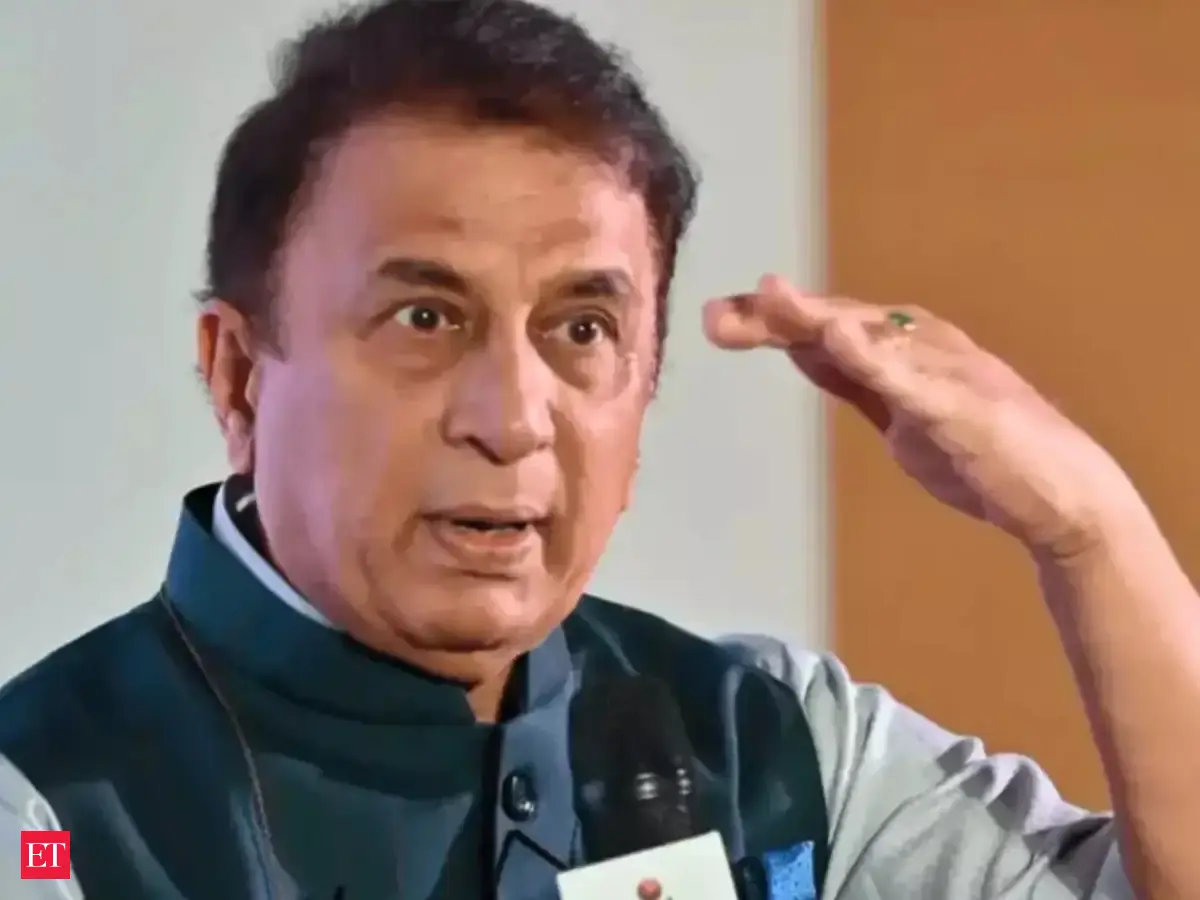
Former Indian captain and veteran cricket analyst Sunil Gavaskar has called on national team selectors to cease their ongoing pursuit of an identical replacement for all-rounder Hardik Pandya, urging India instead to focus resources on strengthening the frontline bowling attack. In assessments reported by SECTIONS, Gavaskar highlighted that Pandya's combination of middle-order boundary hitting and seam bowling makes him an essentially irreplaceable component of the white-ball lineup. Rather than attempting to force younger players into a duplicate profile, Gavaskar suggested that team management should diversify tactical responsibilities across the squad and specifically pointed to the emerging domestic talent Naman Dhir as an example of a cricketer whose dual batting and bowling contributions warrant strategic integration.
Key facts
What happened
During a review of India's recent Twenty20 fixtures, Sunil Gavaskar evaluated the balance of the national squad and addressed the perennial dilemma surrounding seam-bowling all-rounders in Indian cricket. According to reporting by SECTIONS, Gavaskar observed that the team's ongoing search for an athlete capable of matching Hardik Pandya’s precise tactical utility has produced unnecessary selection constraints. He stated plainly that Pandya cannot be replicated like-for-like and that management must recalibrate its expectations accordingly.
Central to Gavaskar’s critique was the state of India's bowling attack. He noted that recent Twenty20 international engagements exposed vulnerabilities in the bowling unit, necessitating a concerted effort to fortify the bowling ranks with specialized potency rather than compromised hybrid options. In Gavaskar’s view, attempting to shoehorn emerging prospects into high-workload seam-bowling all-rounder slots risks underutilizing their natural abilities while leaving the team with diluted bowling returns.
As an alternative path forward, Gavaskar suggested that Indian selectors explore tactical flexibility by cultivating players who can execute distinct, compartmentalized responsibilities within the team sheet. Within this context, Gavaskar specifically referenced Naman Dhir, an aggressive batter who also provides useful overs with the ball. Gavaskar indicated that nurturing players of Dhir’s profile—who can alter game momentum with purposeful batting while supplementing the main bowling group—offers a more realistic and sustainable strategy than expecting any newcomer to instantly match Pandya's workload and caliber across both disciplines.
Why it matters
Gavaskar’s assessment cuts to the heart of modern Twenty20 roster engineering and touches upon a fundamental structural deficit in Indian cricket: the scarcity of top-order or middle-order batters who can reliably deliver medium-fast or fast overs. In the shortest international format, governed by four-over quotas per bowler across a 20-over innings, a seam-bowling all-rounder who bowls at standard pace affords unmatched tactical flexibility. Such a player allows captaincy groups to field five specialist batters, an elite wicketkeeper, and four dedicated bowlers while retaining a genuine sixth bowling option to hedge against bad overs or batting-friendly surfaces.
When a player of Pandya’s caliber is absent due to injury management, rest rotations, or impending generational transition, national teams frequently fall into the trap of searching for identical tactical replicas. In Indian domestic tournaments, however, genuine seam-bowling all-rounders who possess both top-tier batting technique and consistent medium-pace bowling above 135 kilometers per hour are historically rare. The Board of Control for Cricket in India has repeatedly attempted to fast-track candidates to fill that void, often placing disproportionate pressure on unpolished talents.
By stating that Pandya is irreplaceable, Gavaskar shifts the debate from individual replacement to systemic design. For supporters, team analysts, and selectors, this perspective recommends constructing squads around primary bowling competence. If the national side fields elite wicket-taking bowlers who can restrict opposition totals outright, the reliance on a pace-bowling sixth option diminishes. Conversely, utilizing flexible assets like Dhir to supply occasional overs allows the batting unit to retain its firepower without burdening young players with unrealistic expectations.
The background
For nearly a decade, Hardik Pandya has occupied a central position in India’s tactical planning across limited-overs formats. Making his international debut in January 2016, Pandya quickly developed into the country’s most reliable fast-bowling all-rounder since Kapil Dev retired in 1994. Pandya's ability to bowl decisive overs in high-leverage situations was demonstrated during the 2024 ICC Men's T20 World Cup in the Caribbean and the United States, where he successfully defended 16 runs in the final over against South Africa on June 29, 2024, in Bridgetown, Barbados, securing India’s seven-run championship victory.
However, the heavy physical demands of pace bowling combined with explosive power hitting have subjected Pandya to repeated back injuries and extended rehabilitation periods over his career. During his absences, India’s white-ball balance has frequently experienced disruption. In multiple bilateral engagements and multi-nation tournaments, the national selection panel, currently chaired by former international fast bowler Ajit Agarkar, has tried several players to serve as secondary seam-bowling all-rounders, including Shivam Dube and Nitish Kumar Reddy.
Naman Dhir, whom Gavaskar praised in his remarks, represents the next generation of multi-skilled domestic talent. Playing for Punjab in domestic competitions and having earned prominence with Mumbai Indians in the Indian Premier League, Dhir has developed a reputation for fearless, high-strike-rate batting against high-caliber bowling, alongside the ability to bowl disciplined overs. While Dhir has primarily bowled off-spin at the senior professional level rather than pace, his willingness to contribute in both facets fits Gavaskar's broader philosophy: identifying players who maximize their complementary skills rather than obsessing over rigid bowling classifications.
Reaction
Public reaction within cricket analyst circles and supporter forums has largely validated Gavaskar's pragmatic assessment. Followers of Indian domestic cricket have long noted the systemic challenge of developing genuine pace-bowling all-rounders given the physical toll and the nature of Indian subcontinent pitches, which traditionally favor spin over seam. Gavaskar's stature as the first batter in history to accumulate 10,000 runs in Test cricket and his decades of international commentary give his technical critiques substantial weight among team observers.
Official reaction from the Board of Control for Cricket in India selection committee and the national coaching staff led by Gautam Gambhir is traditionally reserved for formal squad announcement press conferences. However, the management's recent selections have subtly reflected a similar realization. During recent bilateral Twenty20 assignments, the team has experimented with diverse bowling combinations, pairing frontline wrist-spinners and express fast bowlers together rather than relying on a fixed, rigid template. Further commentary from current players or coaches is expected during pre-series media briefings ahead of India's forthcoming international calendar fixtures.
What we don't know yet
While Gavaskar's analysis provides clear tactical guidance, the summary reported by SECTIONS leaves several practical operational details unaddressed. The reporting does not elaborate on the specific upcoming Twenty20 series or opposition Gavaskar was evaluating when emphasizing the recent bowling deficiencies. Additionally, it remains unstated whether Gavaskar believes India should abandon selecting seam-bowling all-rounders entirely or merely alter the role definitions for emerging prospects like Dhir.
Furthermore, the exact institutional stance of the BCCI selection committee regarding Hardik Pandya’s long-term workload management across formats remains undisclosed. It is currently unconfirmed how frequently Pandya will participate in bilateral Twenty20 international series leading into major global tournaments, or whether team management intends to provide Dhir with an official senior international debut in upcoming series. The extent to which head coach Gautam Gambhir agrees with Gavaskar's view that Pandya is structurally irreplaceable also remains an open question that future team selections will answer.
What to watch
Several upcoming milestones will indicate whether India’s leadership adopts Gavaskar's tactical recommendations. The primary indicator will be the squad composition announced by Ajit Agarkar’s selection panel for India’s next scheduled Twenty20 international bilateral series. Observers will monitor whether selectors choose a higher concentration of frontline specialist fast bowlers and specialist spinners, or continue auditioning emerging players in the seam-all-rounder mold.
The domestic cricket calendar, encompassing the Syed Mushtaq Ali Trophy Twenty20 tournament and the Ranji Trophy, will also serve as a crucial testing ground. Performances by Naman Dhir for Punjab in domestic white-ball tournaments, as well as his roles in the upcoming Indian Premier League season, will determine whether his dual-skill set translates into national team contention. Looking further ahead, India’s preparation cycle for the 2026 ICC Men's T20 World Cup, which India will co-host alongside Sri Lanka, will definitively show whether management builds around bowling depth or continues the elusive search for an exact Pandya substitute.
This account is based on original reporting and tactical commentary published by SECTIONS.
How this story was produced
This report was written by The Global Wire newsroom from reporting first published by SECTIONS Gavaskar says Hardik Pandya irreplaceable; India should stop looking. We verify the core facts against the original report, write our own account, and add the background and consequences a short wire item leaves out. Drafting is AI-assisted inside an editor-supervised pipeline, and every story is checked for accuracy of attribution, structure and duplication before it appears — full detail in our AI and funding disclosure.
Spotted an error? Tell us at corrections@horizonglobalnews.com and read our corrections policy or editorial standards.




Reader comments
Loading comments…