

Icelandic Voters Reject Proposal to Resume European Union Accession Talks
Voters in Iceland have rejected a measure to restart negotiations to join the European Union, preserving the nation's status outside the 27-member bloc.
By The Global Wire Newsroom · Reported from Kwiyeon Ha
Link preview · horizonglobalnews.com
Icelandic Voters Reject Proposal to Resume European Union Accession Talks
Voters in Iceland have rejected a measure to restart negotiations to join the European Union, preserving the nation's status outside the 27-member bloc.
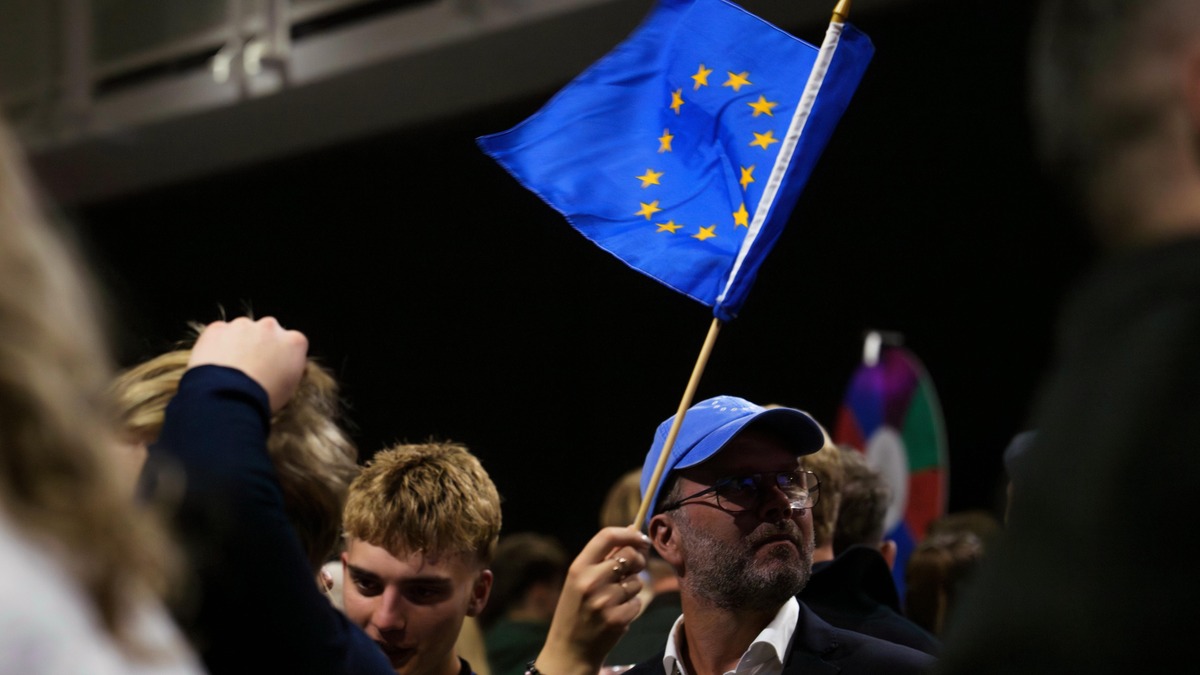
Icelandic electors have voted against a national proposal to resume formal accession negotiations with the European Union, rejecting a bid to reopen a diplomatic pathway that has remained dormant for over eleven years. The outcome, reported by Iceland's national broadcaster RÚV on August 30, 2026, reinforces the North Atlantic island nation's long-standing skepticism toward full integration into the 27-member bloc. By declining to authorize a fresh mandate for negotiators in Reykjavík, the electorate has maintained the country's existing arrangement as a non-member participant in the European single market through the European Economic Area agreement.
Key facts
What happened
Iceland's national broadcaster RÚV reported on Sunday, August 30, 2026, that voters turned down a public proposal asking whether the government should restart diplomatic talks to join the European Union. The ballot measure addressed a fundamental question that has divided politicians in Reykjavík for years: whether to seek full EU membership or remain outside the bloc while continuing close trade and security cooperation through existing peripheral treaties.
While detailed demographic breakdowns and official certified percentages were awaiting formal publication by election authorities following the initial broadcast, the report confirmed that the rejection margin defeated the initiative. The decision halts immediate legislative efforts in the Alþingi, Iceland's 63-seat parliament, to draft a new negotiating mandate or send a delegation to meet with European Commission officials in Brussels.
The vote follows campaign efforts by pro-EU political factions who argued that membership, along with potential adoption of the euro, would offer macroeconomic stability, lower borrowing costs, and insulate the economy from currency volatility associated with the Icelandic króna. Opponents countered that entering accession talks would threaten Iceland's vital maritime industries and expose domestic food producers to uncompetitive European agricultural imports. By rejecting the motion, the electorate signaled a preference for national sovereignty over natural resources.
Why it matters
The rejection of EU negotiation talks carries significant consequences for both Icelandic domestic governance and European geopolitical strategy in the North Atlantic. Economically, the decision keeps Iceland bound to its national currency, the króna, which offers independent monetary policy control through the Central Bank of Iceland but leaves domestic consumers and businesses exposed to inflation risks and currency fluctuations compared to the euro area.
For the European Union, the result confirms that enlargement in Northern Europe remains off the agenda. Brussels has sought to deepen integration with Atlantic and Nordic neighbors amid changing Arctic security dynamics and competition over northern trade routes and marine resources. An Icelandic accession would have brought the entire Nordic region—excluding Norway—under the EU umbrella, granting Brussels jurisdiction over Exclusive Economic Zones (EEZ) rich in fish stocks.
Crucially, the vote safeguards Iceland's national control over its fisheries sector, which accounts for a substantial share of export revenues. Joining the EU would require submitting to the Common Fisheries Policy (CFP), which establishes collective catch quotas and grants foreign vessels access to member states' waters. For Icelandic vessel operators and coastal communities, retaining absolute control over the 200-nautical-mile Exclusive Economic Zone remains a key threshold of national self-determination.
The decision also reinforces the European Economic Area (EEA) framework. As an EEA member alongside Norway and Liechtenstein, Iceland retains access to the EU internal market's four freedoms without being subject to EU agricultural, fisheries, or common foreign policies.
The background
Iceland's relationship with continental Europe has long balanced deep economic interdependence against a fierce defense of territorial self-governance. Following independence from Denmark in 1944, Iceland prioritized maritime sovereignty. Between 1958 and 1976, Iceland engaged in diplomatic and maritime confrontations known as the "Cod Wars" with the United Kingdom, extending its exclusive fishery limits from 4 to 200 nautical miles to protect cod stocks.
In 1994, Iceland joined the European Economic Area, establishing a framework that allowed its businesses and citizens to integrate into the European single market while keeping fisheries and agriculture separate from EU regulation. In 2001, Iceland became a full member of the Schengen Area, abolishing routine passport controls with participating European nations.
The trajectory toward EU membership accelerated in October 2008, when the global financial crisis triggered the collapse of Iceland's three major commercial banks—Glitnir, Landsbanki, and Kaupthing. The resulting economic shock caused the króna to plunge and inflation to soar, shaking public confidence in the national financial system.
In July 2009, under the left-leaning coalition government of Prime Minister Jóhanna Sigurðardóttir, the Alþingi voted to submit a formal application for EU membership. Accession negotiations officially opened in July 2010. Over the next three years, negotiators opened 27 out of 33 policy chapters and provisionally closed 11. However, chapters on fisheries and agriculture were repeatedly deferred due to policy mismatches.
Political momentum shifted following the April 2013 parliamentary elections, which brought a center-right coalition of the Independence Party and Progressive Party to power on a platform opposing EU entry. The government froze accession negotiations in May 2013. In March 2015, Foreign Minister Gunnar Bragi Sveinsson sent an official letter to the EU requesting that Iceland no longer be considered a candidate country, shelving the process without a referendum. The August 2026 vote represents the latest popular reckoning on the issue.
Reaction
Following the broadcast by RÚV reporting the rejection, responses are expected to align with established political and sectoral positions in Iceland and Europe. Within the Alþingi, conservative and nationalist factions that campaigned against reopening negotiations are expected to frame the outcome as an endorsement of national sovereignty and a mandate to strengthen independent trade agreements. Conversely, pro-European political parties face the prospect of adjusting their foreign policy platforms after failing to secure popular backing for a return to negotiating in Brussels.
Fisheries associations and agricultural unions are expected to welcome the result, emphasizing that remaining outside the EU protects coastal communities from quota redistribution under the Common Fisheries Policy. In Brussels, European Commission officials are expected to issue statements respecting the decision while reiterating commitment to close cooperation through the EEA agreement, Northern Dimension initiatives, and NATO security structures.
What we don't know yet
Several key details regarding the ballot outcome remain unconfirmed in early media coverage. First, precise voter turnout figures and final percentage splits between "yes" and "no" ballots have not been fully detailed. Understanding whether rejection was uniform or concentrated in rural and coastal districts will be vital for analyzing future legislative dynamics in the Alþingi.
Second, it remains unclear how political parties will incorporate the result into upcoming parliamentary strategies. While the electorate rejected restarting negotiations, open questions remain about whether pro-EU lawmakers will push for non-binding advisory committees or focus on targeted bilateral trade agreements with Brussels.
Finally, the long-term impact on Iceland's monetary policy remains uncertain. Proponents of EU accession tied the resumption of talks to eventual euro adoption as a solution to króna volatility. With EU talks rejected, financial authorities have yet to articulate alternative long-term structural reforms for the national currency.
What to watch
In the coming weeks, several key milestones will clarify the policy consequences of the vote:
***
This report is based on original news coverage by Kwiyeon Ha.
How this story was produced
This report was written by The Global Wire newsroom from reporting first published by Kwiyeon Ha. We verify the core facts against the original report, write our own account, and add the background and consequences a short wire item leaves out. Drafting is AI-assisted inside an editor-supervised pipeline, and every story is checked for accuracy of attribution, structure and duplication before it appears — full detail in our AI and funding disclosure.
Spotted an error? Tell us at corrections@horizonglobalnews.com and read our corrections policy or editorial standards.



Reader comments
Loading comments…