

Hyliion Synchronizes Modular Generators Through Advanced Control Platform
The KARNO Management System successfully linked two 200-kilowatt power units to operate as a coordinated plant with automated load sharing.
By The Global Wire Newsroom · Reported from Aamir Khollam
Link preview · horizonglobalnews.com
Hyliion Synchronizes Modular Generators Through Advanced Control Platform
The KARNO Management System successfully linked two 200-kilowatt power units to operate as a coordinated plant with automated load sharing.
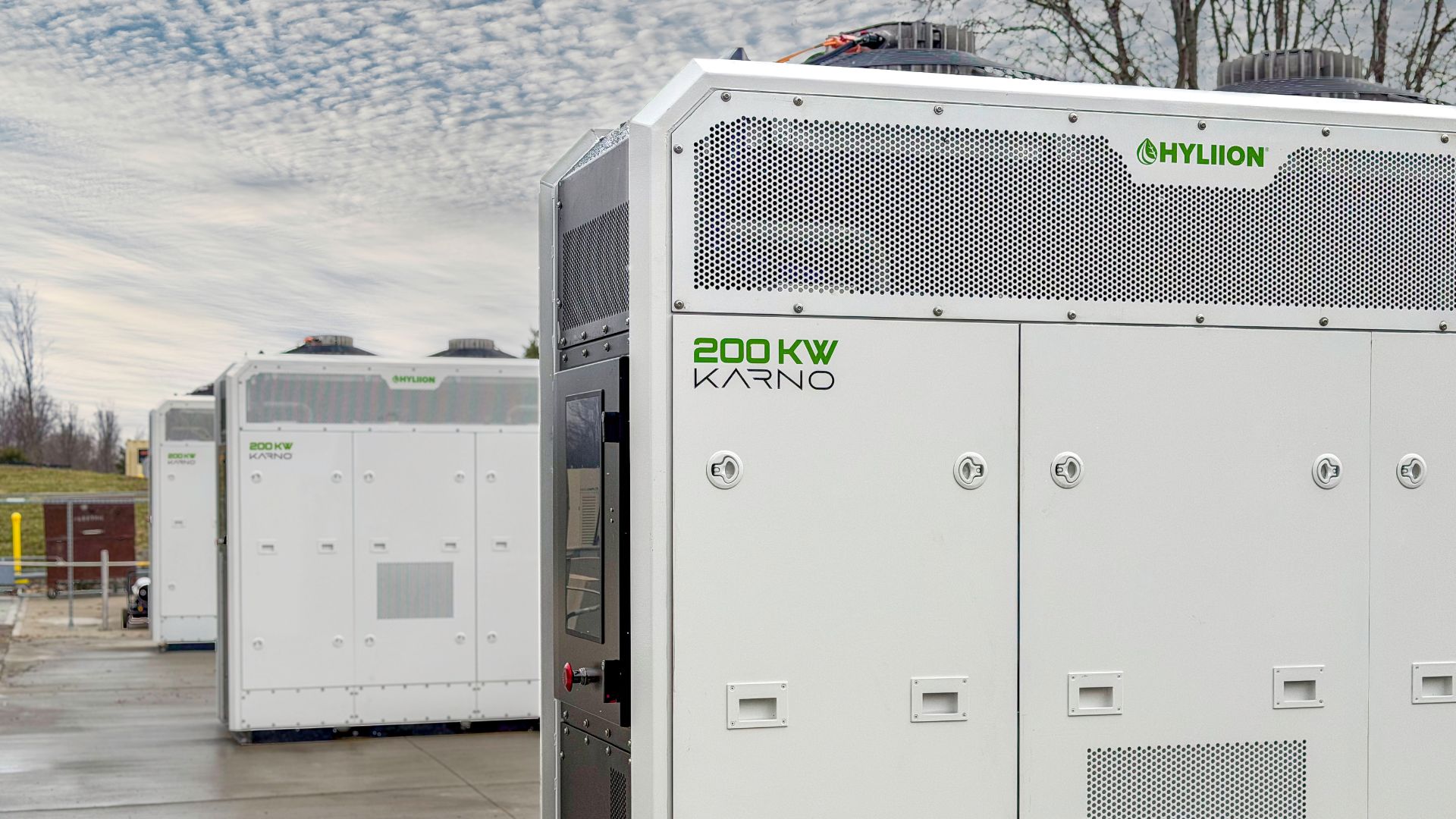
Clean technology developer Hyliion has achieved a significant engineering milestone by successfully synchronizing multiple 200-kilowatt generation units through its proprietary KARNO Management System, allowing separate power generators to operate as a single, fully integrated power plant. As detailed in reporting by energy technology writer Aamir Khollam, the demonstration successfully linked two of the 200 kW generators, showcasing automated load sharing across the units alongside fault-tolerant control capabilities.
The successful coordination of individual power modules marks a pivotal step in the validation of modular power architectures. By enabling distinct generator units to communicate and balance electrical output in real time, the control platform allows end users to scale generation capacity up or down dynamically while maintaining system stability and operational efficiency.
Synchronization and Control Mechanics
The central breakthrough of the recent demonstration lies in the control architecture’s ability to orchestrate distinct generator units into a single electrical entity. According to reporting by Aamir Khollam, the KARNO Management System established precise synchronization between two 200 kW modules, effectively creating a 400 kW combined output capacity capable of responding as one unified system.
In conventional power generation, connecting multiple independent generators to a shared bus or localized grid requires meticulous control over voltage levels, frequencies, and phase angles. Without precise synchronization, connecting running generators can cause severe electrical faults, mechanical shock, and equipment damage. The management system automates these complex parameters, aligning the output characteristics of separate modules before bringing them online and maintaining alignment during active operations.
This continuous orchestration allows the software to adjust generator parameters instantaneously in response to fluctuations in electrical demand, preventing transient power drops or spikes that could destabilize sensitive downstream loads.
Fault Tolerance and Automated Load Distribution
A critical feature demonstrated during the multi-module operation was automated load sharing. In multi-unit power deployments, power draw must be distributed proportionally among operational generators to prevent any single unit from experiencing overload while others run under capacity. The control platform continuously calculates system demand and adjusts the throttle and electrical output of each connected unit to optimize fuel efficiency and balance operational strain.
Equal distribution of workload helps extend the operating life of individual generator components by preventing uneven thermal stress and mechanical wear across the installation. Furthermore, automated load balancing allows the platform to adjust capacity dynamically as demand fluctuates, throttling back individual units or cycling them into standby mode when total demand decreases.
In addition to load balancing, the reporting by Aamir Khollam highlights the integration of fault-tolerant power control. Fault tolerance ensures that if one generator in the network encounters an operational anomaly or technical failure, the control system can isolate the affected module without causing a total shutdown of the broader power station. The remaining connected modules automatically step up output within their operational limits to compensate for the lost capacity, providing continuous power to mission-critical infrastructure.
Strategic Role of Modular Power Architectures
The achievement highlights a broader shift in stationary power generation toward modular, distributed energy resources. Historically, commercial and industrial facility operators relying on on-site power generation deployed large, centralized single-engine generator sets to meet peak power demands. While effective, large single-engine installations present notable operational disadvantages, including reduced fuel efficiency at partial loads and complete power loss during scheduled maintenance or unexpected hardware failures.
Modular power systems offer an alternative framework. By assembling energy assets out of smaller, standardized building blocks—such as 200 kW modules—facility operators can customize their total generating capacity to match exact operational requirements. If power needs grow over time, additional units can be added to the existing control architecture without requiring a total redesign of the electrical infrastructure.
Furthermore, modular systems inherently improve plant availability. When a facility relies on a cluster of coordinated 200 kW modules rather than a single massive generator, maintenance crews can take individual units offline for routine servicing while the remaining modules continue to power the site. The demonstration of fault-tolerant load sharing confirms that the underlying management software can support this operational flexibility seamlessly.
Target Markets and Practical Applications
The ability to link 200 kW modules into a unified, fault-tolerant power plant aligns with pressing power demands across several rapidly growing industrial sectors. High-power applications such as commercial electric vehicle fleet charging hubs, mobile data centers, remote industrial sites, and grid-edge utility support increasingly require rapidly deployable, highly reliable generation sources.
In electric vehicle charging applications, for instance, localized grid infrastructure often lacks the capacity to support high-power rapid chargers. Synchronized modular generators can serve as prime power or peak-shaving support, supplying immediate high-capacity electricity. As charging demand scales throughout the day, the control system can automatically bring additional 200 kW modules online, optimizing fuel usage and reducing emissions during off-peak hours.
Similarly, data center operators prioritize uninterrupted power supply above all other operational metrics. The inclusion of fault-tolerant control mechanisms provides an added layer of operational redundancy, assuring facilities that localized power plants can withstand component-level issues without experiencing full outage events.
Industry Context and Technological Roadmap
The integration of advanced software management tools into hardware power assets reflects an ongoing evolution across the distributed energy industry. Modern energy deployment increasingly relies on intelligent software controls to bridge the gap between variable power production, local generation assets, and complex electrical demand profiles.
By proving that the KARNO Management System can coordinate multiple 200 kW units simultaneously, Hyliion moves closer toward commercializing scalable energy solutions tailored for prime and backup power markets. The demonstration provides a baseline for larger multi-megawatt configurations that assemble dozens of standardized generator modules under a single overarching control interface.
Future developments in the platform are expected to focus on expanded multi-unit scaling, broader integration with localized renewable generation assets such as solar arrays and battery energy storage systems, and advanced predictive diagnostic features embedded within the primary control software.
This article is based on original reporting by Aamir Khollam.
How this story was produced
This report was written by The Global Wire newsroom from reporting first published by Aamir Khollam. We verify the core facts against the original report, write our own account, and add the background and consequences a short wire item leaves out. Drafting is AI-assisted inside an editor-supervised pipeline, and every story is checked for accuracy of attribution, structure and duplication before it appears — full detail in our AI and funding disclosure.
Spotted an error? Tell us at corrections@horizonglobalnews.com and read our corrections policy or editorial standards.
Reader comments
Loading comments…