

How Salmonella Infiltrates Diverse Supply Chains and Household Environments
An analysis by food safety specialist Kimberly Baker details how Salmonella contaminates items ranging from fresh produce and eggs to dry pet food and live turtles.
By The Global Wire Newsroom · Reported from Kimberly Baker
Link preview · horizonglobalnews.com
How Salmonella Infiltrates Diverse Supply Chains and Household Environments
An analysis by food safety specialist Kimberly Baker details how Salmonella contaminates items ranging from fresh produce and eggs to dry pet food and live turtles.
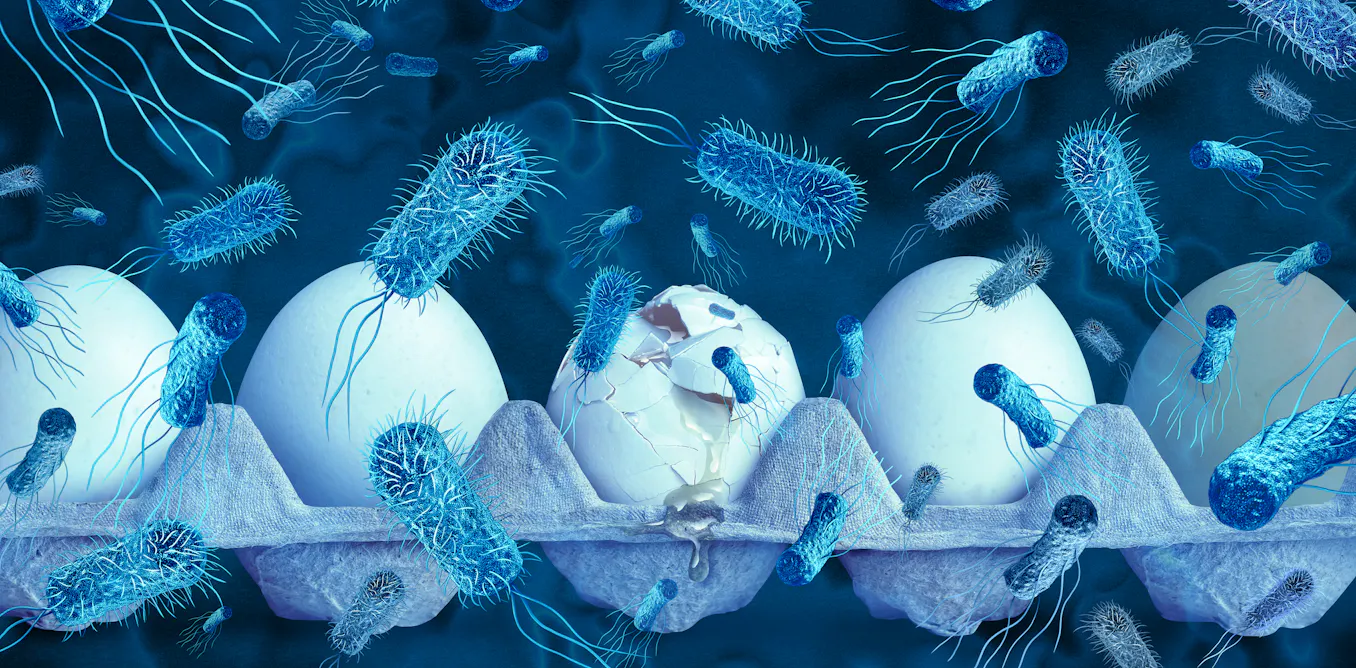
In a detailed food safety analysis published on August 31, 2026, specialist Kimberly Baker outlined the diverse transmission pathways through which Salmonella bacteria contaminate consumer goods ranging from farm produce and poultry to dry packaged foods and domestic pets. According to reporting by Kimberly Baker, the pathogen's ability to infiltrate varied supply chains—including shell eggs, jalapeño peppers, commercial dog food, granola, and pet turtles—highlights systemic vulnerabilities in agricultural management, food processing, and domestic hygiene. The analysis details how environmental reservoirs, agricultural runoff, animal host shedding, and household cross-contamination allow the rod-shaped bacterium to persist as a recurring public health challenge.
Key facts
What happened
The pathways governing Salmonella contamination differ significantly depending on the underlying vector, creating distinct transmission routes into human environments. In agricultural settings, fresh produce such as jalapeño peppers becomes contaminated primarily through exposure to surface water carrying agricultural runoff, livestock manure, or wild animal feces. Once surface moisture settles on crops, Salmonella can adhere to outer surfaces or enter plant tissues through natural pores, rendering simple washing insufficient to guarantee safety.
For poultry and shell eggs, transmission occurs through internal and external mechanisms. In laying flocks, specific strains—notably Salmonella Enteritidis—can infect the reproductive organs of hens, depositing the bacteria into the egg interior prior to shell formation. Alternatively, eggs acquire outer surface contamination from fecal matter in coops, which can penetrate porous shells if protective coatings are damaged.
In dry processing facilities producing goods like granola and manufactured pet foods, Salmonella presents unique persistent hazards. Although dry foods do not support active bacterial reproduction, Salmonella cells enter a desiccation-resistant state. When raw ingredients like nuts, grains, or dried fruits carry trace contamination into processing plants, the bacteria can survive heat treatment if humidity is uncalibrated or contaminate post-processing stages via ambient dust, surfaces, or handling equipment. Packaged dry goods can then harbor viable bacteria for months.
Living vectors, such as pet turtles and domestic animals, act as biological reservoirs. Amphibians and reptiles naturally carry Salmonella strains in their digestive tracts without showing signs of disease, shedding bacteria into tank water, terrariums, and onto their skin or shells. Handling these pets or cleaning enclosures transfers bacteria to human hands and living spaces. Similarly, contaminated commercial pet food can infect domestic pets, which shed the pathogen into home environments even when showing no clinical symptoms.
Domestic cross-contamination further distributes these pathogens. In home kitchens, using shared cutting boards, knives, or sponges for raw meats or contaminated produce without sanitization transfers bacteria directly to ready-to-eat foods.
Why it matters
Salmonellosis represents a major global cause of enteric illness, driving severe clinical, economic, and regulatory consequences. Clinically, infection produces acute gastroenteritis featuring diarrhea, fever, abdominal pain, and nausea within 6 to 72 hours after exposure. While healthy adults typically recover within a week, severe cases cause severe dehydration and systemic complications. In high-risk groups—including infants, adults aged 65 and older, and immunocompromised individuals—Salmonella can enter the bloodstream, resulting in bacteremia, endocarditis, or septic arthritis, which can prove fatal without prompt antibiotic treatment.
For agriculture and food manufacturing, Salmonella contamination triggers costly recalls, operational shutdowns, and legal liabilities. A major recall across national distribution networks can cost processors tens of millions of dollars in direct losses and brand damage. Furthermore, recurring contamination prompts regulatory interventions and mandates expensive upgrades to environmental surveillance systems.
From a regulatory perspective, the persistence of Salmonella across dry, moist, raw, and processed products underscores the necessity of multi-barrier prevention frameworks. Regulatory agencies must continuously update oversight to cover non-traditional vectors like dry animal feeds and novelty pets, ensuring safety protocols exist at every point from farm management to final packaging.
The background
Salmonella is a genus of rod-shaped, Gram-negative, facultatively anaerobic bacteria belonging to the family Enterobacteriaceae. Named after American veterinary pathologist Daniel Elmer Salmon, who headed the United States Department of Agriculture (USDA) Bureau of Animal Industry during its discovery by research associate Theobald Smith in 1885, the genus comprises two primary species: Salmonella enterica and Salmonella bongori. Salmonella enterica contains over 2,500 distinct serovars, with Salmonella Enteritidis, Salmonella Typhimurium, and Salmonella Newport frequently linked to human disease.
According to the U.S. Centers for Disease Control and Prevention (CDC), Salmonella causes approximately 1.35 million human infections, 26,500 hospitalizations, and 420 deaths in the United States every year, with food sources accounting for roughly 1.2 million of those illnesses.
Key historical events have driven regulatory reforms across multiple sectors:
In the United States, federal oversight is shared: the USDA Food Safety and Inspection Service (FSIS) oversees commercial meat, poultry, and egg products, while the FDA regulates shell eggs, produce, processed dry goods, and animal feed under the Food Safety Modernization Act (FSMA) of 2011.
Reaction
Public health agencies and medical organizations consistently stress consumer adherence to primary food safety standards: Clean, Separate, Cook, and Chill. The CDC, FDA, and USDA recommend washing hands and surfaces frequently, separating raw animal products from fresh produce, cooking poultry to an internal temperature of 165°F (74°C) and ground meats to 160°F (71°C), and chilling perishable goods within two hours.
The American Veterinary Medical Association (AVMA) and pediatric health specialists advise households with young children under five, elderly members, or immunocompromised individuals to avoid keeping high-risk pets such as reptiles, amphibians, or backyard poultry. Manufacturing trade groups have expanded voluntary environmental testing and high-temperature sanitation protocols to meet FSMA preventive control mandates.
What we don't know yet
What to watch
This report is based on background analysis and food safety reporting published by specialist Kimberly Baker.
How this story was produced
This report was written by The Global Wire newsroom from reporting first published by Kimberly Baker. We verify the core facts against the original report, write our own account, and add the background and consequences a short wire item leaves out. Drafting is AI-assisted inside an editor-supervised pipeline, and every story is checked for accuracy of attribution, structure and duplication before it appears — full detail in our AI and funding disclosure.
Spotted an error? Tell us at corrections@horizonglobalnews.com and read our corrections policy or editorial standards.


Reader comments
Loading comments…