

Fisheries Crackdown Yields $10,000 Fine and Boat Destructions Over Illegal Bivalve Harvest
Authorities have imposed a $10,000 fine and destroyed seized vessels following a search that uncovered 139 protected bivalve molluscs and an undersized mud crab.
By The Global Wire Newsroom · Reported from Catherine Strohfeldt
Link preview · horizonglobalnews.com
Fisheries Crackdown Yields $10,000 Fine and Boat Destructions Over Illegal Bivalve Harvest
Authorities have imposed a $10,000 fine and destroyed seized vessels following a search that uncovered 139 protected bivalve molluscs and an undersized mud crab.
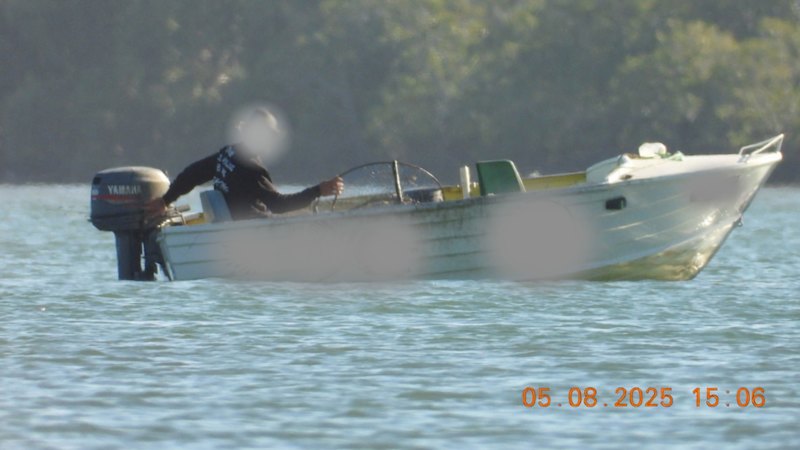
Fisheries compliance officers have levied a $10,000 court fine against a male offender and executed the physical destruction of seized vessels as part of an intensified enforcement initiative targeting illegal fishing operations. The legal penalty followed a targeted search of the individual's residential property, where inspectors discovered 139 protected bivalve molluscs alongside an undersized mud crab in his possession. The operation, documented in initial reporting published on September 10, 2026, by journalist Catherine Strohfeldt, highlights a broader regulatory campaign designed to deter coastal wildlife poaching, protect delicate benthic ecosystems, and enforce strict possession limits across marine management jurisdictions.
Key facts
What happened
According to reporting by Catherine Strohfeldt, enforcement officers executed a search of an individual's private property after investigating suspected unauthorized harvesting in local marine waters. During the entry and inspection of the premises, search teams uncovered a major cache of marine specimens gathered in violation of statutory conservation rules. Specifically, officers identified and confiscated 139 protected bivalve molluscs—shellfish species subject to statutory harvesting bans or strict possessional quotas—alongside a single mud crab that failed to meet mandatory minimum carapace size requirements.
Following the formal documentation and species inventory conducted by compliance personnel, legal proceedings against the property owner culminated in a $10,000 judicial fine. In addition to the monetary sanction, regulatory authorities carried out vessel destruction measures, physically crushing watercraft associated with the illegal fishing activities. The physical crushing of seized boats represents an administrative and judicial enforcement tool reserved for significant marine infractions, intended to permanently neutralize the operational equipment used to commit environmental offenses.
While the primary summary details the immediate seizure count and financial penalty, the operational sequence illustrates a structured regulatory pipeline: initial field surveillance or tip-offs from the public, judicial authorization for property searches, technical species identification and carcass measurement by qualified fisheries officers, formal charging under applicable state or territorial marine resource protection laws, and the ultimate disposal of confiscated assets through court-ordered destruction.
Why it matters
The enforcement outcomes detailed in the report highlight the serious ecological risks associated with unregulated shellfish gathering and crustacean poaching in fragile estuarine habitats. Bivalve molluscs, including clams, oysters, mussels, and cockles, perform indispensable ecological services as natural filter feeders. By straining water columns, these organisms remove pathogens, suspended organic material, and excess nutrients while stabilizing intertidal sediment beds. The unmonitored extraction of 139 protected bivalves from a single localized ecosystem can deplete breeding clusters, impair water filtration capacity, and destabilize benthic food webs that support commercial fish stocks.
Similarly, legal size limits imposed on mud crabs serve as a critical biological safeguard to ensure that crustaceans reach reproductive maturity and complete at least one spawning cycle prior to harvest. Taking undersized mud crabs directly harms the recruitment capacity of regional crustacean populations, threatening the long-term viability of both commercial trap fisheries and recreational crabbing activities.
From a regulatory perspective, combining a $10,000 fine with the physical destruction of watercraft signals a tough deterrence doctrine by coastal management agencies. Vessel forfeiture and destruction eliminate the capital assets of unauthorized operators, creating a financial penalty that far exceeds routine compliance costs or administrative fees. For law-abiding commercial operators and local communities, rigorous enforcement prevents the unlawful depletion of public marine resources and maintains economic equity across the seafood sector.
The background
Coastal fisheries management frameworks globally, and across Australian state jurisdictions such as Queensland and New South Wales, rely on a combination of spatial marine closures, protected species lists, daily bag limits, and strict carapace size limits to preserve marine biodiversity. Protected bivalve species—ranging from giant clams (Tridacninae) in tropical waters to restricted intertidal bivalves in temperate estuaries—are frequently granted complete statutory protection due to their high susceptibility to over-harvesting and prolonged growth trajectories.
Mud crabs (Scylla serrata) represent one of the most commercially valuable and targeted estuarine species across coastal regions. Fisheries regulations enforce strict minimum legal carapace widths—typically ranging between 130 and 150 millimeters depending on the jurisdiction and biological sex—to protect spawning females and mature males. Possession of even a single undersized mud crab constitutes a strict-liability offense under most coastal fisheries statutes, carrying severe financial administrative penalties or prosecution in magistrate courts.
To enforce these standards, state fisheries management acts grant authorized inspectors extensive statutory powers to enter land, search vehicles and vessels, and confiscate gear suspected of involvement in fisheries violations. Upon successful prosecution, courts routinely issue forfeiture orders for seized equipment, including nets, pots, outboard motors, and hull structures. While forfeited property was historically disposed of through public auctions, enforcement agencies increasingly opt to crush seized boats to prevent confiscated vessels from re-entering illicit harvesting networks through third-party purchasers. This rigorous model combines physical surveillance, scientific stock assessment, and permanent asset destruction to counter illegal marine harvesting.
Reaction
Although the initial reporting by Catherine Strohfeldt did not detail formal statements from the defendant or presiding judicial officers, enforcement outcomes of this magnitude consistently generate responses across regulatory, environmental, and recreational fishing sectors. State fisheries compliance divisions routinely publish details of high-value fines and asset destructions as public notices to reinforce regulatory compliance and warn potential offenders that private properties remain subject to lawful inspection when illegal possession is suspected.
Marine conservation groups typically commend major financial penalties and vessel crushing operations, viewing strict asset forfeiture as a vital mechanism to combat wildlife trafficking and protect vulnerable coastal ecosystems. Conversely, legal practitioners and recreational angling associations monitor search warrant executions and forfeiture proceedings closely to ensure that statutory due process, evidentiary standards, and proportionality guidelines are strictly maintained by regulatory personnel.
Within coastal communities, public responses to significant fines and boat destructions often reflect a division between law-abiding recreational fishers who demand robust protection for shared marine stocks and community members who scrutinize the severity of asset destruction. The convicted individual retains statutory rights to appeal the $10,000 fine or forfeiture order in higher courts, though no formal notice of appeal has been publicly confirmed.
What we don't know yet
A number of essential operational details remain unconfirmed in the available reporting. The precise geographic jurisdiction and magistrate court where the property search and vessel destruction were finalized were not specified in the original summary by Catherine Strohfeldt, leaving open whether the enforcement action occurred under state fisheries legislation in Queensland, New South Wales, or another coastal authority. Additionally, the exact scientific classification and biological species of the 139 protected bivalve molluscs have not been publicly disclosed, preventing an exact determination of whether the specimens were listed under threatened species legislation or restricted under localized recreational bag limits.
Furthermore, the summary does not indicate whether the offender acted as part of a commercial poaching enterprise supplying illegal seafood markets or engaged in personal harvesting. The total number of vessels crushed during the broader crackdown, the identity of the penalized individual, and whether additional co-defendants face pending charges also remain undisclosed in current reporting.
What to watch
Several checkable developments will determine the broader impact of this enforcement action in the coming months. Legal analysts and regulatory bodies will watch state court registries for potential appeal filings that could challenge the legal basis or proportionality of combining max-tier financial fines with mandatory vessel destruction for shellfish and crustacean offenses. Observers should also examine upcoming quarterly fisheries compliance reports for empirical data on whether publicized boat destructions correspond with a measurable reduction in illegal harvesting citations across coastal districts.
In addition, legislative oversight committees may evaluate asset forfeiture policies during scheduled parliamentary or department reviews to weigh the deterrent value of crushing seized watercraft against alternative disposal methods such as public auctions or material recycling. Finally, marine research bodies may conduct ecological assessments of local intertidal zones to monitor the natural recovery of protected bivalve colonies and mud crab populations following the disruption of illegal harvesting activities.
This report is based on original news reporting published on September 10, 2026, by journalist Catherine Strohfeldt.
How this story was produced
This report was written by The Global Wire newsroom from reporting first published by Catherine Strohfeldt. We verify the core facts against the original report, write our own account, and add the background and consequences a short wire item leaves out. Drafting is AI-assisted inside an editor-supervised pipeline, and every story is checked for accuracy of attribution, structure and duplication before it appears — full detail in our AI and funding disclosure.
Spotted an error? Tell us at corrections@horizonglobalnews.com and read our corrections policy or editorial standards.





Reader comments
Loading comments…