

Federal Medicaid Work Rules Leave Unhoused Populations Without Explicit Exemptions
A federal policy framework establishing Medicaid work requirements omits unhoused individuals from exemption lists despite prior assurances regarding vulnerable groups.
By The Global Wire Newsroom · Reported from Katheryn Houghton
Link preview · horizonglobalnews.com
Federal Medicaid Work Rules Leave Unhoused Populations Without Explicit Exemptions
A federal policy framework establishing Medicaid work requirements omits unhoused individuals from exemption lists despite prior assurances regarding vulnerable groups.
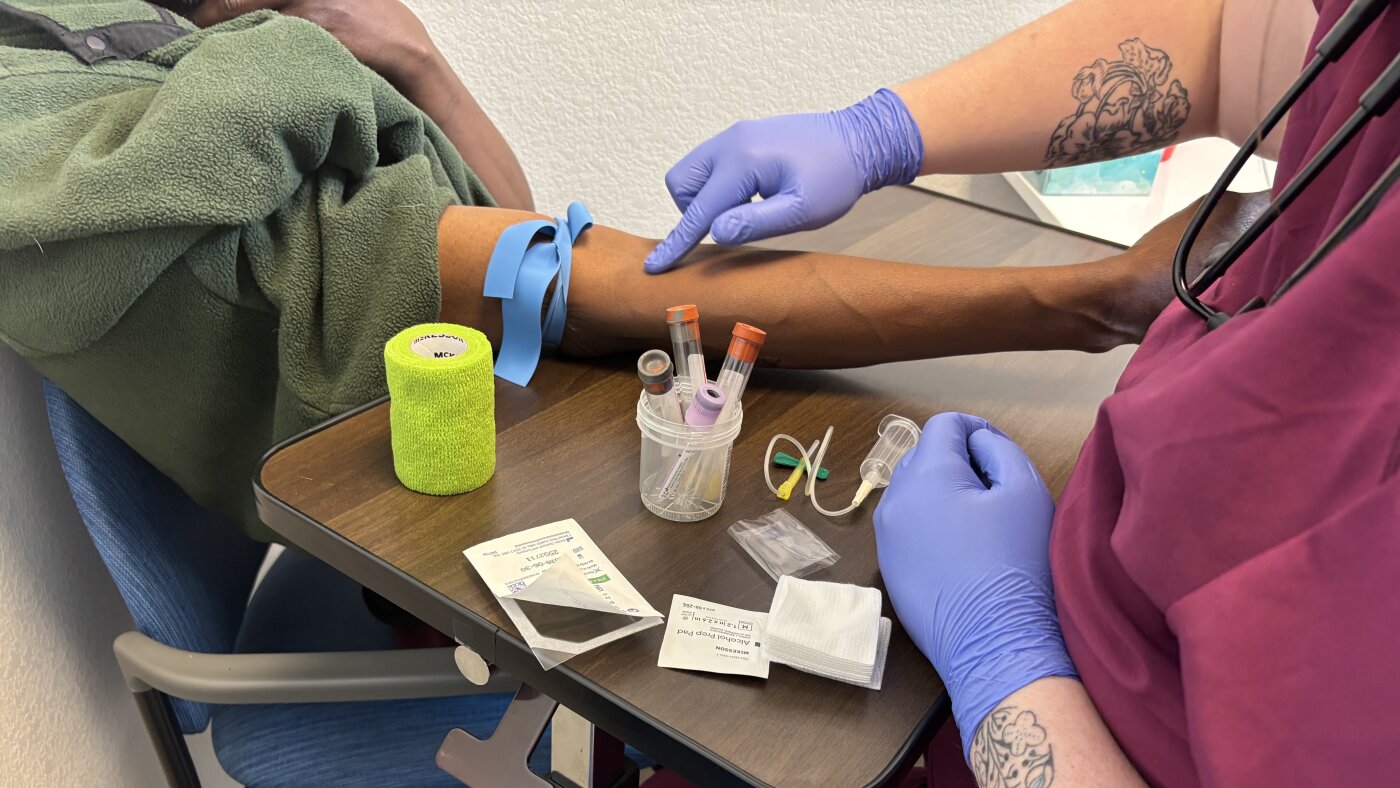
A key federal policy framework governing Medicaid work requirements has omitted individuals experiencing homelessness from its list of automatic exemptions, creating significant administrative hurdles for unhoused beneficiaries trying to maintain public health coverage. Conservative lawmakers and policy advocates who spearheaded the inclusion of work mandates in social safety-net programs long maintained that safeguards would be established to protect the nation's most vulnerable populations from losing access to care. However, federal guidelines specifying which groups are excused from reporting employment hours fail to include unhoused adults, according to reporting by Katheryn Houghton.
Omission in Federal Exemption Rules
Under work requirement frameworks, non-elderly adult Medicaid beneficiaries are mandated to document a set number of monthly hours dedicated to paid employment, job training, education, or community service to maintain their coverage. To prevent low-income individuals facing severe life disruptions from losing benefits, federal guidelines establish standardized exemption criteria.
Standard exemptions typically encompass individuals deemed medically frail, pregnant women, caregivers of young children, and individuals enrolled full-time in educational programs. Despite previous public assurances from conservative architects of the legislation that hardship exceptions would shield marginalized populations, the formal federal criteria omitted homelessness as a qualifying exemption category. As reported by Katheryn Houghton, this exclusion leaves unhoused adults subject to the same monthly verification procedures applied to the broader Medicaid expansion population.
Without a federal mandate carving out an explicit exemption for unhoused individuals, state agencies administering Medicaid programs must either apply standard work rules to individuals living in temporary shelters or unsheltered settings, or seek specialized federal waivers to create localized protections.
Administrative Hurdles and Paperwork Barriers
The absence of a targeted exemption presents distinct operational hurdles for unhoused beneficiaries. To satisfy federal work mandates, enrollees must regularly submit documentation proving employment status or verified community engagement hours. This process generally relies on stable access to physical mail, functional phone services, standard internet connections, and secure storage for personal identification and income documentation.
For individuals without permanent housing, maintaining consistent communication channels with state welfare agencies poses a structural challenge. Mail sent to shelter addresses or temporary residences is frequently delayed or returned as undeliverable. Furthermore, unhoused individuals often lack reliable access to online portals used by state agencies to track compliance, increasing the probability that eligible individuals will be disenrolled due to missing paperwork rather than non-compliance with the actual work standards.
Policy analysts note that administrative complexity is one of the leading causes of coverage loss under conditional benefit programs. When reporting mechanisms require formal employer signatures, physical pay slips, or recurring online verification, individuals experiencing acute housing instability face disproportionate risks of procedural denial.
Conservative Arguments and Safety-Net Policy
The drive to attach work reporting rules to Medicaid public insurance programs stems from a long-standing conservative policy movement aimed at restructuring social safety-net benefits. Proponents of conditional assistance argue that mandatory work participation encourages economic mobility, reduces public spending, and reserves social safety-net resources for those who are genuinely unable to work.
Conservative lawmakers have repeatedly asserted that work requirements are designed not to strip healthcare from vulnerable populations, but rather to incentivize able-bodied adults to re-enter the labor market or participate in vocational training. During legislative debates surrounding Medicaid reform, supporters highlighted that exemption frameworks would be crafted to ensure that individuals facing extreme personal hardships would not be unfairly penalised.
However, healthcare policy experts contend that omitting homelessness from the federal exemption list undermines these assurances. Securing and maintaining steady employment is exceptionally difficult without stable housing, access to sanitation facilities, public transit, and reliable contact information. Policy critics argue that requiring employment documentation prior to addressing basic housing security creates an administrative mismatch that can deepen economic instability.
Healthcare Access and Public Health Impacts
The loss of Medicaid coverage among unhoused populations carries widespread implications for public health systems and emergency healthcare providers. Low-income adults experiencing homelessness suffer from disproportionately high rates of chronic medical conditions, severe mental health disorders, and substance use issues compared to the general population.
Medicaid coverage enables unhoused individuals to access primary care, prescription medications, preventive services, and behavioral health treatments. When beneficiaries lose coverage due to administrative non-compliance, their primary point of care frequently shifts from outpatient clinics to hospital emergency departments. Emergency medical facilities are required by federal law to treat critically ill patients regardless of insurance status, but emergency care is substantially more costly than preventive or managed care.
Uninsured emergency room visits place heightened financial strain on safety-net hospitals, which are frequently required to absorb uncompensated care costs. Furthermore, interruptions in health coverage can disrupt ongoing medical treatments, leading to deteriorating health conditions, emergency hospitalizations, and escalated long-term medical expenditures for local communities.
State Implementations and Policy Outlook
As states begin implementing or modifying work requirements in accordance with federal guidelines, the practical impact on unhoused residents will largely depend on state-level administrative decisions and potential legal challenges. Some states may attempt to utilize existing administrative flexibility to streamline reporting processes or leverage internal state data to automatically verify employment or hardship status without requiring beneficiary action.
Healthcare advocates and public health organizations continue to push for explicit federal guidance that recognizes homelessness as a valid exemption category, arguing that administrative protections are essential to prevent widespread disenrollment among vulnerable populations. Concurrently, legal scholars anticipate potential litigation challenging the enforcement of work mandates that fail to adequately account for the systemic barriers faced by unhoused individuals.
As implementation proceeds across individual states, health officials and policy researchers will monitor disenrollment figures and emergency department utilization to evaluate the broader impact of the exemption rules on social safety nets.
This article includes reporting originally conducted by Katheryn Houghton.
How this story was produced
This report was written by The Global Wire newsroom from reporting first published by Katheryn Houghton. We verify the core facts against the original report, write our own account, and add the background and consequences a short wire item leaves out. Drafting is AI-assisted inside an editor-supervised pipeline, and every story is checked for accuracy of attribution, structure and duplication before it appears — full detail in our AI and funding disclosure.
Spotted an error? Tell us at corrections@horizonglobalnews.com and read our corrections policy or editorial standards.


Reader comments
Loading comments…