

Digital Outlets Continue Daily Hints and Solutions for NYT Wordle Puzzles
Media coverage of daily word games remains a staple of modern web publishing as players seek strategy guides and answer reveals for online puzzles.
By The Global Wire Newsroom · Reported from Suryadeepto Sengupta
Link preview · horizonglobalnews.com
Digital Outlets Continue Daily Hints and Solutions for NYT Wordle Puzzles
Media coverage of daily word games remains a staple of modern web publishing as players seek strategy guides and answer reveals for online puzzles.
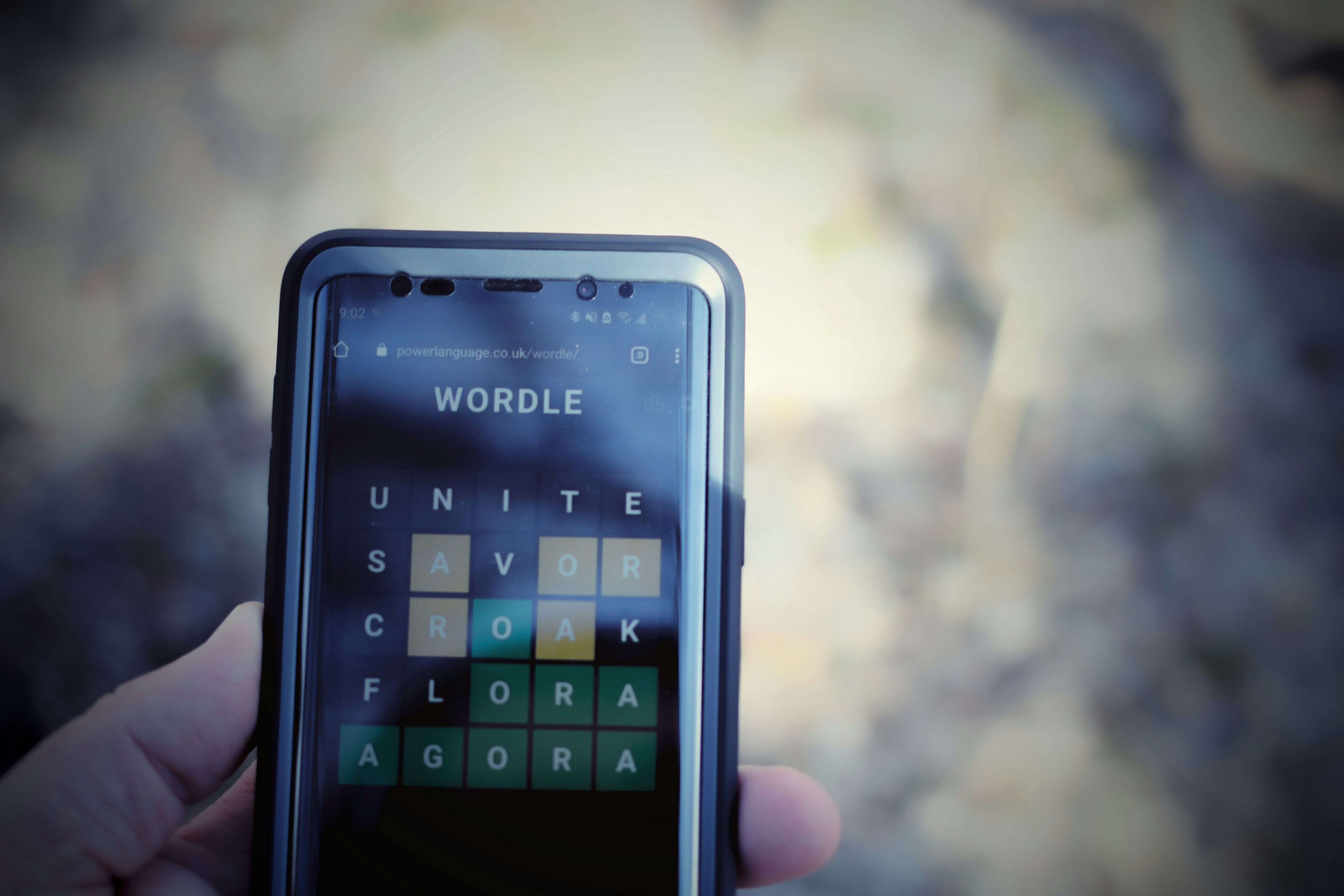
Digital media outlets continue to maintain extensive daily coverage dedicated to online word puzzles, reflecting the persistent global popularity of casual web games. Recent reporting published by Suryadeepto Sengupta provided targeted hints, strategic clues, and the definitive answer for The New York Times Wordle puzzle scheduled for August 20, 2026. The continuation of daily puzzle breakdown guides underscores how simple word games have integrated into the daily routines of millions of internet users and the editorial output of digital publishers worldwide.
Daily digital puzzle coverage
The practice of publishing daily hints and solution guides for web-based word games has become a specialized segment of digital media. Outlets routinely publish detailed breakdowns ahead of local midnight deadlines across global time zones, catering to players seeking varying degrees of assistance. As detailed in the report by Suryadeepto Sengupta, standard puzzle coverage typically offers incremental hints designed to assist readers without immediately revealing the final word.
These guides commonly organize clues into distinct structural tiers. Initial hints often detail general linguistic properties of the day's solution, such as the presence of repeated letters, the total number of vowels, or the starting and ending letters. Subsequent tiers may offer semantic definitions, parts of speech, or rhyming words. For players who remain unable to solve the grid within the allotted six attempts, the articles conclude with a direct reveal of the final answer. This structured presentation allows readers to control their exposure to spoilers while preserving the game's competitive element.
Mechanics and rules of Wordle
The core appeal of Wordle lies in its straightforward rules and limited daily commitment. The game presents players with a blank grid consisting of six rows of five boxes. Participants must guess a single hidden five-letter word selected by the game's internal system for that specific day.
After entering a valid five-letter English word, the game provides feedback through colored tiles. Green tiles indicate that a letter is correct and occupies the proper position within the word. Yellow tiles signify that a letter is present in the target word but currently sits in an incorrect position. Gray tiles demonstrate that a letter does not appear anywhere in the secret word.
Players rely on deductive logic, letter frequency analysis, and knowledge of common English phonetics to narrow down potential candidates with each successive guess. The software limits players to one puzzle per 24-hour cycle, a design choice that prevents excessive play and maintains a shared daily experience among the global player base. An optional hard mode setting requires players to use all previously revealed green and yellow letters in all subsequent attempts, adding an additional layer of tactical complexity.
History and acquisition by The New York Times
Wordle was originally developed by software engineer Josh Wardle in 2021 as a private guessing game for his partner. After introducing the game to his family, Wardle released it publicly on a simple, ad-free website in October 2021. The title experienced rapid organic growth, expanding from a few dozen active daily players in late 2021 to millions of daily participants within months.
A key driver of the game's initial viral spread was its minimalist social sharing feature. The tool allowed users to copy a graphic representation of their daily attempt grid using colored square emojis without revealing the actual letters. This enabled players to share their results on social media platforms and messaging applications without spoiling the answer for others.
In January 2022, The New York Times Company purchased Wordle from Wardle for an undisclosed price described as being in the low seven figures. The acquisition was part of a broader strategy by the media company to expand its digital games portfolio, which already included established offerings such as The New York Times Crossword and Spelling Bee. Following the acquisition, the publisher integrated Wordle into its central digital platform while keeping the core game free to play for registered and unregistered users.
Digital audience engagement and search trends
The integration of Wordle into daily media coverage represents a broader trend in search engine optimization and audience engagement strategies. Terms related to daily puzzle solutions consistently rank among the most frequently searched queries on major search engines.
Media organizations publish dedicated daily puzzle articles, such as the August 20, 2026 guide by Suryadeepto Sengupta, to capture high-intent digital traffic. These articles serve users who may be stuck on a specific attempt, looking to protect a long consecutive winning streak, or seeking post-game analysis of word difficulty. The consistent search volume generated by daily puzzle queries provides digital outlets with predictable daily traffic, leading many newsrooms to establish regular editorial workflows focused specifically on digital puzzle support.
The broader casual gaming landscape
Wordle’s success catalyzed a resurgence in daily casual gaming across traditional media platforms and independent game studios. Publishers have increasingly adopted the single-daily-puzzle model to drive app downloads, user registration, and digital subscription conversions.
The New York Times Games portfolio has expanded to include additional non-timed visual and word puzzles, such as Connections and Strands. Industry analysts note that daily casual games serve as an effective onboarding tool for news subscriptions, as users who engage with daily puzzles demonstrate higher retention rates across subscription platforms. Unlike microtransaction-driven mobile games that encourage prolonged play sessions, daily word puzzles emphasize brief, habit-forming interactions that fit neatly into morning routines or work breaks.
Looking ahead in daily word play
As online word games remain a fixture of digital culture, daily reporting and strategic guides continue to fulfill a consistent demand among online readers. The ongoing publication of daily hints and solutions—illustrated by the reporting from Suryadeepto Sengupta for August 20, 2026—demonstrates the sustained relevance of Wordle within the digital media ecosystem years after its initial viral breakout.
This report incorporates information originally published by Suryadeepto Sengupta.
How this story was produced
This report was written by The Global Wire newsroom from reporting first published by Suryadeepto Sengupta. We verify the core facts against the original report, write our own account, and add the background and consequences a short wire item leaves out. Drafting is AI-assisted inside an editor-supervised pipeline, and every story is checked for accuracy of attribution, structure and duplication before it appears — full detail in our AI and funding disclosure.
Spotted an error? Tell us at corrections@horizonglobalnews.com and read our corrections policy or editorial standards.





Reader comments
Loading comments…