

Congo Ebola Outbreak Fatality Toll Reaches 2,000 in Rapidly Expanding Health Crisis
Congolese health officials report more than 2,000 fatalities among confirmed cases in what has become the fastest-growing Ebola outbreak on record.
By The Global Wire Newsroom · Reported from ABC News
Link preview · horizonglobalnews.com
Congo Ebola Outbreak Fatality Toll Reaches 2,000 in Rapidly Expanding Health Crisis
Congolese health officials report more than 2,000 fatalities among confirmed cases in what has become the fastest-growing Ebola outbreak on record.
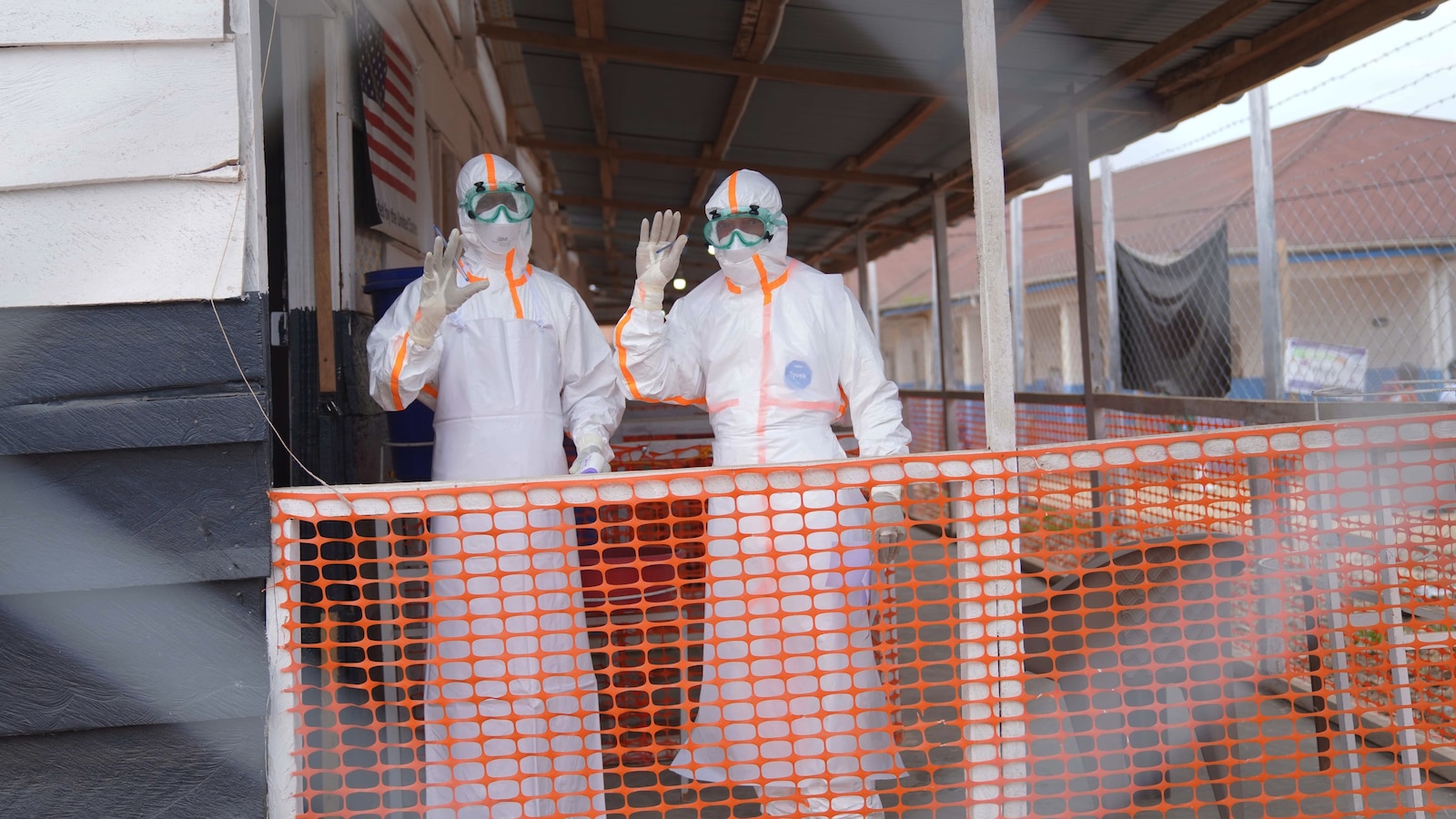
Health authorities in the Democratic Republic of the Congo have confirmed that the death toll from the ongoing Ebola outbreak has surpassed 2,000 individuals among confirmed cases, marking a grim milestone in an epidemic that experts identify as the fastest-growing on record. The figures, initially reported by ABC News following updates from Congolese government officials, highlight a severe escalation in the transmission rate of the deadly viral hemorrhagic fever across impacted health zones. Public health teams and international medical organizations are working to deploy emergency interventions to stem the spread, as the rapid pace of infection presents unprecedented operational challenges for local health infrastructure.
Scale of the Fatalities
According to reporting by ABC News, the death toll reached the 2,000 mark following a sustained period of high transmission rates, setting a new benchmark for the speed at which an Ebola outbreak has expanded. The cumulative fatalities reflect confirmed cases, suggesting that the broader impact on local communities could be even wider once suspected and probable infections are accounted for in regional field assessments.
Ebola virus disease, characterized by severe fever, internal and external bleeding, and systemic organ failure, carries a historically high fatality rate that frequently exceeds 50 percent in untreated cases. In the current outbreak, the velocity at which new infections and subsequent deaths have accumulated has outpaced prior epidemiological models, forcing health responders to continuously adapt their clinical capacity and field surveillance measures.
Government data cited by ABC News indicates that despite ongoing efforts to isolate patients and administer therapeutic treatments, the pathogen has continued to breach community containment zones. The high mortality total underscores the acute danger posed to front-line healthcare workers, family caregivers, and individuals participating in traditional burial practices, all of which remain primary vectors for human-to-human transmission.
Epidemiological Challenges
The designation of this outbreak as the fastest-growing on record reflects key metrics monitored by epidemiologists, including the transmission velocity of the virus and the interval between successive cases. When an outbreak expands at an accelerated rate, the window for effective contact tracing shrinks dramatically, making it increasingly difficult for health workers to identify and monitor everyone who has been exposed to a confirmed case.
Infectious disease experts point out that rapid expansion in an Ebola outbreak typically stems from a combination of dense population clusters, delayed initial detection, and high mobility between affected communities. In regions with limited road networks and sparse medical facilities, patients often present to treatment centers at advanced stages of the disease, when viral loads are highest and the potential for transmission to family members or transport providers is elevated.
Furthermore, managing an outbreak of this speed requires a massive, continuous influx of medical supplies, personal protective equipment, and specialized personnel. When transmission accelerates, local isolation wards can become quickly overwhelmed, increasing the risk of hospital-acquired infections among clinical staff and non-Ebola patients seeking care for other health conditions.
Regional Health Infrastructure
The Democratic Republic of the Congo has a long history of dealing with Ebola virus disease, having been the site where the virus was first identified in 1976 near the Ebola River. Over the past several decades, the nation has experienced numerous outbreaks, developing significant institutional experience and specialized field protocols for managing the disease. However, the current iteration has severely tested even these seasoned emergency response systems due to its unprecedented rate of spread.
Health infrastructure in the country faces chronic shortages of funding, trained medical staff, and essential diagnostic equipment, particularly in rural and remote regions. Many health clinics operate without reliable electricity, clean running water, or sufficient stocks of personal protective gear. These systemic vulnerabilities complicate routine infection prevention and control practices, creating environments where viral transmission can persist undetected before public health authorities are alerted.
Additionally, provinces across the nation have historically contended with broader humanitarian challenges, including poverty, community displacement, and complex security dynamics. While public health agencies maintain established protocols for viral containment, executing these strategies under difficult operational conditions remains a recurring challenge for national health authorities and partner organizations.
Containment Strategies and Public Health Response
To combat the accelerating spread and reduce the mortality rate, emergency response teams rely on a multi-pronged strategy centered around early diagnosis, strict patient isolation, ring vaccination, and safe burial practices. According to reporting by ABC News, public health personnel continue to prioritize rapid laboratory testing to confirm suspected cases and clear uninfected individuals from isolation centers.
Ring vaccination—a strategy that involves vaccinating contacts of confirmed patients, as well as the contacts of those contacts—serves as a primary tool to create buffer zones of immunity around active transmission clusters. When combined with targeted medical interventions, such as therapeutics that have proven effective in reducing mortality when administered early, health workers aim to sever chains of transmission.
Community engagement remains equally critical to response efforts. Experience from previous outbreaks demonstrates that public trust is essential for effective contact tracing, safe transport of sick individuals to treatment centers, and the conduct of dignified, safe burials that prevent contact with infectious bodily fluids. Health communications teams are working to address misinformation, reduce stigma associated with the disease, and encourage individuals displaying symptoms to seek immediate medical care.
Outlook for Outbreak Control
As the death toll passes 2,000, international health agencies and national leadership face an urgent imperative to scale up resources and stabilize containment zones. Restraining the growth rate of the outbreak will require sustained financial investment, expanded diagnostic coverage, and intensified logistical support to ensure supplies reach remote clinical posts without interruption.
Epidemiologists emphasize that slowing the trajectory of the fastest-growing outbreak on record depends on reducing the delay between symptom onset and clinical isolation. If response teams can successfully reduce community-based transmission, the surge in severe cases may begin to plateau, allowing healthcare facilities to provide higher ratios of supportive care and improve patient survival rates.
For now, health officials in the Democratic Republic of the Congo remain on high alert, working to halt further expansion of the disease while treating those currently infected. The coming weeks will be decisive in determining whether emergency containment measures can successfully curb the transmission velocity of this record-breaking outbreak.
This article includes reporting originally published by ABC News.
How this story was produced
This report was written by The Global Wire newsroom from reporting first published by ABC News. We verify the core facts against the original report, write our own account, and add the background and consequences a short wire item leaves out. Drafting is AI-assisted inside an editor-supervised pipeline, and every story is checked for accuracy of attribution, structure and duplication before it appears — full detail in our AI and funding disclosure.
Spotted an error? Tell us at corrections@horizonglobalnews.com and read our corrections policy or editorial standards.


Reader comments
Loading comments…