

Canadian MP Hosts Vaccine Injury Inquiry as Witness Details Severe Pain
Testimony presented at an unofficial inquiry organized by MP Dean Allison highlighted personal accounts of severe neurological and physical pain following COVID-19 vaccination.
By The Global Wire Newsroom · Reported from ET Online
Link preview · horizonglobalnews.com
Canadian MP Hosts Vaccine Injury Inquiry as Witness Details Severe Pain
Testimony presented at an unofficial inquiry organized by MP Dean Allison highlighted personal accounts of severe neurological and physical pain following COVID-19 vaccination.
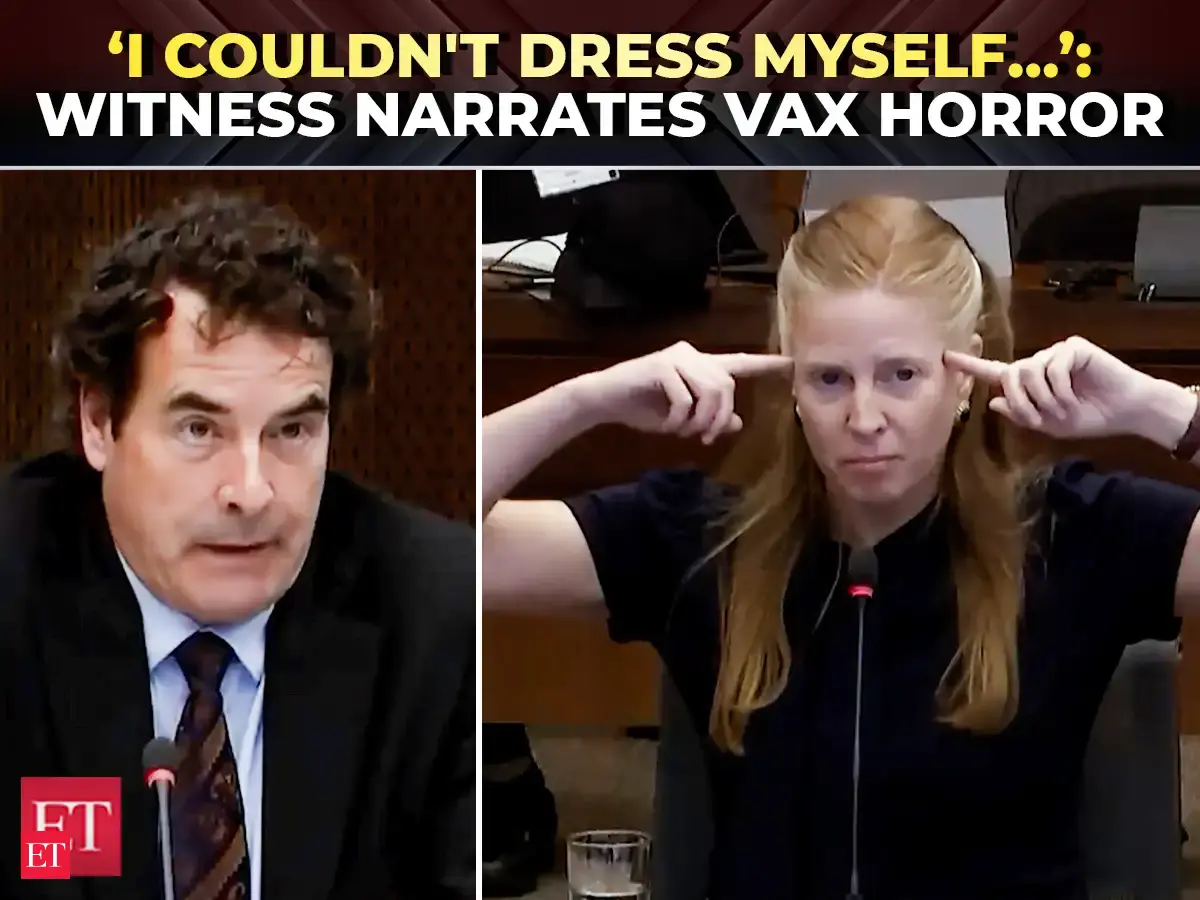
A witness testifying at a public hearing on COVID-19 vaccine side effects organized by Canadian Member of Parliament Dean Allison described experiencing severe, debilitating pain and physical impairment that she stated began following her immunization. Testifying before the panel, Stéphanie Giguère gave a detailed account of suffering intense symptoms that rendered her unable to carry out routine daily tasks, including dressing herself, and caused continuous physical distress. The proceeding forms part of a series of unofficial, politician-led forums convened outside formal parliamentary proceedings to gather accounts from individuals who assert they experienced adverse reactions to COVID-19 vaccines and encountered difficulties obtaining medical recognition or financial redress through standard administrative channels.
Key facts
What happened
During the inquiry sessions convened by Ontario Member of Parliament Dean Allison, witnesses were called to present personal testimonies concerning health complications they attributed to COVID-19 vaccinations. According to reporting by ET Online, witness Stéphanie Giguère provided a personal account centered on the rapid onset of debilitating physical symptoms and intense bodily pain following her vaccination.
In her testimony, Giguère detailed how the sudden deterioration of her health severely restricted her mobility and personal autonomy. She described reaching a state of physical incapacity where standard daily operations became impossible without assistance, explicitly stating that she could no longer dress herself. Illustrating the extremity of her pain, Giguère recalled feeling so overwhelmed by the intensity of the physical suffering that she felt driven to extreme distress, describing a moment where the pain was so agonizing she contemplated banging her head against stairs to distract from the physical sensation.
The inquiry organized by Allison was structured to allow individuals to put their experiences on record outside the formal committee framework of the Canadian House of Commons. These sessions featured direct accounts from citizens who expressed frustration with medical diagnostics, safety monitoring frameworks, and public health responses. Throughout the hearing, participants detailed the challenges they faced when seeking medical evaluation for multi-system pain, neurological disturbances, and chronic symptoms that appeared subsequent to receiving their vaccine doses. The testimony given by Giguère highlighted the psychological and physical burden reported by individuals who claim their post-vaccination health problems were inadequately addressed by established healthcare providers and regulatory oversight bodies.
Why it matters
The accounts presented at public hearings such as Dean Allison's inquiry underscore ongoing tensions between centralized public health policies and individual claims of adverse medical outcomes. While global public health authorities and regulatory agencies maintain that authorized COVID-19 vaccines possess a strong safety profile and that severe adverse events are statistically rare, individual testimonies of severe injury raise critical policy questions regarding patient support, diagnostic protocols, and administrative compensation.
For healthcare institutions and public policy makers, public statements describing unmanaged severe pain highlight potential gaps in clinical response frameworks for post-vaccination complications. When patients report feeling dismissed or untreated by primary care networks, public trust in broader healthcare infrastructure can erode. This dynamic can drive individuals toward alternative forums, non-governmental inquiries, or political campaigns to seek validation and redress.
From an administrative standpoint, these hearings draw attention to the operation and accessibility of formal compensation systems. In Canada, the federal Vaccine Injury Support Program (VISP) was created to provide financial support to individuals who sustain serious and permanent injuries from Health Canada-authorized vaccines administered on or after December 8, 2020. However, public claims regarding delays in processing times, stringent causality standards, and high evidentiary burdens have led critics and patient advocates to argue that existing financial and medical safety nets are difficult to navigate for individuals experiencing complex, non-standard symptoms.
Furthermore, political inquiries led by individual parliamentarians shape the legislative debate surrounding public health transparency, safety surveillance methodologies, and the scope of government support programs. By elevating personal stories into public records, these forums maintain pressure on health ministries to continuously review adverse event tracking mechanisms and ensure transparent disclosure of post-market surveillance data.
The background
Dean Allison has served as the Member of Parliament for the Ontario riding of Niagara West (formerly Niagara West—Glanbrook) since 2004 as a member of the Conservative Party of Canada. Over the course of the COVID-19 pandemic, Allison emerged as one of several federal lawmakers advocating for greater scrutiny of government pandemic measures, vaccine mandates, and public health reporting. Independent inquiries organized by parliamentarians or citizen groups—such as the National Citizens Inquiry in Canada—have operated outside the official jurisdiction of parliamentary standing committees, functioning instead as community-sponsored or MP-hosted public forums.
During the mass immunization effort initiated in response to the COVID-19 pandemic, Canada’s federal, provincial, and territorial governments oversaw the distribution of millions of vaccine doses, predominantly utilizing mRNA technology developed by Pfizer-BioNTech and Moderna, alongside viral vector platforms developed by AstraZeneca and Janssen. To monitor product safety, the Public Health Agency of Canada (PHAC) relies on the Canadian Adverse Events Following Immunization Surveillance System (CAEFISS), a passive surveillance network that collects reports from local public health units, healthcare professionals, vaccine manufacturers, and the public. In parallel, active surveillance networks such as the IMPACT system monitor pediatric hospital admissions for adverse events.
An Adverse Event Following Immunization (AEFI) is defined medically as any untoward medical occurrence that follows vaccination, which does not necessarily have a causal relationship with the usage of the vaccine. While the vast majority of reported events are mild and transient—such as localized soreness, fatigue, or low-grade fever—rare serious adverse events have been recognized globally by regulatory bodies like Health Canada, the U.S. Food and Drug Administration (FDA), and the European Medicines Agency (EMA). These rare conditions include myocarditis and pericarditis (inflammation of the heart muscle or surrounding sac), Guillain-Barré syndrome (a neurological disorder), and thrombosis with thrombocytopenia syndrome (a rare blood clotting condition associated with viral vector vaccines).
Prior to 2021, Quebec was the only Canadian province with a dedicated, permanent vaccine injury compensation framework, established in 1987. In December 2020, the federal government announced the establishment of the pan-Canadian Vaccine Injury Support Program (VISP), which officially began accepting claims in June 2021. The program operates independently under the management of Raymond Chabot Grant Thornton and evaluates claims using an independent medical review board to determine whether a causal link exists between vaccination and severe, permanent injury.
Reaction
Public health officials and medical experts consistently maintain that post-market safety monitoring for COVID-19 vaccines is among the most comprehensive in medical history. Health Canada and provincial chief medical officers of health regularly reiterate that the benefits of COVID-19 vaccination in preventing severe illness, hospitalization, and death substantially outweigh the statistical risks of rare severe adverse reactions. Regulatory authorities stress that individual clinical cases claiming adverse events must undergo rigorous medical review, including diagnostic testing and objective clinical evaluations, to establish definitive causation rather than temporal coincidence.
Conversely, patient advocacy organizations and independent parliamentarians advocating for vaccine-injured individuals argue that public health agencies have been slow to acknowledge complex, lingering neurological and inflammatory conditions. Members of advocacy groups involved in documenting adverse events contend that primary care physicians frequently lack standardized clinical guidance to diagnose post-vaccination complications, leaving affected patients without clear treatment pathways. In legislative forums, backbench MPs and critics have called on the federal government to streamline the VISP claims process, increase funding for specialized diagnostic clinics, and publish more detailed, real-time disaggregations of adverse event surveillance data to ensure full public transparency.
What we don't know yet
Several specific details regarding the testimony presented at the inquiry remain unverified in the public record. Based on available reporting from ET Online, the specific clinical diagnoses, medical history, and official diagnostic reports underlying Stéphanie Giguère’s account were not detailed. Because informal public inquiries do not conduct formal cross-examination or independent audit of medical records, the objective clinical etiology of her symptoms has not been independently verified in the published material.
It also remains unknown whether Giguère submitted a formal adverse event report through her local public health unit to the Canadian Adverse Events Following Immunization Surveillance System (CAEFISS) or filed an official application for financial compensation under the Vaccine Injury Support Program (VISP). Additionally, public health authorities have not issued specific statements regarding the individual cases presented during MP Dean Allison's inquiry, as government agencies typically do not comment on personal health records or unofficial hearing proceedings due to privacy legislation and formal administrative protocols.
What to watch
Key developments to monitor in the coming months include the potential release of a consolidated summary or final report from Dean Allison and participating organizers detailing findings and recommendations from their vaccine injury hearings. Observational focus will also center on future statistical reports published by Canada’s Vaccine Injury Support Program (VISP), which periodically releases updated figures on total claims received, approved cases, financial disbursements, and common diagnostic categories among accepted applicants.
In the political arena, observers will watch whether members of parliament introduce formal petitions, private members' bills, or motions in the House of Commons seeking legislative reform of vaccine oversight mechanisms or expanded funding for long-term adverse reaction care. Finally, public health tracking reports updated routinely by Health Canada and the Public Health Agency of Canada will provide ongoing comparative data on adverse events following immunization across all demographic groups.
This report relies on underlying coverage and reporting provided by ET Online regarding the testimony presented at the vaccine injury inquiry.
How this story was produced
This report was written by The Global Wire newsroom from reporting first published by ET Online. We verify the core facts against the original report, write our own account, and add the background and consequences a short wire item leaves out. Drafting is AI-assisted inside an editor-supervised pipeline, and every story is checked for accuracy of attribution, structure and duplication before it appears — full detail in our AI and funding disclosure.
Spotted an error? Tell us at corrections@horizonglobalnews.com and read our corrections policy or editorial standards.





Reader comments
Loading comments…