

Apple Faces $5.7 Billion Patent Verdict as Tech Giant Prepares Federal Appeal
A federal jury has delivered a $5.7 billion damages award against Apple in an intellectual property dispute, setting up a lengthy appellate battle over one of the largest patent verdicts ever.
By The Global Wire Newsroom · Reported from Jackson Chen
Link preview · horizonglobalnews.com
Apple Faces $5.7 Billion Patent Verdict as Tech Giant Prepares Federal Appeal
A federal jury has delivered a $5.7 billion damages award against Apple in an intellectual property dispute, setting up a lengthy appellate battle over one of the largest patent verdicts ever.
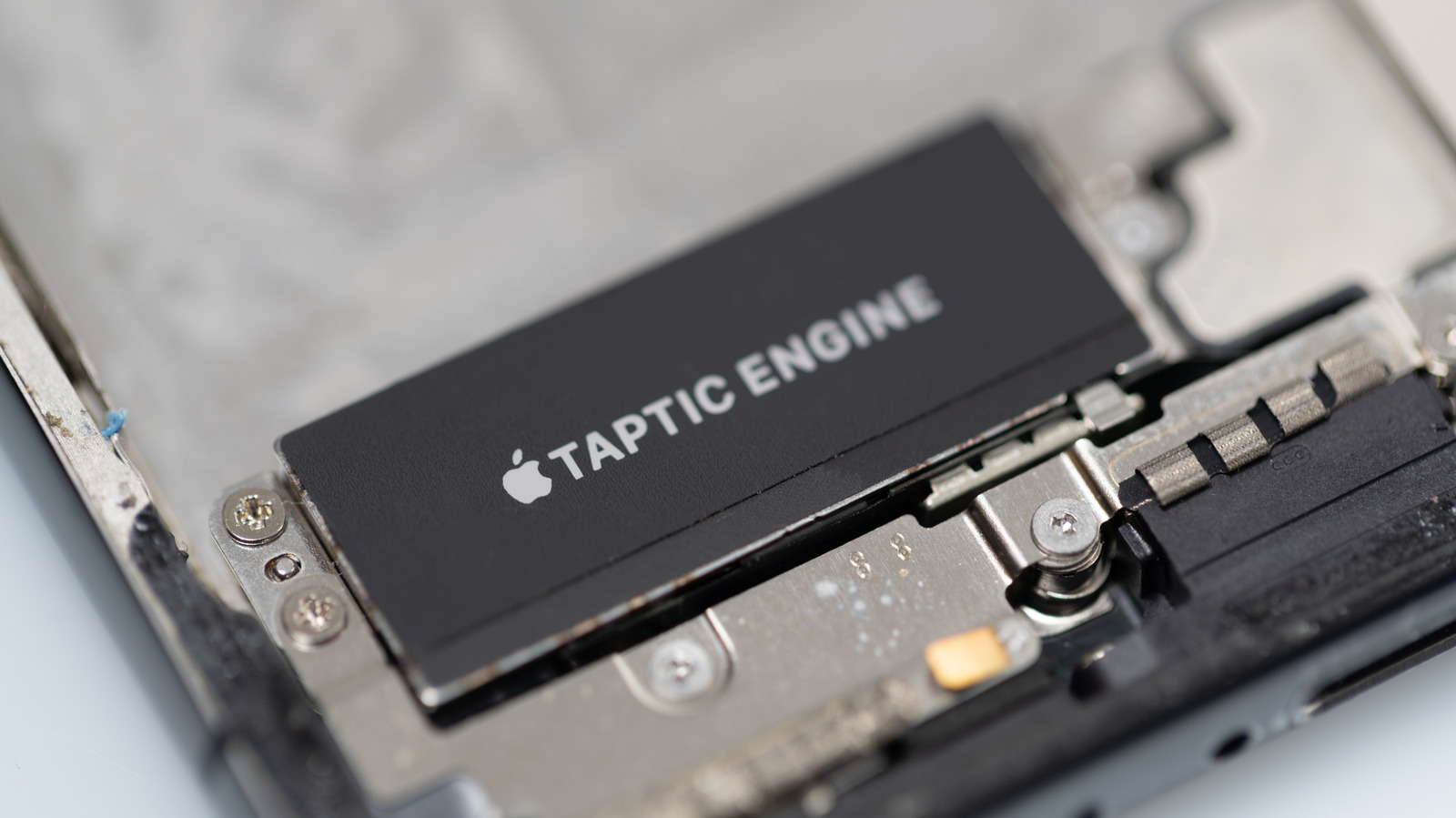
A federal jury has delivered a $5.7 billion patent infringement verdict against Apple Inc., dealing the technology giant one of the largest legal judgment setbacks in corporate history. The decision, reported by Engadget on September 26, 2026, requires the Cupertino, California-based company to pay billions in damages for allegedly incorporating protected technology into its consumer devices without proper licensing. Apple has indicated that it plans to appeal the jury's decision, launching what is expected to be a prolonged challenge in the United States appellate court system.
Key facts
What happened
According to reporting by Engadget, a jury found Apple liable for unauthorized use of patented technology and set the financial penalty at $5.7 billion. The trial concluded with the jury determining that Apple infringed upon valid patent claims, resulting in the massive monetary assessment.
When federal juries calculate damages in intellectual property trials, they typically rely on two statutory metrics under Title 35 of the United States Code: lost profits sustained by the patent owner or a hypothetical "reasonable royalty" that the parties would have negotiated prior to the infringement. The $5.7 billion sum reflects an extraordinary assessment of commercial valuation, indicating that the technology at issue spans a widely deployed hardware component, software feature, or cellular communication protocol across Apple's high-volume product lines.
Following the delivery of the verdict, Apple confirmed its intention to seek an appeal. The immediate procedural path requires the trial judge to formally enter judgment on the verdict. Before an appeal can reach a higher tribunal, Apple will file post-trial motions requesting the presiding district judge to overturn the verdict or substantially decrease the damages figure. If the district court judge upholds the jury's determination, Apple will lodge a formal appeal with the appellate courts.
Why it matters
An adverse judgment of $5.7 billion represents a substantial financial liability, even for an enterprise of Apple's scale. While Apple maintains one of the largest corporate balance sheets globally—often holding over $50 billion in cash, cash equivalents, and marketable securities—a figure of this magnitude directly impacts quarterly operating margins, net cash flow, and shareholder equity reserves. Tech firms faced with multi-billion-dollar liabilities frequently must establish formal legal reserves or purchase supersedeas bonds to secure the judgment amount while an appeal is actively litigated.
Beyond direct balance sheet exposure, the verdict underscores the escalating commercial stakes of intellectual property litigation in the global technology sector. Modern smartphones, personal computers, and wearable devices rely on thousands of overlapping patents covering microprocessors, wireless communication standards, display interfaces, and security encryption. A damages award exceeding five billion dollars signals that juries are increasingly willing to assess severe financial consequences for uncompensated standard-essential or core utility patents.
For institutional investors and industry competitors, the outcome highlights the operational risks inherent in high-volume device manufacturing. If upheld, such awards establish legal benchmarks for reasonable royalty rates across the industry, effectively raising the cost of technology deployment for device makers. Conversely, if the verdict is substantially reduced or overturned on appeal—as frequently occurs in mega-verdict intellectual property disputes—it reinforces the formidable procedural defense strategies available to mega-cap technology corporations.
The background
Intellectual property litigation has long defined the competitive landscape of consumer electronics. Over the past two decades, Apple has navigated numerous high-stakes patent battles against individual patent holding entities, specialized component designers, and major global rivals.
In 2012, a federal jury in California awarded Samsung Electronics $1.05 billion after finding that the South Korean manufacturer had infringed upon Apple's iPhone design and software interface patents. That landmark case traversed multiple appeals, remands, and a review by the United States Supreme Court before the parties ultimately settled years later for a fraction of the original sum. Similarly, long-running litigation with network technology firm VirnetX resulted in over a decade of trials, appeals, and administrative reviews over VPN and FaceTime functionality, eventually leading to reduced payments following extensive court proceedings.
More recently, Apple faced serious commercial disruption from medical technology firm Masimo Corporation over pulse oximetry sensors incorporated into the Apple Watch. That dispute triggered an order from the United States International Trade Commission (ITC) in late 2023 that temporarily halted imports of specific Apple Watch models into the United States in early 2024, forcing Apple to disable the oxygen-monitoring software feature on domestic units to maintain commercial sales.
United States patent law operates under a specialized regulatory and judicial framework. Federal district courts handle initial civil trials, but administrative challenges regarding patent validity are frequently conducted before the Patent Trial and Appeal Board (PTAB), a tribunal within the United States Patent and Trademark Office (USPTO). Parallel proceedings before the PTAB allow defendants to contest whether the asserted patents should ever have been issued, based on prior art or obviousness. Furthermore, all federal patent appeals are concentrated in a single specialized circuit court—the United States Court of Appeals for the Federal Circuit—which exercises binding legal oversight on patent interpretation and royalty methodologies.
Historically, trial court judgments of several billion dollars face rigorous appellate scrutinization. The Federal Circuit frequently examines whether trial judges correctly instructed juries on damages methodologies, strictly enforcing rules that prevent patent holders from claiming royalties on an entire device when the patented invention constitutes only a discrete component.
Reaction
Following the verdict, Apple made clear its plans to challenge the jury's decision through the federal appellate system. Corporate legal teams in major patent suits typically assert that the patents in question are either invalid, not infringed, or that the calculated damages are unsupportable by economic evidence.
The opposing litigation counsel and patent owners typically petition the court to validate the jury's verdict, seek pre-judgment interest on the calculated damages, and request the court to declare the case "exceptional" under 35 U.S.C. § 285, which can allow for the recovery of attorney fees. In cases where willful infringement is found by a jury, trial judges also hold the statutory discretion to increase damages awards by up to three times the actual assessed amount.
Financial markets routinely monitor such major intellectual property verdicts for potential earnings adjustments, though initial stock market reactions are often muted by the understanding that federal appellate processes routinely take two to three years to reach final disposition.
What we don't know yet
The initial summary from Engadget leaves several essential legal specifics unconfirmed. The exact identity of the plaintiff or patent entity that brought the lawsuit is not detailed in the available summary, nor are the specific patent numbers or functional technologies at issue in the courtroom.
Additionally, the reporting does not specify which United States District Court venue presided over the trial. Venues such as the Eastern District of Texas, the District of Delaware, and the Northern District of California maintain sharply contrasting judicial precedents regarding jury instructions, evidentiary standards, and patent owner success rates.
It also remains unconfirmed whether the jury issued a finding of "willful infringement." A finding of willful conduct opens the legal door for the trial judge to consider treble damages, which could theoretical push Apple's potential monetary exposure far higher. Finally, it is not yet clear whether the plaintiff has sought an injunction to block the sale or importation of the infringing Apple hardware or software within the United States market.
What to watch
In the immediate term, legal observers will watch for the official entry of judgment by the presiding federal district court judge, which will set strict statutory deadlines for post-trial practice. Under Rule 50 and Rule 59 of the Federal Rules of Civil Procedure, Apple will have a 28-day window post-judgment to file formal motions for Judgment as a Matter of Law (JMOL) or a motion for a new trial and remittitur, asking the judge to set aside the verdict or lower the damages sum.
In parallel, court filings should be monitored for concurrent proceedings at the USPTO Patent Trial and Appeal Board. If Apple has filed Inter Partes Review (IPR) petitions challenging the validity of the asserted patent claims, decisions from the PTAB could render the underlying patents void, which would invalidate the civil damages verdict regardless of the jury's finding.
Once post-trial motions are decided by the trial judge, Apple will formally lodge its Notice of Appeal with the United States Court of Appeals for the Federal Circuit. Docketing at the Federal Circuit will initiate a briefing process expected to extend over 12 to 18 months, culminating in oral arguments before a three-judge appellate panel in Washington, D.C. Finally, Apple's upcoming quarterly financial disclosures (Form 10-Q or Form 10-K filed with the U.S. Securities and Exchange Commission) will indicate whether the company takes a formal accounting charge or legal loss contingency reserve related to the $5.7 billion award.
Reporting on the verdict and Apple's intent to appeal was first published by Engadget author Jackson Chen.
How this story was produced
This report was written by The Global Wire newsroom from reporting first published by Jackson Chen. We verify the core facts against the original report, write our own account, and add the background and consequences a short wire item leaves out. Drafting is AI-assisted inside an editor-supervised pipeline, and every story is checked for accuracy of attribution, structure and duplication before it appears — full detail in our AI and funding disclosure.
Spotted an error? Tell us at corrections@horizonglobalnews.com and read our corrections policy or editorial standards.

Reader comments
Loading comments…