

Microsoft Unifies Copilot Suite into Single Application Across Office, Coding, and Automation
Microsoft has combined its fragmented Copilot tools into a single app featuring Chat, Cowork, Office, coding, and Autopilot capabilities, though key features remain in preview.
By The Global Wire Newsroom · Reported from Paulo Vargas
Link preview · horizonglobalnews.com
Microsoft Unifies Copilot Suite into Single Application Across Office, Coding, and Automation
Microsoft has combined its fragmented Copilot tools into a single app featuring Chat, Cowork, Office, coding, and Autopilot capabilities, though key features remain in preview.
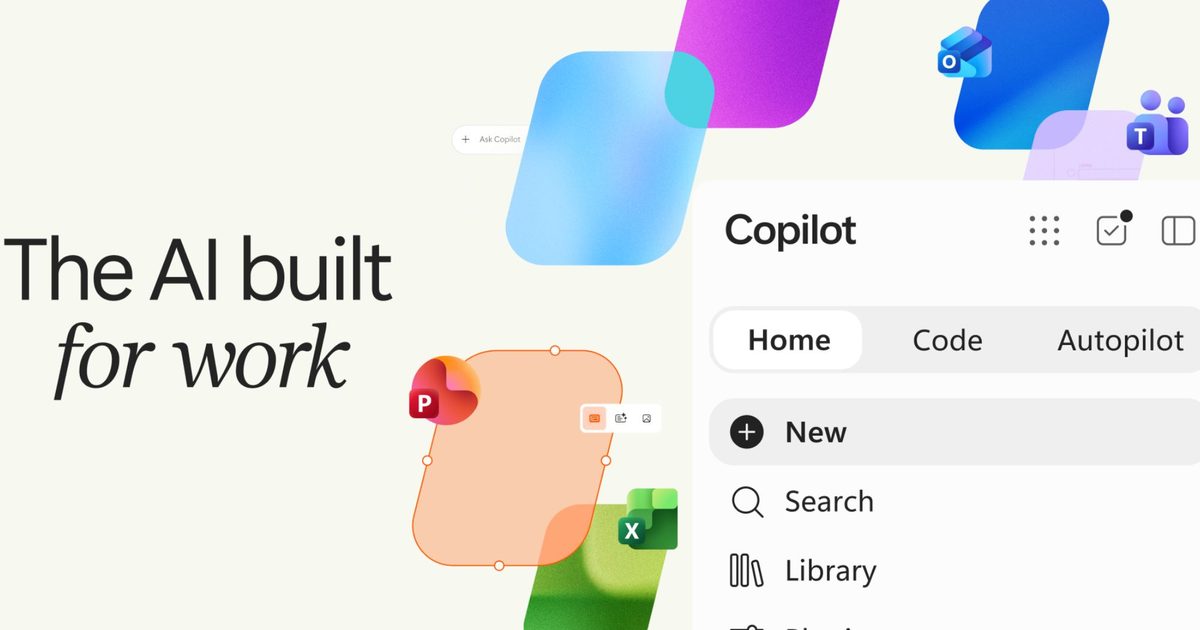
Microsoft has launched a redesigned, consolidated Copilot application aimed at unifying its disparate artificial intelligence tools under a single software interface, according to reporting by Paulo Vargas published on September 25, 2026. The centralized application brings together conversational AI capabilities through Chat, collaborative tools in Cowork, document generation and analysis across Office apps, developer support through coding tools, and autonomous task execution via Autopilot. Although the release marks a significant effort to streamline Microsoft's fragmented AI product ecosystem, several of the platform's most advanced automated features remain limited to preview builds rather than full commercial availability.
Key facts
What happened
The release of the unified Copilot client represents a fundamental structural reorganization of how Microsoft delivers artificial intelligence features to both enterprise and consumer end users. Rather than requiring customers to interact with separate Copilot plugins, browser sidebars, and dedicated web portals, the new application aggregates Microsoft's primary AI offerings into a single desktop and mobile hub.
As detailed in the reporting by Paulo Vargas, the consolidated application is organized around five primary operational pillars:
However, the debut of the consolidated app is marked by a phased functional rollout. According to Vargas, several of the most ambitious features—particularly high-level multi-step process automation in Autopilot and cross-functional workspace orchestration in Cowork—are currently restricted to preview builds. Users accessing the consolidated hub will find basic text generation and standard document interaction active, but autonomous agent capabilities remain behind preview flags, requiring administrator authorization or special testing access before deployment.
Why it matters
The consolidation of Microsoft's AI tools into a single client carries broad implications for enterprise information technology management, end-user productivity, and competition across the broader technology industry.
From an enterprise IT administration perspective, managing generative AI deployments across corporate networks has proven challenging due to fragmented licensing structures, inconsistent user interfaces, and separate security perimeters across different software products. A single application allows IT administrators to centralize access management, apply uniform data loss prevention policies, and maintain consistent security auditing across conversational chat, document generation, and software development workflows.
For end users, tool fragmentation has historically hindered daily adoption of artificial intelligence features. Forcing workers to switch between dedicated web windows, operating system sidebars, and application-specific plugins creates cognitive friction that reduces workflow efficiency. By bringing Chat, Cowork, Office tools, coding assistants, and Autopilot into one client, Microsoft aims to make artificial intelligence an accessible, persistent element of daily digital work.
In the competitive landscape, this launch represents Microsoft's strategic attempt to establish an integrated desktop and cloud AI environment that competitors like Google, OpenAI, and Anthropic will find difficult to replicate. While competitors have concentrated primarily on web-based conversational agents or targeted browser extensions, Microsoft is using its footprint across operating systems and enterprise productivity applications to create a unified workflow hub. However, the decision to launch with critical features locked in preview status highlights the persistent technical complexity of deploying safe, reliable autonomous AI agents at scale.
The background
To fully understand the necessity of this application consolidation, it is helpful to examine the rapid expansion of Microsoft’s artificial intelligence portfolio following its multi-billion-dollar partnership with OpenAI.
Starting in early 2023 with the launch of Bing Chat—later rebranded simply as Copilot—and the expansion of GitHub Copilot for programmers, Microsoft initiated an aggressive strategy to embed AI capabilities across its entire software ecosystem. Over the subsequent three years, the company introduced specialized Copilot tools for almost every major product line, including Microsoft 365 Copilot for Office apps, Windows Copilot for the desktop operating system, Security Copilot for cybersecurity teams, Dynamics 365 Copilot for enterprise resource management, and Copilot Studio for building custom corporate agents.
While this rapid rollout established Microsoft as a market leader in enterprise AI deployment, it created substantial confusion among corporate buyers and individual users. The "Copilot" brand became an umbrella term covering dozens of separate software components with differing prices, technical requirements, and functional scopes. A user working with Copilot in Windows experienced a different interface and capability set than a colleague utilizing a Microsoft 365 Copilot subscription within Word or Excel. Furthermore, developer tools operating under GitHub Copilot functioned separately from general corporate administrative workflows.
Industry analysts frequently noted that enterprise clients struggled to manage data boundary policies and calculate ROI across fragmented Copilot subscriptions. As autonomous AI agents—systems capable of executing complex sequences of actions independently—began to emerge, IT managers increasingly demanded central visibility over what automated scripts were executing within their networks.
The creation of the consolidated application reported by Paulo Vargas reflects Microsoft's recognition that product proliferation had created unnecessary complexity, driving the need for a single, standardized client comparable to previous efforts to consolidate team communication into Microsoft Teams.
Reaction
The launch of the consolidated Copilot app has generated varied responses across IT management circles and industry analysts.
Enterprise technology managers have expressed initial approval of Microsoft's effort to streamline software administration. System administrators have noted that controlling user access, monitoring data flows, and implementing compliance policies will be significantly easier through a unified application than through separate add-on modules across individual Office applications and developer environments.
Conversely, technology analysts and software preview testers have voiced frustration over the continued reliance on preview tags for major functionality. Software deployment teams face fatigue from vendors announcing broad software platforms while holding core autonomous features in long-term testing phases. Industry observers note that corporate clients may delay large-scale rollouts of Autopilot and Cowork tools until Microsoft demonstrates that autonomous task execution operates with consistent accuracy and robust enterprise-grade security controls.
Formal evaluations and feedback from corporate IT buyers are expected during upcoming technology conferences and developer events, where enterprise leaders will seek clearer timelines and detailed guidance on migrating legacy licenses to the unified client.
What we don't know yet
Despite the details provided regarding the new consolidated platform, several key operational questions remain unanswered:
First, exact commercial pricing and licensing structures for the unified application have not been fully outlined. It is currently unclear whether full access to the unified client will be included in existing Microsoft 365 enterprise subscription tiers or if advanced modules like Autopilot and developer coding tools will carry additional per-user fees or consumption-based costs.
Second, Microsoft has not provided a definitive schedule for when features currently in preview testing will reach full general availability. The specific timeline for transitioning complex automated workflows within Autopilot into production-ready software remains unspecified.
Third, system resource requirements for running the unified client across older corporate computer hardware fleets have not been detailed. Additionally, it remains to be seen how regional data governance rules, such as the European Union's strict data sovereignty mandates, will be enforced across the unified app's interconnected modules.
What to watch
In the coming months, several key development milestones will indicate the trajectory of Microsoft's unified Copilot app strategy:
This news report is based on reporting published by Paulo Vargas on September 25, 2026.
How this story was produced
This report was written by The Global Wire newsroom from reporting first published by Paulo Vargas. We verify the core facts against the original report, write our own account, and add the background and consequences a short wire item leaves out. Drafting is AI-assisted inside an editor-supervised pipeline, and every story is checked for accuracy of attribution, structure and duplication before it appears — full detail in our AI and funding disclosure.
Spotted an error? Tell us at corrections@horizonglobalnews.com and read our corrections policy or editorial standards.




Reader comments
Loading comments…