

West Indies Level T20I Series Against India with 24-Run Victory in Hyderabad
The West Indies defeated India by 24 runs in Hyderabad on Wednesday to level their five-match T20I series at 2-2, setting up a decisive fifth encounter.
By The Global Wire Newsroom · Reported from Sai Krishna
Link preview · horizonglobalnews.com
West Indies Level T20I Series Against India with 24-Run Victory in Hyderabad
The West Indies defeated India by 24 runs in Hyderabad on Wednesday to level their five-match T20I series at 2-2, setting up a decisive fifth encounter.
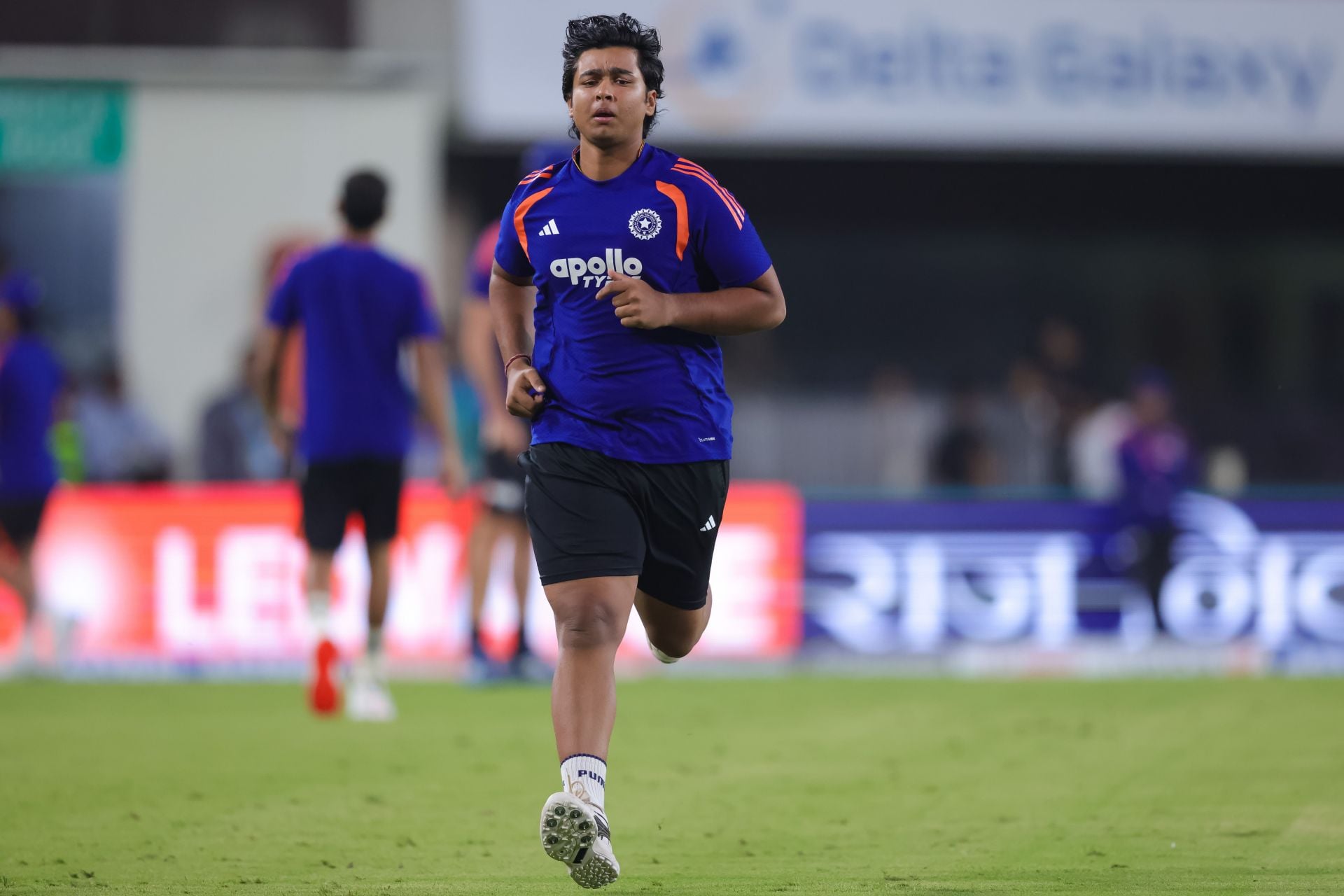
HYDERABAD, India — The West Indies men's cricket team secured a 24-run victory over India in the fourth Twenty20 International on Wednesday, October 14, at the Rajiv Gandhi International Stadium, leveling the five-match bilateral contest at two victories apiece. The defeat leaves the host nation facing a winner-take-all fifth encounter, abruptly shifting the momentum of a series that now hinges entirely on the final fixture. With the ledger tied at 2-2, the outcome in Hyderabad halts India's opportunity to close out the contest on home soil and forces both technical staffs to evaluate squad composition ahead of the concluding match.
Key facts
What happened
The fourth match of the five-game bilateral series between India and the West Indies concluded in Hyderabad on Wednesday with the touring side asserting authority in a high-stakes, 20-over encounter. Defending their tally under lights at the Rajiv Gandhi International Stadium, the Caribbean side restricted India's batting lineup to complete a 24-run win, according to reporting by sports analyst Sai Krishna.
The victory by the West Indies restored parity in what had developed into a tightly contested series, nullifying India's advantage and pushing the aggregate scoreline to 2-2. Neither side had managed to establish an unassailable lead entering the fourth fixture, but the hosts held the opportunity to seal the series outright had they chased or defended successfully. Instead, the 24-run defeat in Telangana dismantled that ambition.
While the initial reporting recorded the ultimate margin of victory and the venue, it did not release the specific innings totals, the toss decision, or individual bowling and batting figures. However, the final margin of 24 runs reflects a distinct shortfall in India's scoring rate during the contest, indicating that the West Indies bowling unit maintained discipline across the middle and concluding overs to suppress Indian boundary production. The result sets up the fifth and final encounter of the tour as a winner-take-all decider, placing heightened focus on team selection and tactical configurations on both sides.
Why it matters
The leveling of the series carries measurable operational, athletic, and institutional implications for both cricket boards. In modern international white-ball scheduling, five-match Twenty20 International series represent a substantial commitment within the International Cricket Council Future Tours Programme. When a bilateral contest extends to a fifth-match decider, commercial viewership, stadium attendance, and broadcast values escalate substantially, transforming what might have been a routine dead rubber into a live, high-pressure competitive environment.
For the Board of Control for Cricket in India, a home series loss to the West Indies in the twenty-over format carries considerable prestige implications. India's domestic ecosystem, bolstered by the wealth and depth of the Indian Premier League, is widely expected by domestic supporters and international observers to dominate home conditions. A defeat across five matches on home soil tests the tactical depth of the national squad and sharpens critical evaluation of squad rotation policies.
Conversely, for Cricket West Indies, competing on equal terms in an away series against India represents a vital competitive benchmark. The West Indies national team has historically drawn its international reputation from success in the shortest international format, having captured two Men's T20 World Cup titles in 2012 and 2016. Sustaining a 2-2 parity entering a decider in India reaffirms the touring unit's global competitiveness in white-ball cricket and bolsters confidence across their administration. Furthermore, the outcome forces India's team management to confront immediate selection dilemmas rather than resting established players, directly influencing long-term succession planning and youth integration.
The background
Bilateral relations between India and the West Indies in short-format cricket date back to their earliest Twenty20 meetings following the inaugural ICC World Twenty20 in South Africa in 2007. Over the ensuing two decades, the rivalry has evolved within a rapidly shifting international calendar dominated by franchise leagues. The Caribbean side historically possessed some of the format's most explosive boundary hitters, whereas Indian cricket developed an expansive talent pipeline through structured state associations, the Ranji Trophy, and the Indian Premier League.
The Rajiv Gandhi International Stadium in Hyderabad, which served as the battleground for the fourth match, is among India's major international venues. Established in 2003 under the administration of the Hyderabad Cricket Association, the facility features an official seating capacity of approximately 55,000 spectators. Historically, the playing surface in Hyderabad has favored batting while offering gradual assistance to spin bowlers as the pitch wears, demanding disciplined execution from visiting bowling attacks.
Selection discussions surrounding the fifth fixture have centered on India's strategic lineup adjustments, notably involving teenage batting sensation Vaibhav Sooryavanshi, according to reporting by Sai Krishna. Born in March 2011 in the state of Bihar, Sooryavanshi gained widespread national attention when he made his first-class Ranji Trophy debut for Bihar in January 2024 at just 12 years of age. His subsequent performances for the India Under-19 national setup and his selection during high-profile professional player auctions marked him as one of the most precocious talents in the sport's modern history. In bilateral series where senior personnel are rested or tactical adjustments are warranted following a defeat, team selectors and analysts frequently weigh the introduction of such young prospects to revitalize top-order scoring rates and assess their readiness for highest-level international competition.
Reaction
Following the fourth-match outcome, official statements from team management, captains, and board officials had not yet been formally published in the initial dispatch. However, the standard post-match protocol within International Cricket Council sanctioned events requires both team captains to address match proceedings during the televised presentation ceremony and subsequent media briefings.
In standard post-fixture press conferences, the winning touring captain typically reviews how tactical plans were executed against India's batting order, while the Indian team leadership is called upon to address run-chase deficits, bowling discipline in death overs, and the pressure surrounding squad selection. Independent analysts and cricket commentators across Indian broadcast networks immediately initiated discussions regarding prospective squad changes, with Sai Krishna highlighting potential alterations including the introduction of Sooryavanshi to recalibrate the host side's competitive balance for the decider.
What we don't know yet
Significant operational and technical details regarding the fourth Twenty20 International remain unconfirmed in the reporting currently available. The initial dispatch omitted the complete scorecard, leaving unrecorded the total runs scored by each side, the number of wickets lost, the individual top run-scorers, and the leading wicket-takers of the evening. It is also unknown whether either side suffered in-game injuries that could influence availability for the concluding match.
Furthermore, it remains unconfirmed whether Indian national selectors and team management will formally alter their starting eleven for the series finale or retain their established combination despite the 24-run loss. While analytical commentary by Sai Krishna identified potential changes involving young batting prospects like Sooryavanshi, the team's formal team sheet will only be made official at the toss of the fifth fixture. The precise date, time, and host venue for that final contest were also absent from the initial wire report.
What to watch
The immediate point of focus is the release of the official team sheets at the toss for the decisive fifth Twenty20 International. Observers will monitor whether the Indian coaching staff and captain decide to make changes to their top-order batting and bowling combinations in response to the Hyderabad defeat, or if they preserve lineup continuity for the high-stakes match.
Tactical adjustments by the West Indies will also bear careful scrutiny. Having defended their total in Hyderabad, visiting strategists must decide whether their bowling plans and boundary-hitting tempo can be replicated at the venue hosting the fifth match. Pitch assessments, atmospheric conditions, and the potential presence of evening dew will dictate whether the captain winning the toss elects to bat first or field. In parallel, statements from the Board of Control for Cricket in India regarding squad selections and potential debuts will signal how the national team balances short-term victory with long-term youth development.
This report incorporates information first reported by sports journalist Sai Krishna.
How this story was produced
This report was written by The Global Wire newsroom from reporting first published by Sai Krishna. We verify the core facts against the original report, write our own account, and add the background and consequences a short wire item leaves out. Drafting is AI-assisted inside an editor-supervised pipeline, and every story is checked for accuracy of attribution, structure and duplication before it appears — full detail in our AI and funding disclosure.
Spotted an error? Tell us at corrections@horizonglobalnews.com and read our corrections policy or editorial standards.






Reader comments
Loading comments…