

Pope Leo XIV Scheduled for Lung Surgery in Rome Following Vatican Announcement
Pope Leo XIV will undergo surgery on Tuesday morning to remove a lump from his lung, the Vatican announced on Monday, marking a major medical event for Catholic Church leadership.
By The Global Wire Newsroom · Reported from Agence France Presse
Link preview · horizonglobalnews.com
Pope Leo XIV Scheduled for Lung Surgery in Rome Following Vatican Announcement
Pope Leo XIV will undergo surgery on Tuesday morning to remove a lump from his lung, the Vatican announced on Monday, marking a major medical event for Catholic Church leadership.
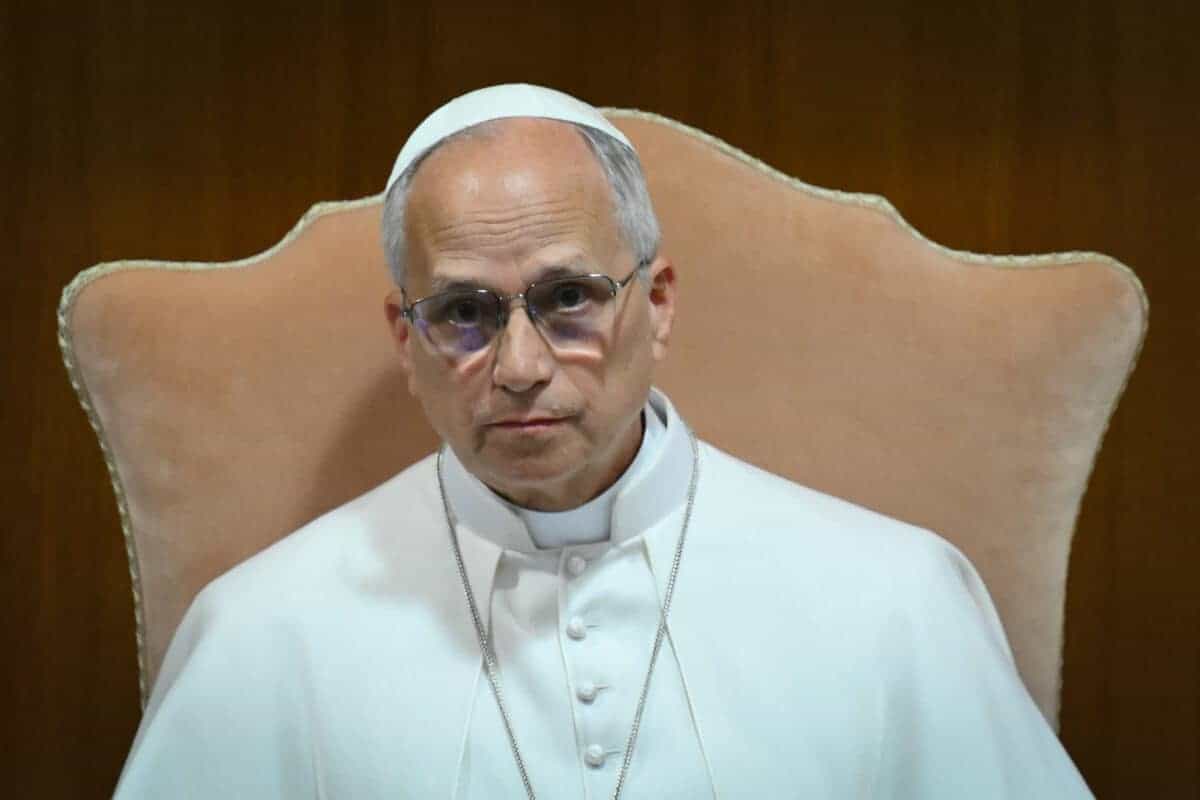
Pope Leo XIV is scheduled to be admitted to a hospital on Tuesday morning to undergo surgery for the removal of a lump discovered in his lung, according to an official statement issued by the Vatican. The Holy See announced the planned medical procedure on Monday, October 12, 2026, setting the stage for a critical health intervention for the leader of the Roman Catholic Church. The brief notification indicated that the pontiff would enter the clinical facility early the following day for the targeted thoracic operation, though initial church communications did not specify the exact medical institution or provide a detailed breakdown of the expected recovery timeline.
Key facts
What happened
On Monday, October 12, 2026, the Vatican released an official statement announcing that Pope Leo XIV would be admitted to a hospital on Tuesday morning to undergo surgery to remove a lump from his lung. The report, relayed internationally by Agence France Presse, framed the hospitalization as a scheduled medical procedure rather than an emergency response.
The announcement provided the foundational details of the planned procedure while withholding broader clinical specifics. Pulmonary surgeries typically involve preoperative evaluation, general anesthesia, and an extended post-operative recovery period during which the patient is monitored for potential surgical or respiratory complications. By scheduling the admission for Tuesday morning, church officials indicated that the decision was made in consultation with the pontiff's medical advisors following diagnostic evaluations.
In standard Holy See administrative practice, health updates concerning the reigning pope are managed directly through the Holy See Press Office in coordination with the personal physician to the pope and the attending surgical team. The initial disclosure identified the presence of a localized lump within the lung as the primary medical reason for the intervention, but it did not provide diagnostic information regarding when the mass was first discovered or what preliminary tests had been performed prior to the decision to operate.
Why it matters
A surgical intervention involving the head of the Roman Catholic Church has immediate organizational, institutional, and spiritual implications across the globe. As the Bishop of Rome, the sovereign of Vatican City State, and the supreme leader of an estimated 1.3 billion Catholic faithful worldwide, Pope Leo XIV holds absolute executive, legislative, and judicial power within the church's central governance structure. The temporary incapacity or hospitalization of the pontiff naturally affects the administrative pacing of the Vatican Curia and the execution of pontifical responsibilities.
Under Catholic canon law, there is no constitutional mechanism for an "acting pope" or an automatic delegation of supreme authority during periods when the pontiff is under anesthesia or undergoing medical treatment. While everyday administrative governance continues through the Roman Curia—led by the Secretariat of State—major pontifical actions remain strictly dependent on the pope himself. These include the promulgation of papal encyclicals and apostolic exhortations, the formal appointment of bishops to dioceses worldwide, the approval of major Vatican dicastery decisions, and the holding of private and public diplomatic audiences.
The medical event also impacts the Holy See's extensive diplomatic network. The Vatican maintains full diplomatic relations with more than 180 countries, and the pontiff regularly receives foreign heads of state, ambassadors, and international delegations at the Apostolic Palace. A planned hospitalization forces the temporary suspension or rescheduling of these official state encounters, alongside the weekly general audiences held in St. Peter's Square that draw tens of thousands of pilgrims and visitors. Furthermore, any surgery on an incumbent pope serves as a focal point of intense concern for Catholic communities, bishops' conferences, and religious orders globally.
The background
The handling of papal health announcements has evolved significantly over the past century, moving from historical opacity toward greater public disclosure. In earlier centuries, information regarding a pope's physical illnesses was closely guarded within the apostolic palace, often revealed to the public only when a pontiff was near death. However, modern communication standards and global media interest have transformed how the Holy See communicates clinical developments involving the Bishop of Rome.
Historically, major hospitalizations of reigning popes have centered on primary medical institutions in Rome equipped for specialized surgery and acute care. Most notably, Agostino Gemelli University Hospital, affiliated with the Catholic University of the Sacred Heart, has long served as the primary medical facility for pontifical care. Pope John Paul II was admitted to Gemelli Hospital on ten separate occasions during his pontificate, beginning with emergency treatment following the May 1981 assassination attempt and continuing through surgeries for intestinal conditions, orthopedic procedures, and acute respiratory failure in early 2005. The hospital maintained a dedicated medical suite reserved exclusively for the pope on its tenth floor, leading John Paul II to refer to the facility as "Vatican II."
Papal health management operates within a precise canonical and legal framework. Under the Code of Canon Law, Canon 335 governs situations where the Roman See is vacant or completely impeded. A "Sede Impedita" (impeded see) refers to a scenario where the pope is fully prevented from exercising his pastoral office due to captivity, exile, or total physical or mental incapacity, rendering him incapable of communicating even by letter. However, standard clinical interventions—such as planned surgical operations under anesthesia or short hospital stays—do not constitute an impeded see in canon law. Instead, routine administrative matters are managed by the Cardinal Secretary of State and the heads of Vatican dicasteries, while major sovereign decisions are simply paused until the pontiff resumes active duty following his recovery.
Reaction
Following the publication of the Vatican's statement, reactions from global religious bodies, Catholic faithful, and international diplomatic communities are expected to emerge as details of the surgery circulate. Standard church protocol calls for national bishops' conferences, including the United States Conference of Catholic Bishops, the Council of European Bishops' Conferences, and regional assemblies across Latin America, Africa, and Asia, to call for special prayers for the pontiff's health and recovery.
At the time of the initial reporting by Agence France Presse, specific official statements from individual cardinals, foreign heads of state, or civic leaders had not been detailed in the summary. During previous papal hospitalizations, messages of sympathy and recovery wishes have traditionally been sent by foreign governments, international bodies, and interfaith leaders. Church authorities in Rome typically restrict formal public commentary on medical procedures until the Holy See Press Office issues official post-operative bulletins detailing the surgery's outcome.
What we don't know yet
Despite the announcement of the scheduled surgery, several critical pieces of clinical and logistical information remain unknown:
What to watch
Key developments in the coming days will provide clarity on the pontiff's health status and the institutional operations of the Vatican:
This report incorporates information originally reported by Agence France Presse.
How this story was produced
This report was written by The Global Wire newsroom from reporting first published by Agence France Presse. We verify the core facts against the original report, write our own account, and add the background and consequences a short wire item leaves out. Drafting is AI-assisted inside an editor-supervised pipeline, and every story is checked for accuracy of attribution, structure and duplication before it appears — full detail in our AI and funding disclosure.
Spotted an error? Tell us at corrections@horizonglobalnews.com and read our corrections policy or editorial standards.




Reader comments
Loading comments…