

Vincent Pastore, Character Actor Known for 'The Sopranos,' Dies at 80
Actor Vincent Pastore, best known for playing mobster Salvatore Bonpensiero on HBO's 'The Sopranos,' has died at age 80.
By The Global Wire Newsroom · Reported from Ryan Schwartz
Link preview · horizonglobalnews.com
Vincent Pastore, Character Actor Known for 'The Sopranos,' Dies at 80
Actor Vincent Pastore, best known for playing mobster Salvatore Bonpensiero on HBO's 'The Sopranos,' has died at age 80.
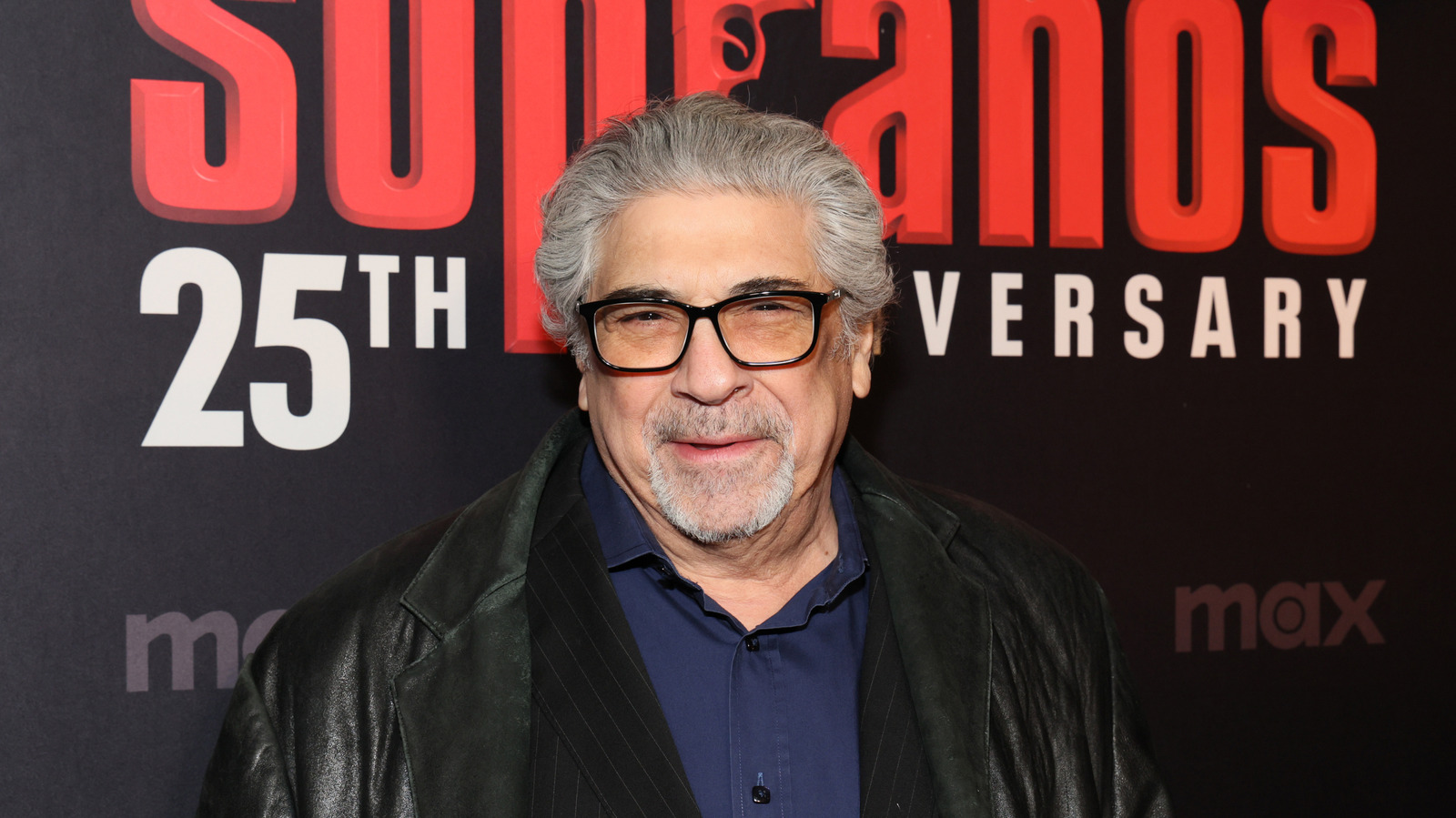
Vincent Pastore, the American character actor who gained widespread recognition for his portrayal of mafia soldier Salvatore "Big Pussy" Bonpensiero on the HBO television drama The Sopranos, has died at the age of 80, according to reporting by digital news outlet TVLine.
What happened
The news of Pastore's death was reported by TVLine on August 1, 2026. The outlet confirmed the passing of the veteran performer, whose screen career in film and television spanned several decades and was prominently highlighted by his work during the early seasons of HBO's flagship mob drama.
While specific details regarding the cause or location of his death were not immediately made public in the initial reports, Pastore leaves behind a distinct legacy in American television, having served as one of the defining faces of premier cable programming during the late 1990s and early 2000s.
The role of Salvatore Bonpensiero
Pastore’s most widely recognized performance came as Salvatore "Big Pussy" Bonpensiero, a loyal associate and mobster within the fictional DiMeo crime family operating in northern New Jersey. On The Sopranos, created by showrunner David Chase, Bonpensiero served as a central figure during the show’s foundational storylines.
As part of the core ensemble surrounding series protagonist Tony Soprano, portrayed by the late James Gandolfini, Pastore helped establish the grounded realism that came to define the series. His character’s narrative arc—struggling with personal loyalties to his associates while operating under pressure as a secret law enforcement informant—became one of the television drama's earliest and most critically recognized central conflicts.
Through his work on the series, Pastore depicted the personal and psychological strains inherent in organized crime narratives. The character of Bonpensiero helped establish the template for high-stakes serialized drama on subscription television networks, illustrating how the medium could explore moral ambiguity and narrative tension over extended multi-episode arcs.
Context within 'The Sopranos' and modern television
When The Sopranos premiered on HBO in January 1999, it marked a major structural shift in modern American television. Prior to the late 1990s, prime-time television drama was predominantly defined by episodic procedural programming broadcast on terrestrial networks. The Sopranos helped establish the modern era of prestige cable television, characterized by serialized storytelling, complex antihero figures, and expansive ensemble casts.
Pastore’s featured work in the drama occurred during a period when subscription cable networks were redefining their artistic identity. The portrayal of suburban mobsters in New Jersey offered a departure from traditional cinematic mafia depictions, combining domestic family life with organized crime. Ensemble actors like Pastore provided essential texture to the production, anchoring the narrative world with distinct, regional characterizations.
The critical and commercial impact of the series contributed to expanded investments in original serialized dramas by major networks throughout the 2000s and 2010s. Media historians regularly cite the original cast of The Sopranos as a milestone in American television history, noting the role played by supporting actors in building the show's lasting footprint.
The evolving landscape of HBO and premium cable
The late 1990s marked a period of transformation for subscription cable channels. HBO, which had previously built its network reputation on theatrical feature films and live sporting events, shifted heavily into original scripted television to distinguish its subscription service from standard broadcast channels.
The development of original drama series required performers capable of delivering nuanced, naturalistic portrayals within non-traditional television formats. Performers who filled these key supporting roles helped shape the network's identity around complex, character-driven storytelling. The success of these early original series paved the way for the growth of high-budget serialized programming across subscription and streaming services in the years that followed.
The role of the American character actor
Pastore belonged to a longstanding tradition of American character actors whose distinct physical presence and vocal delivery allowed them to fill specialized roles across television, film, and theater. Frequently cast in crime sagas, police procedurals, and urban dramas, character actors provide the essential supporting framework for multi-character ensemble productions.
Throughout the late 20th and early 21st centuries, American crime fiction relied heavily on performers who brought authentic regional presence to stories set in metropolitan centers across the northeastern United States. Performers like Pastore became familiar presences across projects capturing the atmosphere of New York and New Jersey street life, working-class communities, and organized crime narratives.
Beyond individual roles, supporting character actors serve a crucial narrative function by providing environmental depth around central characters. Pastore's work reflected the key role that supporting ensemble members play in establishing the tone, believable setting, and narrative weight of dramatic television.
Retrospective and cultural footprint
In the years following the conclusion of The Sopranos, the series maintained a continuous presence in global media culture. Streaming platforms and syndication introduced the show to subsequent generations of viewers, sustaining the public visibility of the early cast members.
Critical retrospectives examining the series frequently emphasize the foundational character arcs of the early seasons, including Pastore's role as Bonpensiero, as essential elements in the overall construction of the show. Media analysts point to those early storylines as crucial in setting up the broader themes of trust, systemic pressure, and betrayal that carried through the remainder of the series.
Pastore's artistic contributions remain tied to a transformative moment in television history, during which cable networks expanded the possibilities of narrative television and altered viewer expectations for serialized drama.
Reporting for this story was originally published by TVLine.
How this story was produced
This report was written by The Global Wire newsroom from reporting first published by Ryan Schwartz. We verify the core facts against the original report, write our own account, and add the background and consequences a short wire item leaves out. Drafting is AI-assisted inside an editor-supervised pipeline, and every story is checked for accuracy of attribution, structure and duplication before it appears — full detail in our AI and funding disclosure.
Spotted an error? Tell us at corrections@horizonglobalnews.com and read our corrections policy or editorial standards.




Reader comments
Loading comments…