

US Strikes Iranian Air Defenses as Tehran Considers Qatari De-Escalation Plan
The US military hit Iranian air defense sites in a swift strike as Tehran reviews a mediation framework from Qatar designed to defuse escalating regional confrontation.
By The Global Wire Newsroom · Reported from SECTIONS US military carries out new targeted strike
Link preview · horizonglobalnews.com
US Strikes Iranian Air Defenses as Tehran Considers Qatari De-Escalation Plan
The US military hit Iranian air defense sites in a swift strike as Tehran reviews a mediation framework from Qatar designed to defuse escalating regional confrontation.
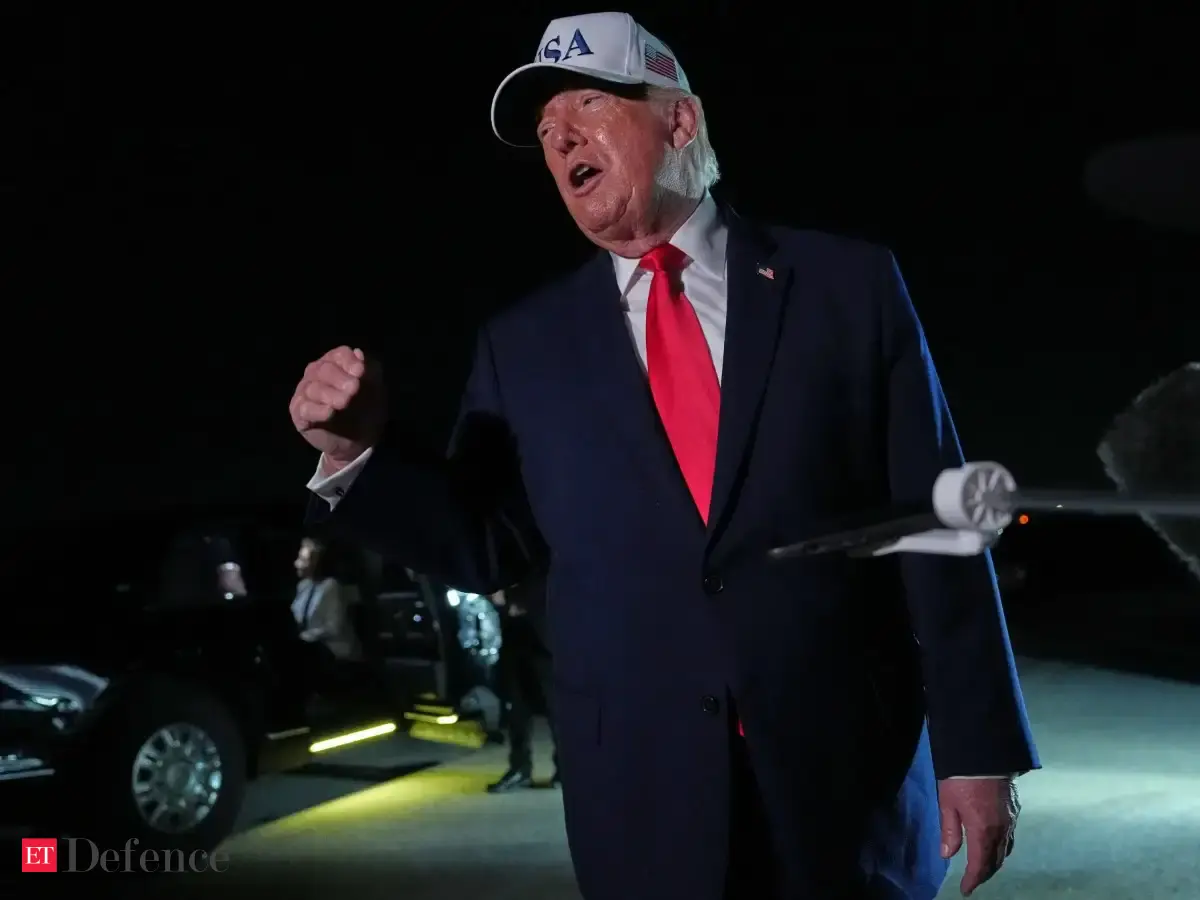
The United States Armed Forces launched a targeted military strike against Iranian air defense systems on November 7, 2026, marking a significant escalation in regional hostilities even as international intermediaries sought to negotiate a peaceful resolution. United States President Donald Trump announced the operation shortly after its execution, characterizing the intervention as a minor and highly efficient tactical measure that concluded within minutes. The kinetic action unfolded against the backdrop of sustained geopolitical strain between Washington and Tehran, occurring at the precise moment that Iranian state leadership was evaluating a formal diplomatic framework presented by Qatar to reconcile bilateral grievances.
Key facts
What happened
According to reporting by SECTIONS, United States military units carried out an operation aimed directly at degrading air defense installations situated inside Iranian territory. The operation was designed to neutralize specific defensive assets rather than hit broad military commands or civil infrastructure. President Donald Trump publicly addressed the operation, noting that the entire kinetic engagement was strictly circumscribed, executed with tactical efficiency, and completed within a matter of minutes.
In standard military doctrine, targeted actions against an adversary's integrated air defense system are conducted utilizing precision-guided munitions deployed from naval combatants or stand-off aircraft operating outside heavily contested radar cones. Such strikes target radar installations, missile batteries, and command nodes to diminish the defensive posture of the opposing military. The administration did not immediately provide a detailed inventory of the weapons systems employed, nor did it disclose the precise launch platforms used in the assault.
While the military operation unfolded, parallel diplomatic maneuvers were underway in the Persian Gulf. Qatari diplomats, acting in their established role as an intermediary between Western governments and Tehran, delivered a set of formal proposals to Iranian authorities. These proposals were specifically drafted to address the underlying political and security disputes driving the current confrontation. Iranian leadership had taken the Qatari documents under official review, setting off internal deliberations regarding potential compromises just as American ordnance was deployed against Iranian defensive positions.
Why it matters
The direct execution of military strikes on sovereign Iranian soil, regardless of how limited or swift the Pentagon describes them, alters the deterrence dynamic in the Middle East and carries direct consequences for international security and economic stability. By striking defensive systems, the United States has demonstrated a readiness to bypass intermediary diplomatic friction and apply direct kinetic force to the Iranian mainland. This heightens the risk of miscalculation, where localized strikes can trigger unintended retaliatory cycles that pull regional allies, naval task forces, and non-state actors into an expanded conflict.
For international commerce and global energy markets, any direct confrontation in or around the Persian Gulf immediately elevates market risk premiums. The Strait of Hormuz, an essential maritime bottleneck situated between Iran and the Arabian Peninsula, serves as the transit corridor for approximately twenty percent of the world's petroleum supply. Kinetic strikes near or within Iranian territory routinely prompt maritime shipping underwriters to expand designated risk zones and sharply increase war-risk insurance premiums on oil tankers and container vessels. Such increases generate downstream inflationary pressures on global shipping networks and consumer energy costs.
Furthermore, conducting military operations while an active mediation proposal sits before an adversary creates profound diplomatic challenges. Third-party mediation requires an environment where participating governments can negotiate without appearing to surrender under immediate duress. Striking Iranian military assets while Tehran evaluates Qatari proposals threatens to undermine the diplomatic faction within Iran’s political establishment. It hands political leverage to hardline factions who argue that foreign military strikes demonstrate the futility of diplomatic engagement and necessitate an aggressive, symmetric response to restore sovereign deterrence.
The background
Direct military friction between Washington and Tehran has developed across decades of institutional estrangement tracing back to the 1979 Islamic Revolution, the severance of formal diplomatic ties in 1980, and the subsequent proxy conflicts that unfolded across Iraq, the Levant, and the Persian Gulf. Relations experienced a brief period of diplomatic rapprochement under the 2015 Joint Comprehensive Plan of Action (JCPOA), a multilateral agreement negotiated under the Obama administration that placed strict curbs on Iran's nuclear enrichment facilities in return for international sanctions relief.
During his first presidential term, Donald Trump unilaterally withdrew the United States from the JCPOA in May 2018, instituting a strategy of "maximum pressure." That policy levied comprehensive economic penalties against Iran's central banking system and petroleum export infrastructure. The economic isolation precipitated retaliatory steps from Tehran, which steadily scaled back its compliance with enrichment ceilings, enriched uranium to levels approaching weapons-grade purity, and expanded its inventory of ballistic missiles and unmanned aerial vehicles.
Throughout these recurring crises, the State of Qatar has served as a pivotal diplomatic conduit. Positioned geographically on the northeastern shore of the Arabian Peninsula and sharing the vast offshore North Field natural gas reservoir with Iran, Doha has cultivated a foreign policy based on maintaining functional working relationships with both Western powers and Tehran. Qatar previously brokered indirect discussions that yielded prisoner release agreements and the transfer of restricted Iranian oil revenues for humanitarian purchases. When direct bilateral dialogue between the United States and Iran remains politically unviable, Qatari mediators routinely transmit non-papers, draft compromises, and diplomatic off-ramps designed to prevent localized friction from escalating into open regional warfare.
Reaction
Public reaction in the immediate aftermath of the strikes has been concentrated within executive channels in Washington and diplomatic corridors across the Gulf. President Donald Trump emphasized the precision and speed of the military intervention, presenting the strike as an efficient enforcement measure designed to neutralize immediate capabilities rather than initiate an extended campaign. By describing the operation as minor and concluded in minutes, the White House signaled to domestic constituencies and foreign partners that it intended to maintain pressure while circumscribing the scope of American engagement.
Official state responses from Tehran are expected to filter through Iran's Supreme National Security Council, which oversees defense policy under the authority of Supreme Leader Ayatollah Ali Khamenei. While formal statements from Iran's Ministry of Foreign Affairs and the Islamic Revolutionary Guard Corps were still developing following the event, Iranian officials historically convene urgent defense sessions following foreign incursions, typically delivering public statements condemning violations of national sovereignty while raising defensive readiness postures across all regional garrisons.
In Doha, Qatari officials have historically maintained private diplomatic channels during operational crises, refraining from immediate public polemics in order to preserve their intermediary role. Regional bodies, including the Gulf Cooperation Council, routinely monitor such kinetic exchanges with acute concern, frequently issuing calls for de-escalation to safeguard regional air corridors and commercial shipping routes that form the economic foundation of the Arabian Peninsula.
What we don't know yet
Crucial operational, technical, and diplomatic facts remain unverified following the initial strike notifications. First, the specific geographic coordinates and military installations targeted by the United States forces have not been publicly identified by the Pentagon or Iranian authorities. It remains unknown whether the targeted air defense assets consisted of older, domestically produced radar arrays, mobile surface-to-air missile batteries such as the Raad or Khordad systems, or imported long-range interceptor networks like the Russian-supplied S-300.
Second, neither government has released verified battle damage assessments detailing the structural destruction achieved or confirming whether the operation resulted in military or civilian casualties. Third, the precise provisions embedded within the Qatari mediation framework remain confidential. It is unclear whether the diplomatic proposals focus on maritime rules of engagement, regional militia operations, nuclear enrichment parameters, or bilateral sanctions relief. Finally, it remains uncertain whether Tehran will reject the Qatari proposal outright in response to the strike or utilize the mediation track to seek binding commitments against further American kinetic actions.
What to watch
The trajectory of this crisis will hinge on several key indicators over the coming days. The most immediate signpost will be whether Iran mounts a kinetic retaliation. Observers will closely monitor Iranian naval maneuvers in the Persian Gulf, missile unit readiness within western and southern Iran, and the activity of regional aligned militias in Iraq and Syria, which have historically served as instruments for asymmetric responses against United States regional bases.
Second, the status of the Qatari diplomatic channel will indicate whether an off-ramp remains viable. If Iranian negotiators formally return an assessment or counter-proposal to Doha despite the kinetic strike, it will signal that Tehran's political leadership prefers containment over military escalation. Conversely, a public termination of talks by Tehran would indicate an elevated risk of direct confrontation.
Third, global energy markets and maritime transit data through the Strait of Hormuz will provide an immediate reading of international risk perception. Sharp upward movements in benchmark Brent crude pricing or announcements by major shipping conglomerates suspending Persian Gulf transits would reflect expectations of prolonged instability. Finally, in Washington, attention will focus on whether congressional committees demand formal briefings under the 1973 War Powers Resolution to examine the operational justifications and strategic objectives behind the decision to strike inside Iranian territory.
This account is based on news reporting by SECTIONS covering the United States military's air defense strikes and the concurrent Qatari mediation initiatives.
How this story was produced
This report was written by The Global Wire newsroom from reporting first published by SECTIONS US military carries out new targeted strike. We verify the core facts against the original report, write our own account, and add the background and consequences a short wire item leaves out. Drafting is AI-assisted inside an editor-supervised pipeline, and every story is checked for accuracy of attribution, structure and duplication before it appears — full detail in our AI and funding disclosure.
Spotted an error? Tell us at corrections@horizonglobalnews.com and read our corrections policy or editorial standards.




Reader comments
Loading comments…