

Trump Shares Synthetic Images Blending Historical Figures and Alien Themes Online
A recent social media sequence from Donald Trump featured AI-generated visual content alongside posts on foreign policy and legal proceedings, according to reporting by Eren Waris.
By The Global Wire Newsroom · Reported from Eren Waris
Link preview · horizonglobalnews.com
Trump Shares Synthetic Images Blending Historical Figures and Alien Themes Online
A recent social media sequence from Donald Trump featured AI-generated visual content alongside posts on foreign policy and legal proceedings, according to reporting by Eren Waris.
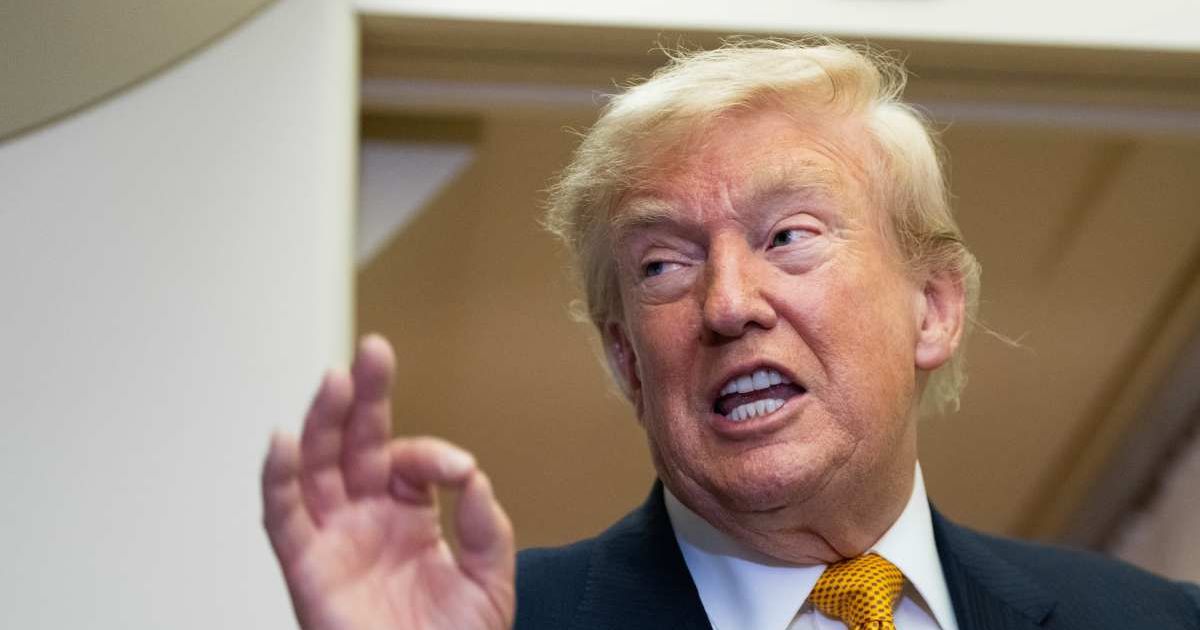
Digital communications from major political figures have increasingly embraced synthetic media, blurring the lines between standard political messaging and internet culture. In a series of social media posts, Donald Trump published artificial intelligence-generated images interspersed among commentary regarding foreign policy and legal proceedings, according to reporting by Eren Waris. The imagery, which featured symbolic and unusual depictions including a digital fusion of Trump’s face with First President George Washington as well as an image of a handcuffed extraterrestrial entity, highlights the growing integration of generative AI into high-profile political feeds.
AI images amidst policy posts
The posting sequence presented a distinct contrast between standard political commentary and stylized synthetic media, according to Eren Waris. Within the stream of updates addressing foreign policy issues and legal developments, the feed incorporated artificial imagery designed to engage online audiences. Among the visual content highlighted in the report was a composite picture merging Trump’s facial features with the historical portraiture of George Washington, evoking foundational American political imagery through modern digital synthesis.
Additionally, the feed featured an image depicting an alien in handcuffs. The inclusion of an extraterrestrial figure alongside standard legal commentary and geopolitical statements marked an unconventional addition to high-level political communications. While political campaigns have long utilized editorial cartoons, photo collages, and political memes to convey thematic points, the deployment of high-resolution generative AI media represents a technical evolution in how public figures construct their daily digital messaging.
The rise of synthetic media in political messaging
Generative artificial intelligence platforms have become widely accessible in recent years, allowing users to convert text prompts into complex, high-resolution visual imagery within seconds. Political campaigns and public figures have adapted these digital tools to generate rapid-response graphics, visual metaphors, and promotional content at minimal cost and high speed.
The use of AI-generated content in political messaging spans a wide spectrum, ranging from lighthearted satirical memes to formal political advertisements. Unlike traditional graphic design, which requires specialized software skills and significant editing time, contemporary generative AI systems enable the rapid production of stylized digital art. This accessibility has encouraged political communicators to experiment with visual narrative techniques directly within their public updates.
In the current media ecosystem, public accounts frequently leverage unexpected visual content to maximize engagement on major digital platforms. Industry research indicates that unconventional imagery often yields higher interaction rates, as social media recommendation systems prioritize posts that generate immediate viewer responses, reshares, and public discussion.
Historical context and symbolic imagery
The practice of linking contemporary political figures with historical icons is a well-established tradition in American political rhetoric. From 19th-century campaign lithographs to modern editorial illustration, political figures have consistently sought visual association with historical leaders such as George Washington and Abraham Lincoln to signal patriotism, leadership, and historical continuity.
However, the transition from conventional artistic media to machine-generated imagery alters how these symbolic connections are produced and consumed. Generative tools can seamlessly blend real physical features into historical artwork, creating detailed visuals that combine realistic elements with symbolic mythmaking. The image blending Trump's features with those of George Washington reflects this longstanding tradition of symbolic association, updated for contemporary digital platforms.
Conversely, the incorporation of highly abstract or unusual concepts, such as a handcuffed alien, demonstrates the influence of modern internet meme culture on high-level political discourse. Digital media strategists observe that modern online communication frequently uses absurdity, pop culture tropes, and surreal humor to convey political stances or capture public attention across diverse demographic groups.
Challenges in authentication and platform standards
The frequent publication of synthetic media by prominent public figures has generated ongoing discussion among technology analysts, policy researchers, and platform administrators regarding digital transparency and media literacy. As synthetic generation software becomes more sophisticated, distinguishing between authentic news photography, digital art, and machine-generated content presents continuous challenges for the reading public.
Major social media networks have instituted various guidelines regarding artificial media, including automated content labeling, digital watermarking requirements, and explicit rules against deceptive deepfakes. However, the application of these standards remains complex, particularly when shared images are clearly stylized or surreal rather than intended to deceive viewers about real-world occurrences.
Digital media researchers note that while surreal synthetic imagery—such as depictions of non-human entities—presents little risk of being misconstrued as genuine news photography, its regular inclusion on primary communication feeds normalizes the presence of machine-generated imagery in public political commentary. The presentation of policy statements alongside synthetic visual assets creates a media environment where formal political discourse coexists directly with viral digital trends.
Broader impact on political communication
The adoption of AI-generated imagery by political leaders illustrates a broader shift toward direct digital outreach that bypasses traditional media channels. Direct social communications allow political figures to test visual themes, establish messaging priorities, and maintain continuous contact with their audience without external editorial filtering.
As artificial intelligence tools become further embedded in digital marketing and campaign operations, political analysts anticipate that synthetic imagery will remain a standard tool for digital strategists. Whether used for symbolic iconography, commentary, or audience engagement, the posting patterns reported by Eren Waris highlight the evolving ways political figures utilize new technologies to shape online public presence.
This article is based on reporting originally published by Eren Waris.
How this story was produced
This report was written by The Global Wire newsroom from reporting first published by Eren Waris. We verify the core facts against the original report, write our own account, and add the background and consequences a short wire item leaves out. Drafting is AI-assisted inside an editor-supervised pipeline, and every story is checked for accuracy of attribution, structure and duplication before it appears — full detail in our AI and funding disclosure.
Spotted an error? Tell us at corrections@horizonglobalnews.com and read our corrections policy or editorial standards.



Reader comments
Loading comments…