

Stage actor Shiv Grewal described near-death vision during 2013 cardiac arrest
British stage actor Shiv Grewal recalled floating in space and perceiving reincarnation choices after his heart stopped for seven minutes in 2013, according to reporting by Grace Cyril.
By The Global Wire Newsroom · Reported from Grace Cyril
Link preview · horizonglobalnews.com
Stage actor Shiv Grewal described near-death vision during 2013 cardiac arrest
British stage actor Shiv Grewal recalled floating in space and perceiving reincarnation choices after his heart stopped for seven minutes in 2013, according to reporting by Grace Cyril.
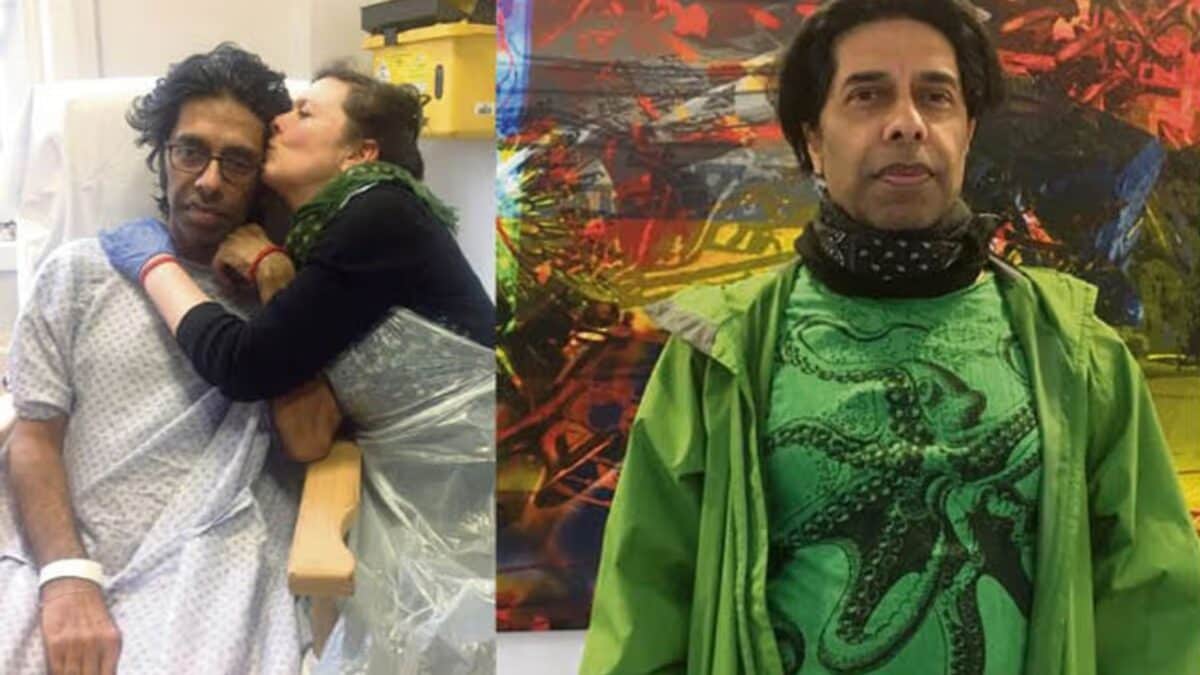
British stage actor Shiv Grewal detailed a profound near-death experience following a severe cardiac event in 2013 that left him clinically dead for seven minutes, according to reporting by Grace Cyril. During the period when his heart stopped beating, Grewal recalled experiencing a sensation of floating through space and feeling as though he was presented with choices regarding potential future reincarnations.
The incident, which required immediate medical intervention to restore his pulse, highlights the complex biological and psychological phenomena reported by survivors of sudden cardiac arrest. Accounts of conscious awareness during periods of clinical death remain a subject of rigorous study within neuroscience, emergency medicine, and psychology.
The medical crisis of 2013
In 2013, Grewal suffered a sudden cardiac arrest, an emergency condition characterized by the immediate loss of heart function, breathing, and consciousness. As reported by Grace Cyril, Grewal’s heart ceased functioning for seven minutes before healthcare responders were able to re-establish a rhythmic heartbeat through resuscitation protocols.
Sudden cardiac arrest differs from a typical heart attack. While a heart attack occurs when blood flow to a portion of the heart muscle is blocked, cardiac arrest is an electrical disruption that causes the heart to stop pumping blood entirely. Without immediate intervention, such as cardiopulmonary resuscitation or defibrillation, death usually occurs within minutes. When blood flow to the brain stops, consciousness is lost almost instantaneously, and biological brain tissue begins to suffer oxygen starvation, known medically as cerebral hypoxia.
The seven-minute window during which Grewal’s heart was inactive represents a critical threshold in emergency care. In typical circumstances, cellular damage in the human brain begins within four to six minutes of complete oxygen deprivation, and permanent neurological impairment or brain death can follow rapidly thereafter. The successful resuscitation of patients after seven minutes without a pulse relies heavily on rapid medical response and post-resuscitation care.
Reported visions and perceptions
During the seven minutes of biological cardiac cessation, Grewal reported experiencing vivid sensory perceptions rather than a void of consciousness. According to the report by Grace Cyril, Grewal described feeling detached from his physical body and traveling through cosmic space. In addition to perceiving the vastness of space, he expressed that he felt as if he were being offered multiple pathways for reincarnation.
Such vivid sensory experiences during periods of clinical non-responsiveness are categorized by researchers as near-death experiences. While individual accounts vary widely in their symbolic imagery, common themes often emerge among those who survive severe medical trauma. Reported elements frequently include feelings of weightlessness, perception of movement through voids or tunnels, visions of distant landscapes, encounters with perceived entities, and profound emotional states ranging from intense serenity to disorienting detachment.
Grewal's account adds to a long history of documented reports from cardiac arrest survivors who retain memories of intense internal experiences during periods when their vital functions had officially ceased.
Neurological and clinical context
The scientific community approaches accounts of near-death phenomena through a framework of biological and neurological mechanisms. When the heart stops, the brain experiences rapid changes in oxygen levels and chemical balances that can significantly influence sensory processing and memory formation.
Emergency medicine specialists and neuroscientists suggest several physiological explanations for the visions described by patients who survive cardiac arrest. As the brain experiences hypoxia, the cerebral cortex undergoes erratic electrical activity. During the initial seconds or minutes of circulatory failure, dying neurons may fire synchronously before becoming completely inactive, a phenomenon sometimes referred to as a terminal electrical surge. This surge of neuroelectrical activity can stimulate the visual and temporal lobes of the brain, potentially generating vivid, dreamlike hallucinations or spatial distortion.
Additionally, severe physiological stress triggers the release of various neurochemicals, including endorphins, naturally occurring opioids, and other neurotransmitters designed to mitigate trauma. Researchers suggest that these chemical surges, combined with fluctuating blood flow during resuscitation efforts, can create complex, realistic visual and cognitive experiences that the brain consolidates into memory as resuscitation succeeds.
Cognitive recovery and psychological impact
Surviving seven minutes without cardiac function involves a complex recovery process that extends beyond physical healing. For cardiac arrest survivors who report near-death experiences, the psychological and emotional aftermath often brings lasting changes in personal worldview and self-identity.
Medical literature indicates that survivors of sudden cardiac arrest frequently experience shifts in personal priorities, diminished fear of mortality, and altered perceptions of purpose. For professionals in creative fields, such as stage acting, undergoing profound physical trauma and subsequent resuscitation can significantly alter their relationship to performance, narrative, and artistic expression. The process of integrating a near-death account into daily life often requires navigating the dual challenges of physical rehabilitation and psychological processing.
While many survivors experience positive psychological growth following resuscitation, cardiac arrest survivors also face significant risks of anxiety, depression, and post-traumatic stress disorder. The cognitive impact of brief cerebral hypoxia can vary widely, requiring comprehensive medical follow-up to monitor neurological function and psychological well-being.
Research into consciousness during cardiac arrest
Grewal's experience mirrors broader trends investigated by international research initiatives focused on resuscitation medicine and post-cardiac consciousness. Studies monitoring cardiac arrest patients in hospital settings have attempted to measure electrical brain activity during cardiopulmonary resuscitation to determine whether structured thought or perception is possible when external signs of life are absent.
Some clinical studies have documented organized brain wave activity continuing for short periods after clinical death is declared, suggesting that the human brain may retain functional capacities longer than previously assumed. These findings have sparked ongoing debates among physicians, bioethicists, and neuroscientists regarding the precise boundaries that separate life, clinical death, and brain death.
Accounts such as Grewal’s provide qualitative data that researchers evaluate alongside physiological measurements, contributing to a broader understanding of human consciousness under extreme medical conditions.
This article is based on reporting originally published by Grace Cyril.
How this story was produced
This report was written by The Global Wire newsroom from reporting first published by Grace Cyril. We verify the core facts against the original report, write our own account, and add the background and consequences a short wire item leaves out. Drafting is AI-assisted inside an editor-supervised pipeline, and every story is checked for accuracy of attribution, structure and duplication before it appears — full detail in our AI and funding disclosure.
Spotted an error? Tell us at corrections@horizonglobalnews.com and read our corrections policy or editorial standards.





Reader comments
Loading comments…