

Ro Khanna Calls for Democratic Reform as Insurgent Progressives Gain Ground
U.S. Representative Ro Khanna has argued that the Democratic Party must reform its platform to better serve working-class Americans amid primary challenges to party incumbents.
By The Global Wire Newsroom · Reported from Shibra Arshad
Link preview · horizonglobalnews.com
Ro Khanna Calls for Democratic Reform as Insurgent Progressives Gain Ground
U.S. Representative Ro Khanna has argued that the Democratic Party must reform its platform to better serve working-class Americans amid primary challenges to party incumbents.
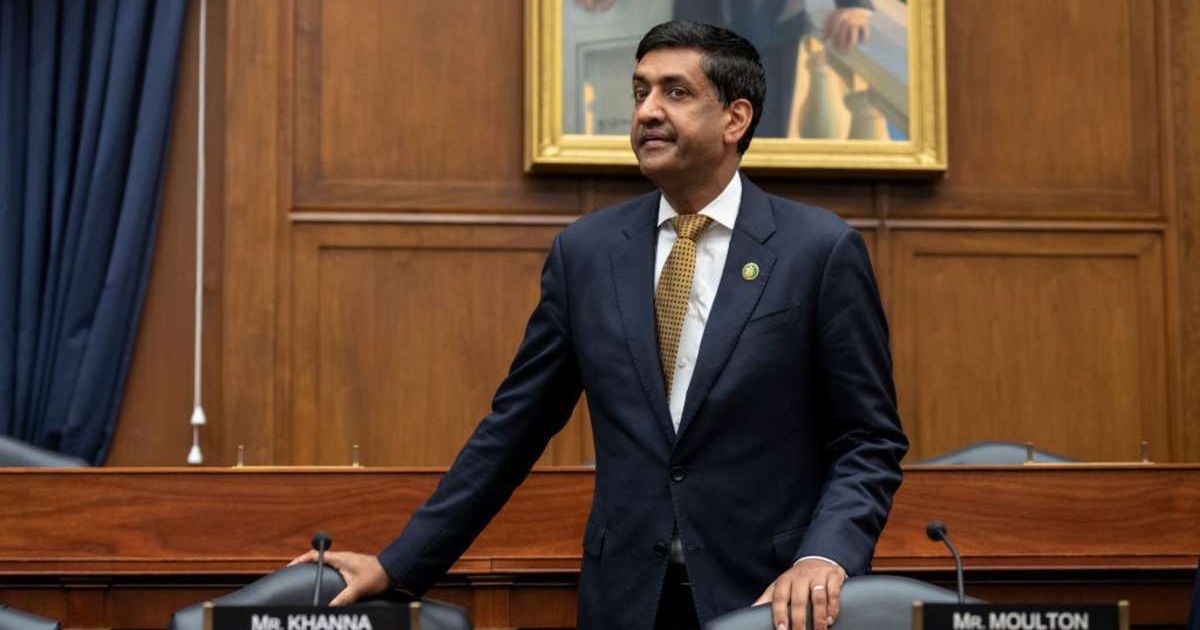
WASHINGTON — Representative Ro Khanna has issued a public call for structural reform within the Democratic Party, identifying a growing disconnect with working-class voters as the primary factor driving electoral victories by Democratic socialist candidates over party incumbents.
In comments documented in reporting by Shibra Arshad, the California lawmaker expressed that the national party organization must directly address its economic record, warning that a failure to deliver tangible benefits to working-class Americans has created fertile ground for insurgent primary challenges.
Primary shifts and incumbent vulnerabilities
The dynamics governing primary elections have undergone significant shifts in recent legislative cycles, as progressive and Democratic socialist candidates increasingly mount organized campaigns against established party leaders. These primary contests often focus on the economic trajectory of working-class communities, placing incumbent records under intense scrutiny.
Khanna stated that the political momentum gained by Democratic socialist challengers stems directly from widespread voter dissatisfaction with current policy outcomes. According to reporting by Shibra Arshad, Khanna noted that the Democratic Party needs reform after failing to deliver adequately for working-class citizens across the country.
The success of these primary challenges reflects a broader trend within the electorate, where voters in diverse congressional districts have demonstrated a willingness to reject standard party platforms in favor of candidates advocating for systemic economic change. This trend has placed renewed focus on the internal mechanics of primary races and the criteria voters use to evaluate long-serving officeholders.
Economic delivery and working-class expectations
Central to Khanna’s assessment is the premise that working-class voters prioritize immediate, impactful economic results over political rhetoric or incremental compromise. Over recent years, working-class households have navigated persistent economic hurdles, including elevated costs for housing, healthcare, education, and essential goods, alongside structural changes in the domestic labor market.
When major political parties are perceived as failing to alleviate these daily economic pressures, voter frustration often translates into support for insurgent political movements. Khanna’s public statements highlight a growing consensus among progressive lawmakers that party credibility depends heavily on its ability to pass robust legislation that directly improves living standards for low- and middle-income families.
The debate over economic performance extends beyond congressional voting records to encompass national policy agendas, trade regulations, union protections, and federal investments in manufacturing and community infrastructure. In the view of progressive reformers, addressing these areas with decisive policy action remains the primary method for stemming the erosion of working-class support.
Debating the party platform and direction
Khanna’s call for reform underscores the ongoing ideological debate between the moderate and progressive wings of the Democratic Party. Moderate members frequently contend that pragmatism, fiscal prudence, and broad-spectrum appeals are necessary to win and maintain majorities in competitive and purple districts. They often argue that extreme policy shifts can alienate swing voters and complicate national legislative efforts.
Conversely, progressive factions argue that bold economic initiatives serve as the most effective mechanism for driving voter turnout and establishing long-term partisan loyalty. Proponents of this view maintain that clear, transformative policy proposals energize base voters and re-engage former supporters who feel neglected by the political establishment.
This internal dialogue touches upon key elements of party governance, including campaign finance practices, committee assignments, primary endorsement protocols, and the selection of legislative priorities. By framing the issue around service to the working class, Khanna places economic equity at the center of the debate regarding the party's future identity and governance strategy.
Strategic implications for upcoming campaigns
The persistent tension between party incumbents and insurgent candidates carries significant strategic implications for general election prospects. Campaign strategists continuously evaluate how intense primary battles impact candidate viability, fundraising capabilities, and general election coalition dynamics.
In districts where Democratic socialist candidates successfully defeat incumbents, the party leadership must adapt its general election messaging to support nominees whose platforms may differ substantially from the traditional party line. At the same time, national campaign organizations face the challenge of unifying disparate factions behind a shared legislative framework capable of securing governing majorities.
According to the perspective shared by Khanna in reporting by Shibra Arshad, bridging these internal divides requires a fundamental shift toward policies that explicitly target the material needs of working families. Without such realignment, primary challenges against incumbents are likely to remain a consistent feature of the political landscape.
Broader context of voter realignment
The broader American political environment has experienced significant realignments over the past decade, with working-class voters shifting their political affiliations based on evolving economic and cultural priorities. Industrial regions that once served as reliable centers of support for Democratic candidates have seen shifting voter patterns, prompting intense debate among party strategists regarding the best approach to reclaim these constituencies.
Khanna’s focus on working-class delivery aligns with wider efforts among policy analysts and lawmakers to understand these structural realignment trends. The ability of Democratic socialist candidates to gain traction in primary races indicates that economic messaging centered on wealth distribution, worker rights, and expanded public services resonates with substantial segments of the electorate seeking alternatives to status-quo governance.
Future outlook for party governance
As the party prepares for future legislative sessions and election cycles, the internal dialogue regarding policy priorities and working-class outreach remains open and contentious. Party leaders are tasked with balancing the competing demands of diverse congressional delegations while formulating a unified message capable of appealing to voters across demographic and geographic lines.
The questions raised by lawmakers like Khanna emphasize that political longevity for incumbents will increasingly depend on demonstrable legislative outcomes. Whether through sweeping federal initiatives or targeted economic relief, the party's capacity to satisfy the expectations of working-class voters is widely seen as a key determinant of its future political success.
This article incorporates reporting originally conducted by Shibra Arshad.
How this story was produced
This report was written by The Global Wire newsroom from reporting first published by Shibra Arshad. We verify the core facts against the original report, write our own account, and add the background and consequences a short wire item leaves out. Drafting is AI-assisted inside an editor-supervised pipeline, and every story is checked for accuracy of attribution, structure and duplication before it appears — full detail in our AI and funding disclosure.
Spotted an error? Tell us at corrections@horizonglobalnews.com and read our corrections policy or editorial standards.





Reader comments
Loading comments…