

Paris Shuts Louvre, Opera and Art Basel as Cost-of-Living Protests Escalate
Safety fears prompt the preemptive closure of major Paris cultural landmarks and art fairs as demonstrations over rising living costs turn volatile.
By The Global Wire Newsroom · Reported from SECTIONS Mona Lisa off limits as Paris shuts museums over protest fears Reuters
Link preview · horizonglobalnews.com
Paris Shuts Louvre, Opera and Art Basel as Cost-of-Living Protests Escalate
Safety fears prompt the preemptive closure of major Paris cultural landmarks and art fairs as demonstrations over rising living costs turn volatile.
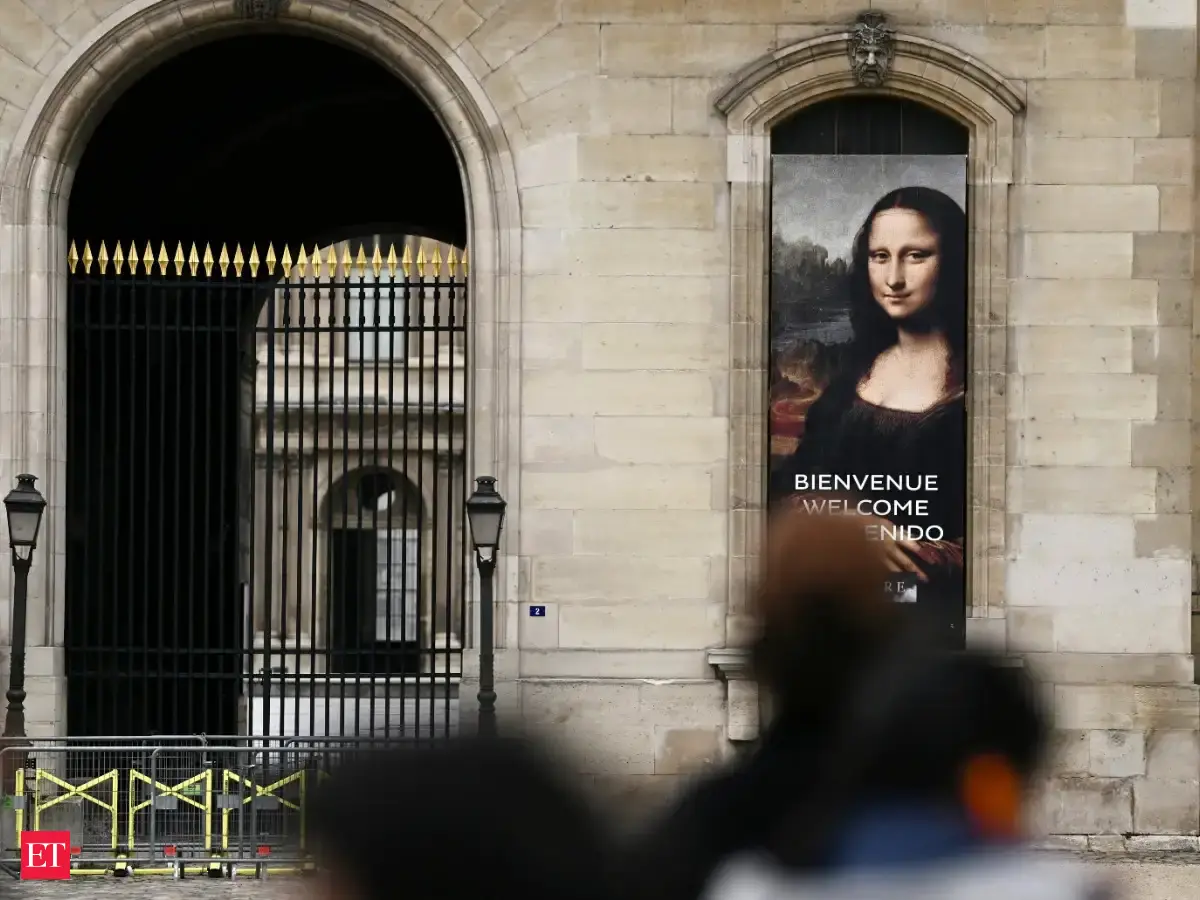
PARIS — Cultural institutions across the French capital suspended operations on Saturday, October 24, 2026, barring access to some of the world's most recognizable cultural landmarks as demonstrations against the escalating cost of living intensified. The Musée du Louvre, which houses Leonardo da Vinci's Mona Lisa, closed its galleries unexpectedly to shield visitors, staff, and historic collections from potential street violence. Simultaneous shutdowns swept through other flagship institutions: the Opéra national de Paris cancelled scheduled stage performances, while the organizers of Art Basel Paris halted their weekend fair programming at the Grand Palais and surrounding satellite locations.
Key facts
What happened
The abrupt closures unfolded across Saturday morning as crowds mobilized in central Paris to protest worsening economic conditions and escalating household expenses. While public demonstrations were registered along designated transit corridors, fringe skirmishes and localized property damage quickly escalated near major commercial and civic arteries. In response to deteriorating conditions on the streets, municipal security officials advised administrators of high-profile public venues to initiate emergency containment and closure procedures.
At the Louvre, where thousands of international tourists queue daily along the Cour Napoléon under the glass pyramid, staff closed turnstiles and deployed security barriers. Ticket holders already inside were systematically guided toward exits, while prospective visitors holding advance reservations were turned away outside the perimeter. The museum issued notices confirming that operations were paused indefinitely for the safety of both visitors and personnel.
Nearby, the impact spread rapidly through the city's performing arts and commercial visual arts sectors. The Opéra national de Paris announced the immediate cancellation of its Saturday afternoon and evening productions, shuttering both the Palais Garnier in the 9th arrondissement and the Opéra Bastille in the 12th arrondissement. Box office teams initiated refund procedures as patrons gathered outside locked doors.
Simultaneously, Art Basel Paris—which had opened its flagship edition earlier in the week at the restored Grand Palais near the Champs-Élysées—cancelled the remainder of its public weekend run. The international fair, which draws hundreds of premier art galleries, institutional curators, and wealthy private collectors from across the globe, abandoned its Saturday and Sunday schedule. Exhibitors were directed to secure their booths, while security details sealed the Grand Palais entrance pavilion to prevent spillover from demonstration routes nearby.
Why it matters
The preemptive closure of premier cultural landmarks carries substantial economic, diplomatic, and civic consequences. Paris relies heavily on international cultural tourism as a bedrock of its regional economy, drawing more than 30 million visitors annually to the Île-de-France region. Sudden, uncoordinated shutdowns leave thousands of travelers stranded, disrupting hospitality logistics, retail operations, and scheduled tour itineraries while generating heavy direct costs in ticketing refunds and lost concessions.
For the commercial art market, the sudden truncation of Art Basel Paris represents a severe disruption. Contemporary art fairs operate on high-overhead models where participating galleries pay tens of thousands of euros for booth space, freight shipping, art insurance, and staff lodging. The public weekend sessions are critical for gallerists to finalize major acquisitions with institutional buyers and private collectors. Abruptly cancelling those sessions cuts off critical transactional pipelines and strains commercial relationships between fair operators and international exhibitors.
Politically, the closures highlight the deepening volatility surrounding France's ongoing cost-of-living crisis. When domestic economic grievances reach the threshold of forcing national museums and historic monuments behind locked gates, it reflects an erosion of municipal normalcy. The visual of closed national monuments signals to the international community that French state authorities face profound friction in balancing the democratic right to demonstrate with public order and the continuity of civic infrastructure.
The background
France possesses a long history of disruptive mass mobilization, where economic policy disputes frequently culminate in demonstrations concentrated in the capital's historic and commercial core. Street agitation over purchasing power—known domestically as *pouvoir d'achat*—has repeatedly driven civil unrest over the past decade. The most prominent modern precursor was the Yellow Vest (*Gilets Jaunes*) movement of late 2018 and early 2019, which began as an objection to fuel taxes before broadening into a nationwide revolt over economic inequality.
During the peak of the 2018 unrest, Paris witnessed scenes of intense property damage along the Champs-Élysées and the defacement of the Arc de Triomphe, which forced the Louvre, the Eiffel Tower, and major department stores along the Boulevard Haussmann to shutter for entire weekends. Similar disruptions occurred during the prolonged nationwide pension reform strikes of 2019 and 2023, when public sector walkouts and unauthorized street protests forced rolling closures of public museums, rail networks, and waste collection services.
Security oversight for these institutions is split between national ministries and local law enforcement. Under the French administrative framework, the Préfecture de Police de Paris coordinates security perimeters and monitors crowd movements, issuing directives to public establishments (*établissements recevant du public*) to suspend operations when threat assessments surpass acceptable thresholds. Major national institutions like the Louvre operate under the direct oversight of the Ministry of Culture, maintaining specialized emergency plans designed to protect both human life and priceless national heritage from arson, looting, and ballistic damage during civil disturbances.
Reaction
Official public reactions following the Saturday shutdowns were dominated by logistical instructions and expressions of frustration. Cultural venue administrations published formal notices prioritizing public protection while advising patrons on bureaucratic recourse. Ticketing platforms across the Louvre and the Paris Opera were inundated with cancellation queries, prompting administrators to publish emergency advisories promising automated reimbursements for all cancelled sessions.
Visitors caught on the esplanades outside the shuttered venues expressed dismay at the abrupt cancellations. Many foreign tourists, who had booked non-refundable time slots months in advance to view Leonardo da Vinci's masterwork, were left standing in the rain outside the Louvre's Cour Carrée with little guidance beyond printed security placards. Hospitality and tourism sector representatives, including Parisian hotel federations, voiced concern over the persistent reputational damage recurring street unrest inflicts on the capital's hospitality industry.
While the French Interior Ministry and the Ministry of Culture maintained close operational coordination with police command posts, formal ministerial policy addresses regarding the underlying protest demands remained pending as cabinet officials assessed the weekend's security fallout. Trade unions and grassroots coalition leaders behind the demonstrations reiterated their stance in distributed literature, maintaining that the economic hardship of inflation and high utility costs necessitated disruptive action to compel administrative concessions from the state.
What we don't know yet
Key details regarding the operational timeline and the immediate material impact of the unrest remain unconfirmed. News reports have not clarified whether any cultural institutions sustained direct physical damage or attempted perimeter breaches, or if the closures were entirely preventative measures initiated strictly on police intelligence.
The full financial tally of the cancellations is also unknown. While ticket reimbursements for the Louvre and the Paris Opera can be tabulated directly, the broader secondary losses—including revenue deficits for Art Basel exhibitors, transport disruptions, and emergency security overtime—have yet to be quantified. Furthermore, authorities have not confirmed when normal visiting hours will resume, leaving next week's cultural programming uncertain pending fresh security assessments.
What to watch
The path toward normalization will depend on several discrete markers in the coming days:
According to reporting by Reuters, the widespread cultural closures in Paris underscore the growing disruption caused by public unrest as municipal authorities balance public safety with the operation of world-renowned institutions.
How this story was produced
This report was written by The Global Wire newsroom from reporting first published by SECTIONS Mona Lisa off limits as Paris shuts museums over protest fears Reuters. We verify the core facts against the original report, write our own account, and add the background and consequences a short wire item leaves out. Drafting is AI-assisted inside an editor-supervised pipeline, and every story is checked for accuracy of attribution, structure and duplication before it appears — full detail in our AI and funding disclosure.
Spotted an error? Tell us at corrections@horizonglobalnews.com and read our corrections policy or editorial standards.




Reader comments
Loading comments…