

Omega-3 and Aspirin Match Antibiotics in Severe Gum Disease Study
A year-long study showed daily omega-3 supplements and low-dose aspirin equaled antibiotics in treating severe gum disease, reaching treatment goals in 58% of patients.
By The Global Wire Newsroom · Reported from sciencedaily.com
Link preview · horizonglobalnews.com
Omega-3 and Aspirin Match Antibiotics in Severe Gum Disease Study
A year-long study showed daily omega-3 supplements and low-dose aspirin equaled antibiotics in treating severe gum disease, reaching treatment goals in 58% of patients.
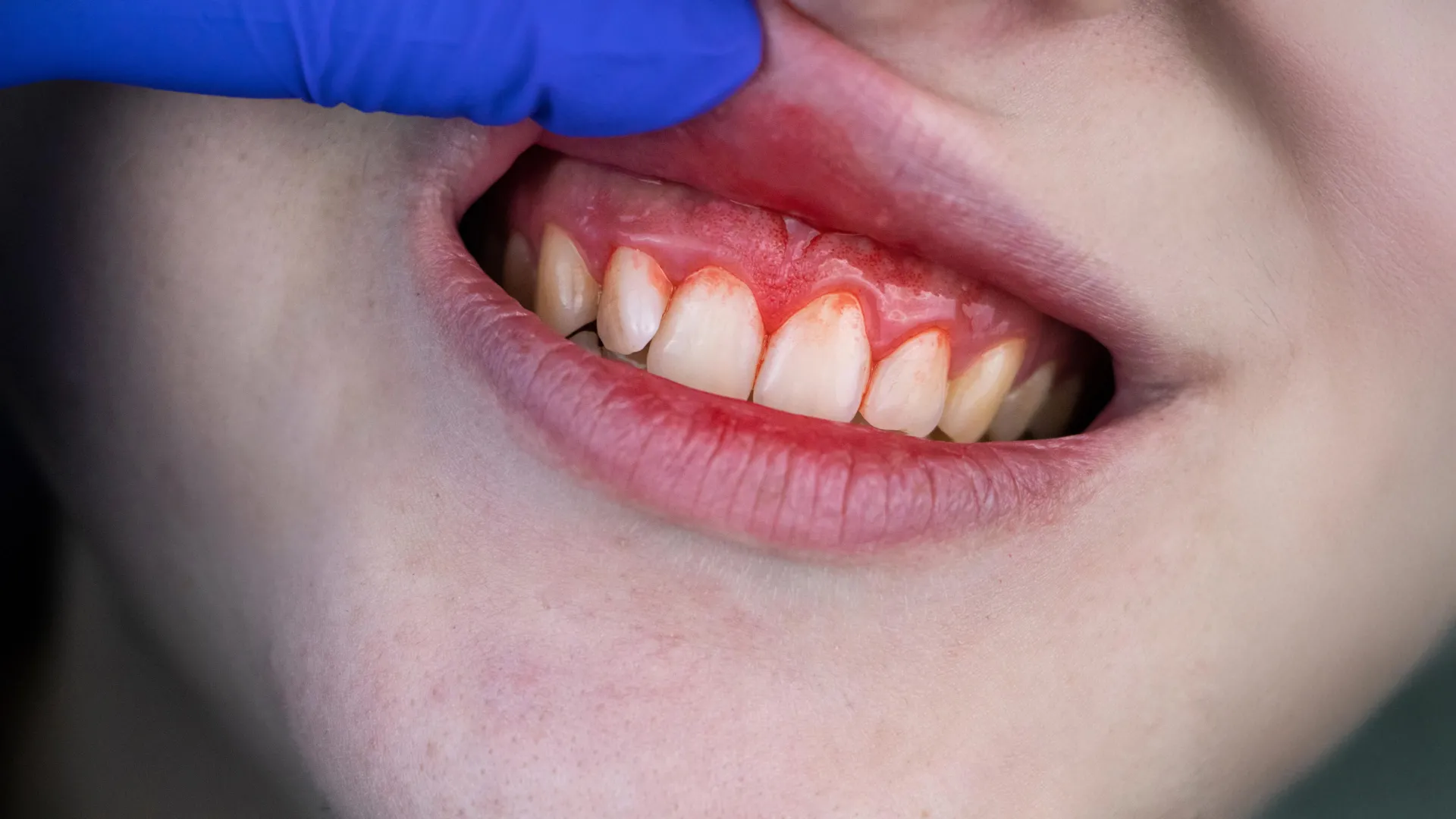
A year-long clinical trial evaluating non-surgical treatments for severe periodontitis has revealed that a daily regimen of omega-3 fatty acid supplements paired with low-dose aspirin achieved success rates equal to traditional systemic antibiotics. According to clinical trial results reported by ScienceDaily, both treatment strategies enabled approximately 58 percent of participating patients to reach established clinical endpoints for disease management following scaling and root planing. The findings demonstrate a potential host-modulation alternative for periodontists and general dentists, offering a practical avenue to reduce routine reliance on systemic antimicrobial drugs amid growing global concerns over antibiotic resistance.
Key facts
What happened
The trial examined whether host-modulation therapy—specifically utilizing anti-inflammatory fatty acids and aspirin to promote the natural resolution of inflammation—could match the efficacy of adjunctive systemic antibiotics in patients diagnosed with severe periodontitis. Severe periodontitis is a chronic condition marked by deep periodontal probing pockets, loss of soft tissue attachment, and progressive destruction of the supporting alveolar bone.
Under current standard dental care, initial treatment relies on mechanical debridement, commonly referred to as scaling and root planing, to physically remove subgingival bacterial biofilm and hardened calculus from root surfaces. However, because mechanical clearing alone may not eliminate deeply embedded pathogens or quiet severe host tissue destruction in advanced cases, practitioners frequently prescribe systemic antibiotics—such as combinations of amoxicillin and metronidazole or daily doxycycline—as adjunctive measures.
In the year-long trial reported by ScienceDaily, researchers evaluated an alternative protocol combining daily over-the-counter omega-3 polyunsaturated fatty acids with low-dose aspirin alongside standard mechanical debridement. Over 12 months of clinical monitoring, tracking key periodontal parameters including probing pocket depth reductions and attachment level gains, the supplement regimen delivered clinical improvements equivalent to the antibiotic therapy. Ultimately, roughly 58 percent of patients in both experimental cohorts attained the trial's defined endpoint for successful periodontal stabilization and tissue healing.
Why it matters
Dental professionals represent a significant source of outpatient antibiotic prescriptions globally. Data from public health bodies, including the U.S. Centers for Disease Control and Prevention (CDC), indicate that dental prescribers account for nearly 10 percent of all outpatient antibiotic prescriptions in the United States. A substantial portion of these medications are designated for chronic inflammatory conditions like periodontitis, where oral bacteria initiate localized tissue damage.
Widespread systemic antibiotic use drives the evolution of drug-resistant pathogens, a trend that the World Health Organization (WHO) identifies among the top threats to global public health. Beyond resistance risks, systemic antimicrobial therapy carries known clinical drawbacks, including disruption of the intestinal microflora, potential allergic reactions, and the risk of secondary infections such as Clostridioides difficile.
Demonstrating that over-the-counter dietary supplements and low-dose aspirin can achieve therapeutic outcomes identical to antibiotics—with both regimens reaching a 58 percent success rate—provides a strong rationale for shifting clinical protocols. If integrated into routine practice, host-modulating therapy could significantly curb antibiotic administration in dental clinics without compromising patient outcomes. Furthermore, omega-3 fatty acids and low-dose aspirin generally present manageable safety profiles when overseen by clinicians, making them suitable candidates for long-term therapeutic strategies in chronic inflammatory care.
The background
Periodontitis affects roughly 47 percent of adults aged 30 and older in the United States, with severe periodontitis impacting an estimated 10 to 15 percent of the global adult population. The pathogenesis of periodontitis involves a complex interaction between subgingival dysbiotic plaque bacteria and the host immune system. Modern periodontal science established that tissue destruction is not caused by bacterial action alone, but predominantly by an overactive host inflammatory response that fails to resolve.
For decades, non-surgical mechanical therapy—scaling and root planing—has formed the cornerstone of treatment. To bolster outcomes, researchers developed host-modulation therapies designed to down-regulate destructive enzymes and inflammatory cytokines. Historically, sub-antimicrobial dose doxycycline (SDD) was the primary host-modulating agent approved for clinical use, functioning by inhibiting matrix metalloproteinase enzymes rather than suppressing bacteria.
Over the past two decades, scientific understanding of inflammation has shifted significantly. Resolving inflammation is no longer viewed as a passive decay of immune signals, but as an active biological process driven by specialized pro-resolving lipid mediators (SPMs), including resolvins, protectins, and maresins. Long-chain omega-3 fatty acids, specifically eicosapentaenoic acid (EPA) and docosahexaenoic acid (DHA), serve as fundamental building blocks for these pro-resolving molecules.
Low-dose aspirin plays a complementary biochemical role by acetylating the cyclooxygenase-2 (COX-2) enzyme. This enzymatic shift triggers the endogenous production of aspirin-triggered resolvins and lipoxins, which actively signal neutrophils to cease tissue destruction and prompt macrophages to clear cellular debris. Preclinical models and preliminary clinical trials have consistently indicated that combining EPA/DHA supplementation with low-dose aspirin can accelerate pocket reduction and tissue healing by restoring balance to the inflammatory cascade.
Reaction
While formal institutional responses to these specific findings have not yet been released, professional dental societies and periodontology associations are expected to analyze the complete study data closely.
Clinical researchers and periodontists are anticipated to welcome evidence supporting non-antibiotic treatments, particularly as regulatory bodies and public health organizations intensify pressure on healthcare systems to institute strict antimicrobial stewardship programs. However, professional bodies such as the American Academy of Periodontology (AAP) and the International Association for Dental Research (IADR) typically require verification through multi-center clinical trials before amending clinical practice guidelines.
Pharmacologists and infectious disease specialists are expected to view the trial as a key demonstration of host-directed therapy replacing conventional anti-infective drugs. Conversely, practicing dentists are expected to maintain clinical caution regarding patient eligibility, as low-dose aspirin therapy requires careful screening for bleeding risks, gastrointestinal ulceration history, or concurrent antiplatelet and anticoagulant medications.
What we don't know yet
Despite the matching 58 percent success rate reported by ScienceDaily, several fundamental parameters of the clinical study remain unstated in the preliminary summary. The specific daily dosages of omega-3 fatty acids, the precise ratio of eicosapentaenoic acid (EPA) to docosahexaenoic acid (DHA), and the exact milligram dosage of aspirin administered throughout the 12-month period were not specified.
Additionally, the reporting does not clarify whether treatment benefits persist if patients discontinue the supplement regimen after one year, or whether continuous long-term maintenance is required to prevent disease relapse. The dataset summaries also omit details regarding performance across specific high-risk patient demographics, such as individuals with poorly controlled type 2 diabetes or tobacco users, both of which strongly influence periodontal therapy outcomes. Finally, full details regarding patient compliance, minor side effects, and comparative long-term treatment costs between a one-year supplement course and brief antibiotic regimens remain to be published in peer-reviewed literature.
What to watch
Several concrete milestones will indicate whether this supplement protocol transitions from clinical trial research into standard dental practice:
Reporting in this account is based on clinical trial results published by ScienceDaily.
How this story was produced
This report was written by The Global Wire newsroom from reporting first published by sciencedaily.com. We verify the core facts against the original report, write our own account, and add the background and consequences a short wire item leaves out. Drafting is AI-assisted inside an editor-supervised pipeline, and every story is checked for accuracy of attribution, structure and duplication before it appears — full detail in our AI and funding disclosure.
Spotted an error? Tell us at corrections@horizonglobalnews.com and read our corrections policy or editorial standards.


Reader comments
Loading comments…