

Novo Nordisk Tests Reverse Osmosis to Recapture Pharma Wastewater for Production
Danish drugmaker Novo Nordisk is piloting reverse osmosis membrane technology to recycle pharmaceutical effluent, aiming to reduce its total operational water usage by half.
By The Global Wire Newsroom · Reported from Neetika Walter
Link preview · horizonglobalnews.com
Novo Nordisk Tests Reverse Osmosis to Recapture Pharma Wastewater for Production
Danish drugmaker Novo Nordisk is piloting reverse osmosis membrane technology to recycle pharmaceutical effluent, aiming to reduce its total operational water usage by half.
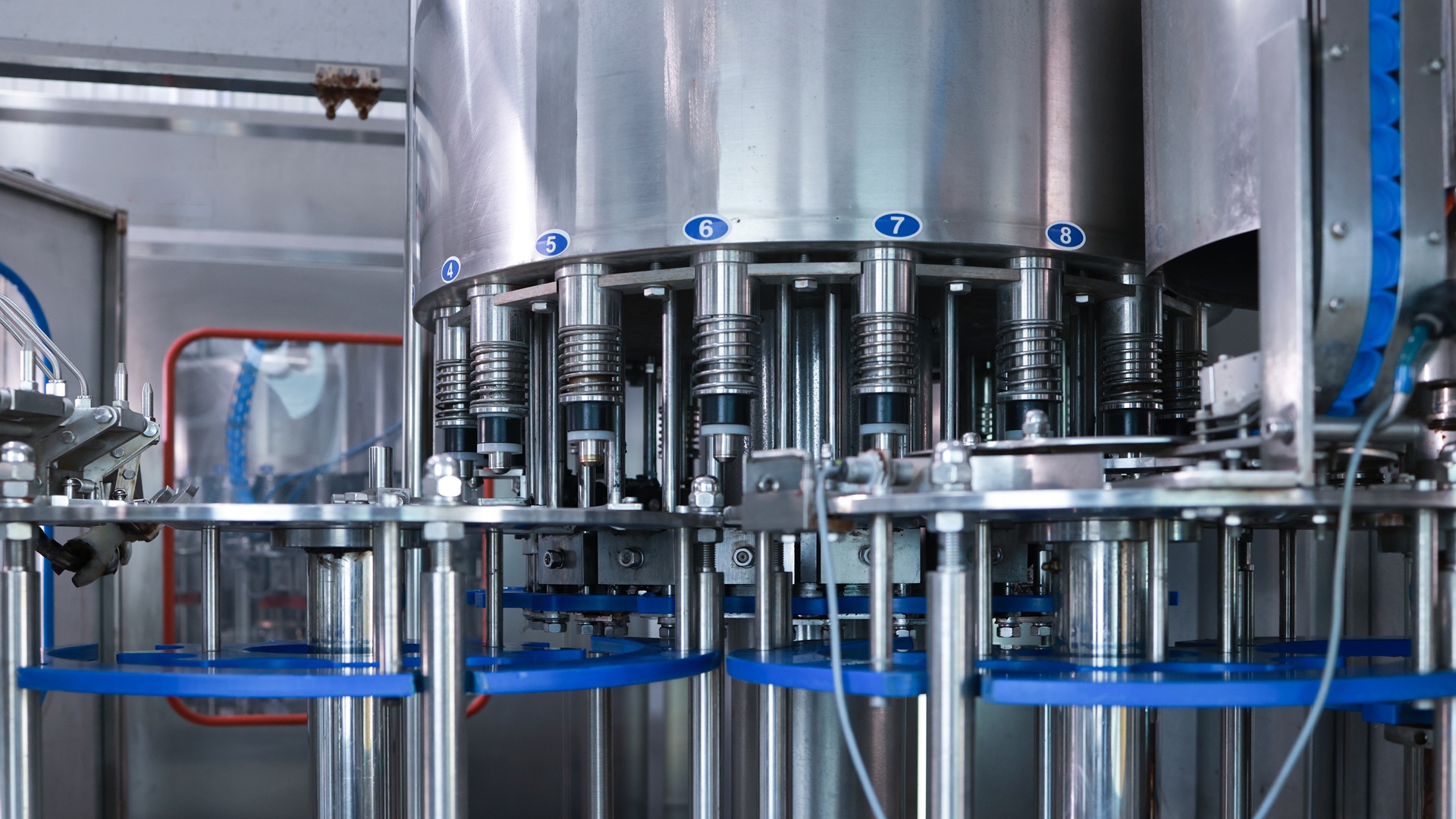
Danish healthcare giant Novo Nordisk has begun testing advanced reverse osmosis technology designed to purify industrial wastewater and reintroduce it directly into pharmaceutical manufacturing processes. The initiative, revealed in September 2026, aims to convert active production effluent into high-purity process water, potentially reducing the company's overall municipal and freshwater intake by up to 50 percent. If successfully scaled across its global manufacturing network, the recycling pilot could establish a technical model for water-intensive drugmakers operating in water-stressed regions.
Key facts
What happened
Novo Nordisk initiated trials evaluating the feasibility of using multi-stage reverse osmosis systems to reclaim wastewater generated during drug manufacturing operations, according to reporting by Neetika Walter. The trials focus on taking process wastewater—which typically contains trace pharmaceutical active ingredients, organic compounds, cleaning agents, and mineral salts—and passing it through specialized semipermeable membranes under high hydraulic pressure.
Under standard industrial wastewater treatment protocols, drug manufacturing effluent undergoes primary clarification and biological treatment before being discharged into municipal sewage systems or surface water bodies. By contrast, the reverse osmosis configuration being tested by Novo Nordisk creates a closed-loop or semi-closed-loop system. The high-pressure filtration forces water molecules through microscopic membrane pores while blocking larger chemical compounds, bacteria, endotoxins, and dissolved heavy metals.
The resulting permeate liquid is treated to meet stringent chemical and microbiological standards required for industrial utilities or direct manufacturing inputs. Initial trial metrics indicate that successfully implementing this filtration circuit across production lines could lower the firm's net freshwater intake by as much as 50 percent. This reduction would significantly alter the environmental footprint of facilities dedicated to chemical synthesis, fermentation, and drug formulation.
Why it matters
Water consumption in the pharmaceutical sector represents a growing operational vulnerability and environmental challenge. Manufacturing biological therapeutics, synthetic chemical entities, and injectable formulations requires millions of liters of potable water daily. Facilities rely heavily on highly purified water grades, including Purified Water (PW) and Water for Injection (WFI), to rinse sterile equipment, formulate liquid medications, and drive utility infrastructure such as steam generators and cooling towers. In conventional setups, a substantial fraction of this incoming water is discarded as process waste after single-use applications.
A potential 50 percent reduction in water intake by a major global pharmaceutical manufacturer like Novo Nordisk demonstrates how membrane separation technologies can decouple industrial expansion from freshwater exhaustion. For regions experiencing severe drought, seasonal groundwater depletion, or municipal water extraction quotas, lowering industrial withdrawal rates mitigates supply chain risks and eases pressure on municipal reservoirs.
From a regulatory and environmental standpoint, recycling process water also reduces the volume of treated effluent released into municipal waterways. Pharmaceutical effluent has historically drawn scrutiny from environmental regulators and public health officials concerned about ecotoxicity and the proliferation of antimicrobial resistance caused by trace active pharmaceutical ingredients entering river basins. Advanced reverse osmosis systems act as physical barriers to complex organic molecules, preventing bioactive residues from escaping into surrounding ecosystems while conserving regional water resources.
Furthermore, water reduction directly impacts operating expenditures. In many industrial zones, water management involves dual financial costs: local utility fees for raw municipal water procurement and municipal surcharges for trade effluent discharge. By capturing and purifying process streams internally, pharmaceutical operators can lower utility procurement expenses while simultaneously minimizing municipal discharge tariffs.
The background
The global pharmaceutical industry operates under strict regulatory frameworks governed by bodies such as the U.S. Food and Drug Administration (FDA), the European Medicines Agency (EMA), and local health authorities. Historically, drug safety regulations have heavily favored single-use, virgin water supplies to eliminate any risk of cross-contamination or chemical carryover between production batches. Standards outlined in official compendia, such as the United States Pharmacopeia (USP) and the European Pharmacopoeia (Ph. Eur.), define rigorous physical, chemical, and microbiological thresholds for water grades used in pharmaceutical preparation.
Reverse osmosis has long been utilized as a primary purification step to convert municipal drinking water into Purified Water. The technology relies on applying pressure greater than the natural osmotic pressure to force water through a dense polymer membrane layer. While reverse osmosis effectively removes more than 99 percent of dissolved salts, pyrogens, and organic matter, traditional applications have focused on treating clean intake water rather than heavily loaded wastewater streams.
Applying reverse osmosis to post-production wastewater introduces distinct engineering complexities. Pharmaceutical effluent contains complex mixtures of organic solvents, active ingredients, surfactants, and suspended solids that can cause severe membrane fouling, scaling, and biofouling. To overcome these limitations, modern industrial water reclamation systems integrate multi-barrier treatment trains. These typically combine microfiltration or ultrafiltration pretreatment, advanced oxidation processes (such as ultraviolet light combined with hydrogen peroxide), and secondary or tertiary reverse osmosis passes to protect delicate membrane surfaces and ensure consistent permeate quality.
Over the past decade, major drug companies have adopted public sustainability targets aiming for zero net environmental impact or substantial water neutrality by 2030 or 2040. Novo Nordisk, headquartered in Denmark, has expanded its global production footprint significantly to meet global demand for peptide-based therapies, including insulin and semaglutide products. This industrial scale-up has heightened the importance of sustainable resource management across its primary manufacturing hubs in Europe, North America, and Asia.
Reaction
Industry analysts and environmental engineers view the pilot as a pivotal test case for circular water management in high-purity manufacturing. While pharmaceutical trade associations and environmental advocacy groups have not yet issued formal joint statements regarding this specific pilot, sustainability experts frequently emphasize that industrial water reuse must become standard practice for sector-wide decarbonization and resource efficiency goals.
Regulators and municipal water authorities are expected to monitor the technical findings closely. Municipal utility operators in water-stressed basins generally support private industrial investments that reduce peak extraction demands on public infrastructure. However, health regulators are anticipated to maintain a rigorous posture, requiring extensive validation data before allowing reclaimed process water to be used in direct contact with active drug substances or sterile product contact surfaces.
What we don't know yet
Several critical technical, operational, and regulatory parameters remain unspecified in the initial disclosures. It is currently unconfirmed which specific manufacturing facilities or geographical regions are hosting the reverse osmosis trials, and whether the pilot is focused on chemical synthesis plants, formulation facilities, or localized utility loops.
Furthermore, the public reporting leaves open the question of how the recycled permeate will be categorized and utilized within the plant architecture. It remains unclear whether the reclaimed water is destined for non-product contact applications—such as cooling towers, facility sanitation, and boiler feed water—or if Novo Nordisk intends to validate the recycled stream for higher-grade process uses, such as initial equipment rinsing or chemical synthesis.
The long-term economic and operational viability of the pilot also depends on undisclosed technical factors, including membrane lifespan, energy consumption under high-pressure pump regimes, management of concentrated waste brine, and the total capital expenditure required to retrofit existing manufacturing infrastructure.
What to watch
In the coming months, observers will look for formal technical disclosures, white papers, or conference presentations from Novo Nordisk detailing public performance data from the reverse osmosis trials. Key performance metrics will include permeate recovery rates, energy intensity per cubic meter of purified water, and membrane durability when exposed to variable wastewater compositions.
Attention will also center on potential regulatory filings or pilot validation studies submitted to environmental and health authorities in Denmark, the European Union, or the United States. Regulatory approval or formal acceptance of recycled water standards for specific manufacturing stages would mark a major benchmark for the broader pharmaceutical sector.
Additionally, industry watchers will track whether Novo Nordisk announces timelines for scaling reverse osmosis recycling infrastructure across its major international manufacturing locations, and whether rival pharmaceutical multinationals adopt similar membrane purification targets to reduce their freshwater dependencies.
This report is based on original reporting by Neetika Walter.
How this story was produced
This report was written by The Global Wire newsroom from reporting first published by Neetika Walter. We verify the core facts against the original report, write our own account, and add the background and consequences a short wire item leaves out. Drafting is AI-assisted inside an editor-supervised pipeline, and every story is checked for accuracy of attribution, structure and duplication before it appears — full detail in our AI and funding disclosure.
Spotted an error? Tell us at corrections@horizonglobalnews.com and read our corrections policy or editorial standards.

Reader comments
Loading comments…