

Nel and Rheinmetall Partner to Explore Hydrogen-Based Synthetic Fuels for Defense
Norwegian electrolyzer maker Nel ASA and German defense group Rheinmetall AG have joined forces to evaluate mobile, decentralized fuel production for military and strategic infrastructure.
By The Global Wire Newsroom · Reported from Sujita Sinha
Link preview · horizonglobalnews.com
Nel and Rheinmetall Partner to Explore Hydrogen-Based Synthetic Fuels for Defense
Norwegian electrolyzer maker Nel ASA and German defense group Rheinmetall AG have joined forces to evaluate mobile, decentralized fuel production for military and strategic infrastructure.
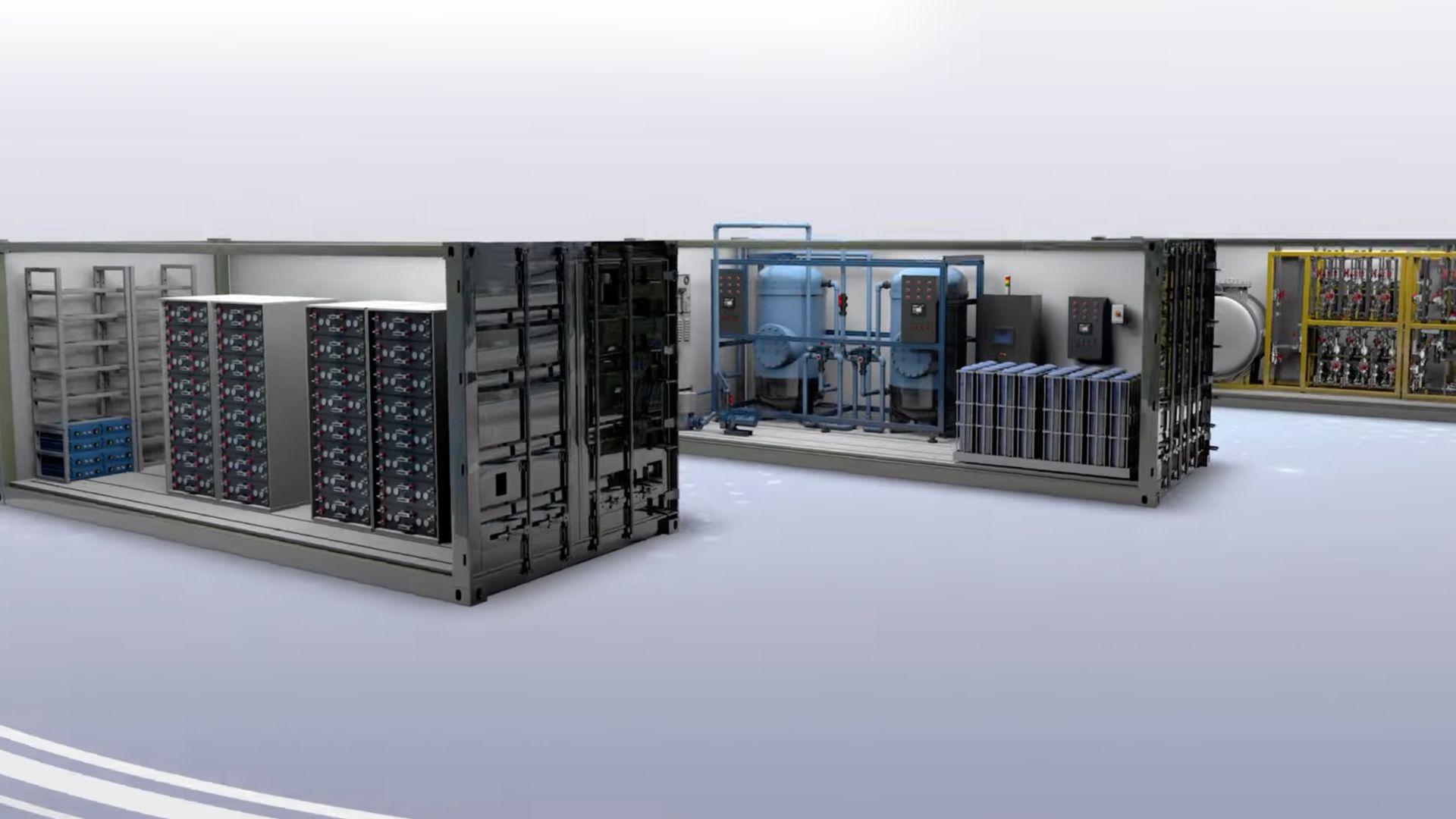
On Oct. 13, 2026, Norwegian hydrogen equipment manufacturer Nel ASA and German defense technology group Rheinmetall AG announced a strategic partnership to explore decentralized synthetic fuel production for defense applications and critical infrastructure, according to reporting by Sujita Sinha. The collaboration focuses on integrating hydrogen electrolysis units into localized, mobile energy production systems capable of manufacturing drop-in liquid fuels in field environments. By converting local water and carbon inputs into synthetic hydrocarbons using green hydrogen as an intermediary vector, the joint initiative aims to mitigate critical supply chain vulnerabilities associated with traditional fuel transport in contested theater environments, while offering alternative energy resilience for high-security civilian sites.
Key facts
What happened
Under the framework established between the two companies, Nel ASA will provide expertise in hydrogen generation technologies, specifically its proton exchange membrane (PEM) and pressurized alkaline electrolyzer architectures, according to Sujita Sinha's reporting. Rheinmetall AG, headquartered in Düsseldorf, Germany, will lead the system integration effort, adapting industrial Power-to-Liquid (PtL) concepts into ruggedized, transportable military hardware.
The technical workflow under evaluation relies on using electrical energy—sourced from field microgrids, portable solar arrays, wind turbines, or small modular reactors—to split water into hydrogen and oxygen through Nel’s electrolyzers. The resulting green hydrogen is subsequently combined with carbon dioxide, captured either directly from ambient air or from local industrial byproduct streams, using chemical synthesis routes such as the Fischer-Tropsch process or reverse water-gas shift reactions. The resulting output yields synthetic liquid hydrocarbons, commonly referred to as e-fuels or electro-fuels.
Because these synthetic fuels are chemically comparable to conventional refined petroleum products like NATO standard F-34 military diesel or Jet A-1 aviation fuel, they function as drop-in replacements. Heavy combat vehicles, tactical transport trucks, stationary power generators, and turbine aircraft can consume these fuels without requiring mechanical modifications or dedicated separate fuel distribution infrastructure.
Rather than relying exclusively on massive centralized refineries and vulnerable maritime or pipeline supply lines, the partnership explores scaling these synthesis units down into containerized, mobile packages. These units are designed to fit onto standard military flatbed logistics vehicles, such as Rheinmetall’s HX series of tactical trucks, allowing forward operating bases and remote commands to generate operational energy directly within their area of deployment.
Why it matters
Fuel logistics represent one of the single greatest operational vulnerabilities for modern armed forces. During military operations in Iraq and Afghanistan, armed forces consumed millions of gallons of liquid fuel daily. Studies by the United States Department of Defense revealed that up to 50 percent of all personnel casualties in convoy operations occurred during fuel and water resupply missions. By shifting fuel production from vulnerable, long-distance supply lines to localized, on-site synthetic generation, military planners can dramatically shorten exposure windows for supply columns while decreasing total strategic fuel requirements.
Beyond field operations, decentralized synthetic fuel capability addresses broader energy security concerns across NATO member states. Modern mechanized armies rely on high-density liquid hydrocarbons; battery-electric technologies currently lack the gravimetric energy density required to power 60-ton main battle tanks or high-performance fighter aircraft over operational ranges. Synthetic e-fuels bridge this technological gap, allowing armed forces to decarbonize operational training and align with strict civilian climate mandates without compromising tactical readiness or force structure.
For civilian critical infrastructure—such as national grid control centers, emergency medical complexes, water treatment facilities, and telecommunications hubs—decentralized hydrogen fuel production provides long-duration backup power capabilities. In the event of cyberattacks, sabotage, or physical damage to regional gas pipelines and electrical power grids, modular e-fuel systems paired with dual-fuel generators offer an off-grid energy bridge capable of operating independently for weeks.
The background
Nel ASA, based in Oslo, Norway, traces its industrial roots back to 1927, when its predecessor company installed the world's first industrial-scale water electrolyzer at a fertilizer plant in Telemark. Over the past decade, Nel has grown into one of Europe's premier publicly traded hydrogen technology firms, operating major manufacturing facilities in Herøya, Norway, and Wallingford, Connecticut. The company specializes in scaling up alkaline and PEM electrolyzer stacks used primarily for industrial decarbonization, steel manufacturing, and green ammonia production.
Rheinmetall AG, founded in 1889, is Germany’s largest defense contractor, producing heavy armor, artillery systems, air defense batteries, and tactical software. Following Russia’s full-scale invasion of Ukraine in February 2022 and Germany's subsequent *Zeitenwende* defense funding shift, Rheinmetall experienced unprecedented order backlogs and expanded its focus toward field mobility, military energy self-sufficiency, and logistics security.
The core chemistry underlying synthetic fuel production—the Fischer-Tropsch process—was originally developed in Germany during the 1920s to convert coal into liquid fuel. Modern Power-to-Liquid (PtL) technologies update this principle by replacing coal feedstocks with green hydrogen and captured carbon dioxide. While industrial-scale synthetic fuel projects have gained traction in commercial aviation and maritime shipping, mobile applications designed specifically for austere military environments present unique engineering challenges.
In recent years, defense research bodies—including the U.S. Defense Advanced Research Projects Agency (DARPA) and the NATO Energy Security Centre of Excellence in Vilnius, Lithuania—have funded pilot studies evaluating tactical e-fuel synthesis. These efforts aim to fulfill NATO’s Single Fuel Policy, which requires deployed forces to standardize fuel specifications across all land and air assets to simplify logistics.
Reaction
While neither company issued forward revenue targets alongside the announcement reported by Sujita Sinha, military logistics analysts and defense policy experts have watched the partnership with close interest. Defense strategists note that while localized fuel production provides strategic flexibility, its practical deployment will hinge on the total electrical energy input required to run mobile electrolysis stacks efficiently in active combat environments.
Energy sector analysts have observed that Nel’s entry into the defense supply chain reflects a broader diversification strategy by European green hydrogen companies, which have faced headwinds from delayed commercial adoption and supply chain inflation in civilian industrial sectors. By aligning electrolyzer technology with national security and defense procurement budgets, hydrogen hardware producers tap into sustained, government-backed capital streams.
Environmental and policy organizations focusing on defense sector decarbonization have quietly welcomed the initiative, emphasizing that synthetic e-fuels offer a viable pathway to reduce military scope 1 emissions without impairing mission performance. However, defense analysts caution that operational military commands will evaluate the technology strictly on cost per delivered gallon, operational uptime, and survivability under field conditions rather than carbon footprint reduction.
What we don't know yet
Several critical technical, operational, and financial details remain undisclosed following the initial partnership announcement:
What to watch
In the coming months, defense contractors, energy market participants, and military procurement officials will look for specific technical and commercial milestones to evaluate the viability of the partnership:
This report is based on original reporting published by Sujita Sinha.
How this story was produced
This report was written by The Global Wire newsroom from reporting first published by Sujita Sinha. We verify the core facts against the original report, write our own account, and add the background and consequences a short wire item leaves out. Drafting is AI-assisted inside an editor-supervised pipeline, and every story is checked for accuracy of attribution, structure and duplication before it appears — full detail in our AI and funding disclosure.
Spotted an error? Tell us at corrections@horizonglobalnews.com and read our corrections policy or editorial standards.



Reader comments
Loading comments…