

HasanAbi Demands Permanent Platform Ban for Asmongold, Accuses Tech Giants of Political Fear
Political commentator Hasan "HasanAbi" Piker has called for live-streamer Zack "Asmongold" to be permanently removed from Twitch and YouTube, accusing platforms of leniency due to political pressure.
By The Global Wire Newsroom · Reported from Aarnesh Shrivastava
Link preview · horizonglobalnews.com
HasanAbi Demands Permanent Platform Ban for Asmongold, Accuses Tech Giants of Political Fear
Political commentator Hasan "HasanAbi" Piker has called for live-streamer Zack "Asmongold" to be permanently removed from Twitch and YouTube, accusing platforms of leniency due to political pressure.
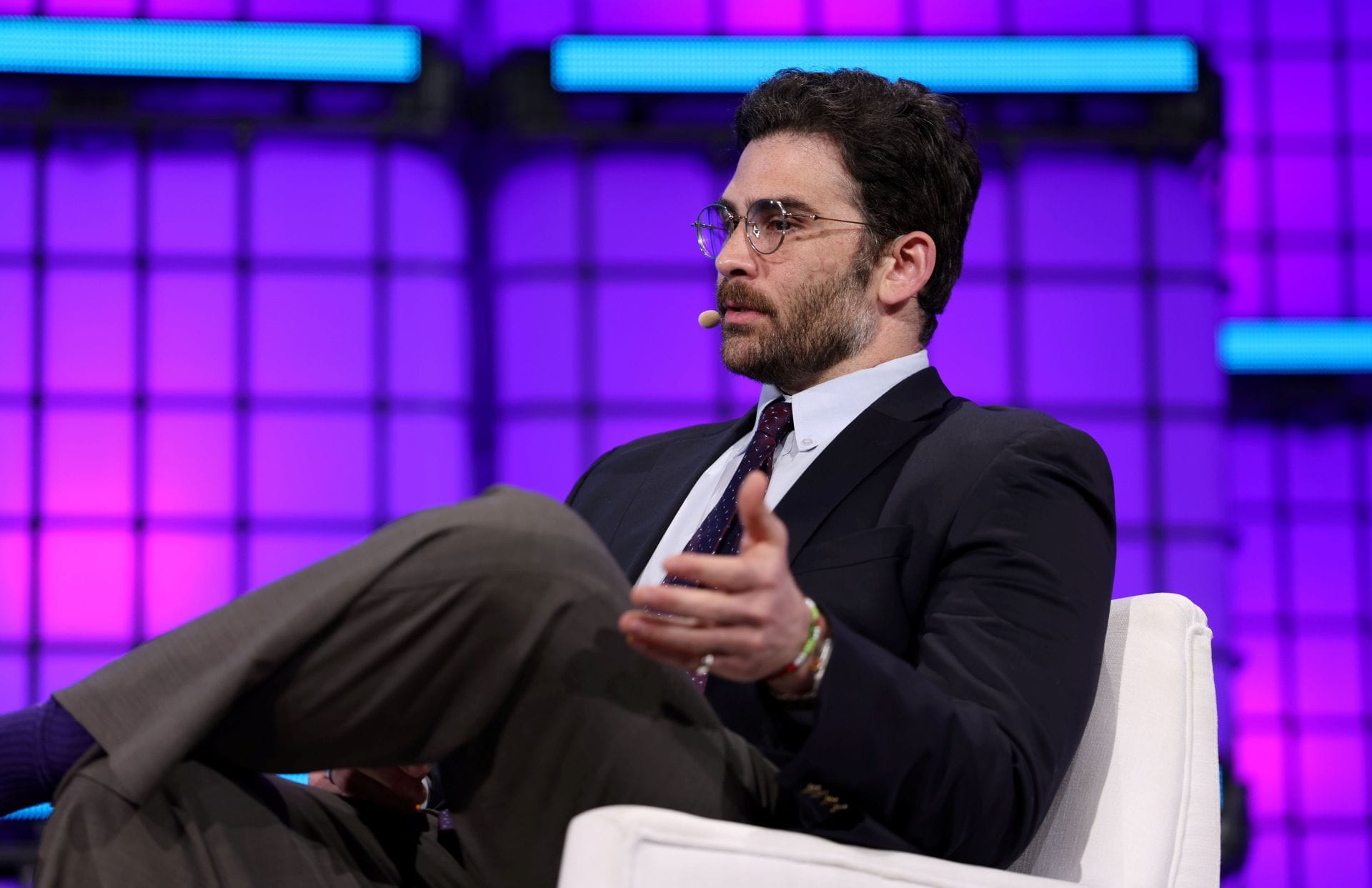
Political commentator and content creator Hasan "HasanAbi" Piker has publicly declared that fellow live-streamer Zack "Asmongold" should receive a permanent ban from major video sharing and streaming platforms Twitch and YouTube. In his statements, Piker argued that executives and safety teams governing these digital spaces refrain from taking decisive disciplinary action against prominent right-leaning figures because they are afraid of sparking widespread conservative backlash, according to reporting by Aarnesh Shrivastava.
The dispute highlights the ongoing tensions surrounding platform governance, terms of service enforcement, and the political friction that frequently surfaces within the live-streaming economy. As online content platforms face heightened scrutiny over how they moderate high-profile influencers, the comments from Piker bring renewed attention to perceived disparities in how content standards are applied across different political perspectives.
Calls for Permanent Platform Bans
During a recent commentary session, Piker targeted Asmongold, one of the most visible creators on Twitch, asserting that his conduct warrants a total and permanent suspension across both Amazon-owned Twitch and Google-owned YouTube. According to reporting by Aarnesh Shrivastava, Piker expressed frustration over what he characterized as repeated policy passes granted to high-volume streamers whose output frequently generates intense online controversy.
Both Twitch and YouTube operate under strict community guidelines that prohibit hate speech, harassment, misinformation, and conduct deemed harmful to their communities. While both platforms utilize a tiered disciplinary model ranging from temporary suspensions to permanent account terminations, critics often question whether these standards are applied consistently across all channel sizes. Piker argued that in the case of Asmongold, the threshold for a permanent expulsion has already been met, maintaining that any hesitation by platform managers stems from policy cowardice rather than adherence to official safety frameworks.
Allegations of Bias and Fear of Backlash
Central to Piker's criticism is the assertion that major technology corporations are inherently defensive when dealing with right-wing commentators and audiences. Piker claimed that platform executives are "terrified of angering the right-wing masses," suggesting that political considerations outweigh neutral rule enforcement when high-profile creators face potential bans.
According to reporting by Aarnesh Shrivastava, this accusation touches upon a broader narrative among left-leaning commentators who argue that corporate platforms overcorrect to avoid accusations of anti-conservative bias. For years, conservative political figures and digital influencers have accused tech companies in Silicon Valley of suppressing right-wing viewpoints and unfairly shadowbanning or suspending right-leaning accounts. Piker's statements turn this dynamic on its head, suggesting that the fear of conservative organized boycotts or political retribution has effectively insulated right-leaning creators from standard disciplinary consequences.
The Streaming Landscape and Content Policies
The conflict between prominent live-streamers takes place against the backdrop of a highly lucrative and competitive digital media sector. Twitch, which dominates the live-gaming and conversational streaming market, alongside YouTube, which commands a massive video-on-demand and live ecosystem, rely heavily on top-tier creators to drive user engagement and advertising revenue.
Managing creator behavior on live-streaming platforms poses unique structural challenges. Unlike pre-recorded media, live broadcasts occur in real time, making moderation inherently reactive. When high-profile streamers make controversial statements, platforms must evaluate whether the conduct violates broad guidelines prohibiting targeted harassment, hate speech, or dangerous rhetoric.
Decisions regarding account suspensions frequently trigger intense public debates among viewers, industry analysts, and rival creators. High-profile suspensions can lead to creator migration, loss of audience engagement, and negative press coverage from political advocacy groups across the ideological spectrum. Consequently, platforms often walk a narrow line between upholding user safety and protecting commercial interests.
Broader Context of Creator Conflicts
Rivalries between top-tier streamers are a defining feature of modern internet culture, often reflecting wider political and social divides. Piker, who built one of the largest political channels on Twitch focusing on left-wing commentary, progressive politics, and news reaction streams, frequently clashes with creators who champion alternative viewpoints or adopt anti-progressive stances.
Asmongold, known historically for his World of Warcraft content and gaming commentary, has increasingly expanded his focus into social commentary, media critiques, and political topics. His streams regularly draw tens of thousands of concurrent viewers, making him one of the most influential figures on live-streaming networks. Because both creators command substantial followings, their public spats often amplify broader ideological battles taking place across the internet, transforming creator disagreements into broader discussions on digital speech, censorship, and accountability.
Policy Enforcement and Platform Governance
The question of how digital platforms handle political speech and creator discipline remains one of the most contentious issues in contemporary tech policy. Both Twitch and YouTube have continually updated their moderation guidelines in recent years, attempting to establish clearer definitions of terms like harassment, hate speech, and off-platform conduct.
However, applying these rules to live broadcasts often creates enforcement inconsistencies. Industry experts note that major platforms face a systemic dilemma: suspending top creators risks alienating millions of active users and drawing accusations of censorship, while failing to penalize rule violations risks degrading platform safety and alienating advertisers sensitive to brand association.
Piker’s position reflects a growing demand among progressive commentators for stricter enforcement of terms of service against figures whose content is perceived to breach community standards. Conversely, defenders of creators facing ban calls often argue that platform rules are overly broad, subjective, and vulnerable to targeted reporting campaigns organized by political opponents.
Outlook for Streaming Moderation
Neither Twitch nor YouTube has issued an official response regarding Piker's specific demands or his characterization of their moderation practices. As live-streaming remains a primary news and entertainment medium for younger demographics, the institutional policies governing online speech will continue to face rigorous public scrutiny.
The ongoing friction between high-profile content creators underscores the challenging position occupied by tech platforms as they navigate political polarization, community management, and financial imperatives. Whether platforms will adjust their enforcement strategies in response to public pressure from creator figures remains an open question as the digital broadcasting ecosystem evolves.
This article incorporates reporting originally published by Aarnesh Shrivastava.
How this story was produced
This report was written by The Global Wire newsroom from reporting first published by Aarnesh Shrivastava. We verify the core facts against the original report, write our own account, and add the background and consequences a short wire item leaves out. Drafting is AI-assisted inside an editor-supervised pipeline, and every story is checked for accuracy of attribution, structure and duplication before it appears — full detail in our AI and funding disclosure.
Spotted an error? Tell us at corrections@horizonglobalnews.com and read our corrections policy or editorial standards.


Reader comments
Loading comments…