

Gary Woodland Opens Up About PTSD Battle Following Brain Surgery
The 2019 U.S. Open champion hopes sharing his daily mental health struggles will assist others navigating medical trauma.
By The Global Wire Newsroom · Reported from Mark Schlabach
Link preview · horizonglobalnews.com
Gary Woodland Opens Up About PTSD Battle Following Brain Surgery
The 2019 U.S. Open champion hopes sharing his daily mental health struggles will assist others navigating medical trauma.
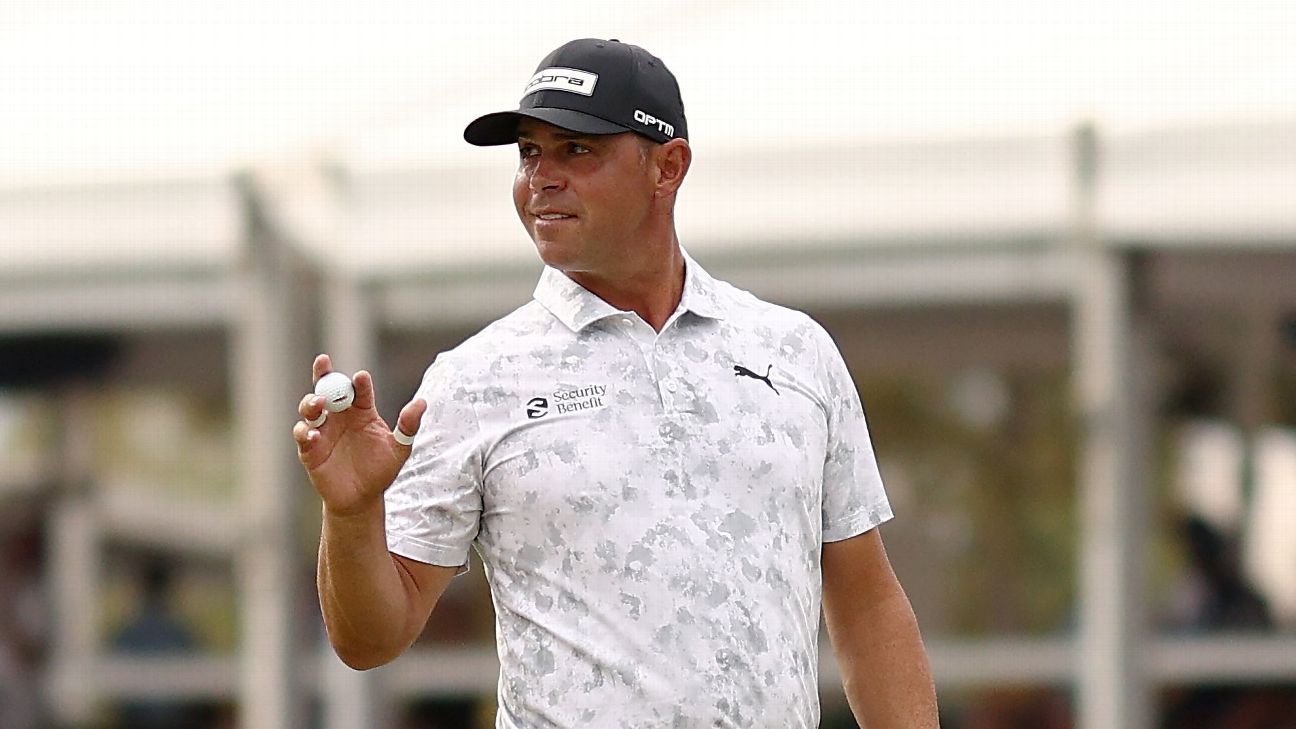
Former U.S. Open champion Gary Woodland has spoken candidly about his ongoing battle with post-traumatic stress disorder, revealing that he continues to face significant mental health challenges following major brain surgery in late 2023. Addressing his health journey publicly, the 40-year-old professional golfer acknowledged that while he experiences frequent difficult days during his recovery, he hopes sharing his personal struggles will offer comfort and encouragement to others navigating psychological trauma. Woodland underwent a complex surgical procedure in September 2023 to remove a lesion from his brain after experiencing months of severe physical and emotional distress. Although he returned to competitive play on the PGA Tour in early 2024, his comments highlight the enduring psychological toll that life-threatening medical events inflict on elite athletes.
Key facts
What happened
Gary Woodland's medical crisis began in early 2023 when he experienced a series of unexplained and severe physical symptoms. The golfer reported waking up in the middle of the night with intense chills, uncontrollable hand tremors, severe anxiety, and a pervasive fear of death. As these symptoms escalated over several weeks, Woodland sought medical testing to determine the cause of his distress.
In May 2023, an MRI scan revealed a lesion on Woodland's brain, located in a region responsible for processing fear and emotional responses. Medical specialists initially attempted to manage the growth with medication, aiming to control his symptoms while allowing him to continue competing during the PGA Tour season. However, pharmacological treatments failed to fully relieve his physical shaking and psychological distress, which repeatedly interfered with his daily life and performance on the course.
Concluding that non-surgical options were inadequate, Woodland and his care team decided to proceed with surgery. On Sept. 18, 2023, surgeons performed a craniotomy to excise the lesion, successfully removing a majority of the mass and reducing pressure on surrounding brain tissue. Following the operation, Woodland underwent intensive rehabilitation to regain physical strength, coordination, and stamina.
Woodland made his return to the PGA Tour on Jan. 11, 2024, at the Sony Open in Hawaii. While reaching physical readiness within four months represented a notable milestone, Woodland emphasized that physical healing is only one part of his recovery. In recent remarks, he revealed that the psychological fallout from the diagnosis and surgery led to a diagnosis of post-traumatic stress disorder. Acknowledging that he faces "a lot of days that suck," Woodland explained that speaking openly about his condition helps give purpose to his recovery by demonstrating that mental healing is an ongoing, non-linear process.
Why it matters
Woodland's openness about his PTSD carries important implications for professional athletics, medical awareness, and public perception of mental health. Elite sports culture has historically promoted stoicism, encouraging athletes to hide mental health struggles. By discussing a condition resulting from a medical crisis, Woodland helps expand discussions about athlete wellness to include neurotrauma and medical-induced trauma.
His experience draws attention to medical PTSD, a form of trauma that affects individuals who have faced life-threatening medical diagnoses, emergency surgeries, or critical care hospitalizations. Brain lesions and neurosurgical interventions can directly impact neurological pathways while causing significant emotional stress, placing patients at risk for long-term anxiety and hypervigilance.
From a performance standpoint, Woodland's situation illustrates the unique demands of professional golf. Unlike team sports where athletes can rely on teammates during difficult moments, golf requires sustained individual focus and emotional regulation under high pressure. Managing PTSD symptoms—such as intrusive fear or fatigue—presents major hurdles when competing at the highest level of professional golf.
Additionally, Woodland's transparency offers a relatable model for non-athletes facing long recoveries. By acknowledging that difficult days remain part of his journey, he helps normalize the complex reality of trauma recovery.
The background
Born on April 21, 1984, in Topeka, Kansas, Gary Woodland was a standout multi-sport athlete in high school, playing basketball before transferring from Washburn University to the University of Kansas to pursue golf. He turned professional in 2007 and earned his PGA Tour card for the 2009 season.
Known for his powerful driving distance, Woodland earned his first PGA Tour victory at the 2011 Transitions Championship, followed by titles at the 2013 Reno-Tahoe Open and the 2018 Waste Management Phoenix Open. His career milestone arrived in June 2019, when he won the 119th U.S. Open at Pebble Beach Golf Links, finishing at 13-under-par 271 to secure a four-stroke victory over runner-up Brooks Koepka.
The discovery of his brain lesion in 2023 interrupted his career. Brain lesions can exert physical pressure on delicate neurological structures controlling fear and autonomic regulation, such as the temporal lobe and amygdala. Patients undergoing neurosurgery often face post-operative mood disruptions and anxiety as their nervous system recovers from both physical intervention and emotional shock.
To assist players returning from major medical conditions, the PGA Tour provides major medical exemptions. These allow eligible players a set number of tournament starts to accumulate FedExCup points needed to maintain full playing privileges. Woodland used this status during his 2024 return to competition.
Reaction
Woodland's disclosure of his PTSD diagnosis has generated support across the professional golf community. Fellow players, caddies, and tour officials praised his courage and openness when he returned to competition in early 2024.
Mental health organizations and neurosurgical patient support groups have also praised Woodland's comments. Advocates emphasize that high-profile figures discussing post-surgical psychological challenges help destigmatize therapy and mental health care.
While major golf associations have not released formal new statements regarding his recent comments, sports analysts expect Woodland's openness to foster broader conversations about player wellness on tour. Woodland is expected to continue addressing his ongoing rehabilitation during standard press conferences at future tournaments.
What we don't know yet
Key details surrounding Woodland's long-term medical outlook remain undisclosed. Detailed clinical specifics regarding the precise pathological nature of the excised lesion have not been released by Woodland or his medical providers.
It also remains uncertain how managing ongoing PTSD symptoms will affect his tournament schedule in the coming seasons. While Woodland successfully resumed competing in early 2024, whether he will require periodic breaks or modified preparation routines remains unclear.
Furthermore, the long-term impact on his tournament performance and world ranking remains to be seen. Given the intense mental focus required in professional golf, the trajectory of his athletic return will unfold over upcoming PGA Tour seasons.
What to watch
Observers will closely follow Woodland's performance metrics and playing schedule on the PGA Tour. Key factors include his consistency across four-round events and his physical endurance during high-pressure final rounds.
It will also be worth watching whether Woodland formalizes his advocacy work by partnering with mental health organizations or brain tumor foundations to support patients facing similar trauma.
Finally, stakeholders will watch for any broad policy updates or mental health support enhancements implemented by the PGA Tour to assist players recovering from severe medical conditions.
This report is based on reporting by Mark Schlabach.
How this story was produced
This report was written by The Global Wire newsroom from reporting first published by Mark Schlabach. We verify the core facts against the original report, write our own account, and add the background and consequences a short wire item leaves out. Drafting is AI-assisted inside an editor-supervised pipeline, and every story is checked for accuracy of attribution, structure and duplication before it appears — full detail in our AI and funding disclosure.
Spotted an error? Tell us at corrections@horizonglobalnews.com and read our corrections policy or editorial standards.



Reader comments
Loading comments…