

Concerns Rise Over Potential U.S. Action on Eve of Brazil Presidential Election
Diplomats and observers monitor Washington closely as incumbent Luiz Inácio Lula da Silva faces conservative rival Flávio Bolsonaro.
By The Global Wire Newsroom · Reported from Alexander Willis
Link preview · horizonglobalnews.com
Concerns Rise Over Potential U.S. Action on Eve of Brazil Presidential Election
Diplomats and observers monitor Washington closely as incumbent Luiz Inácio Lula da Silva faces conservative rival Flávio Bolsonaro.
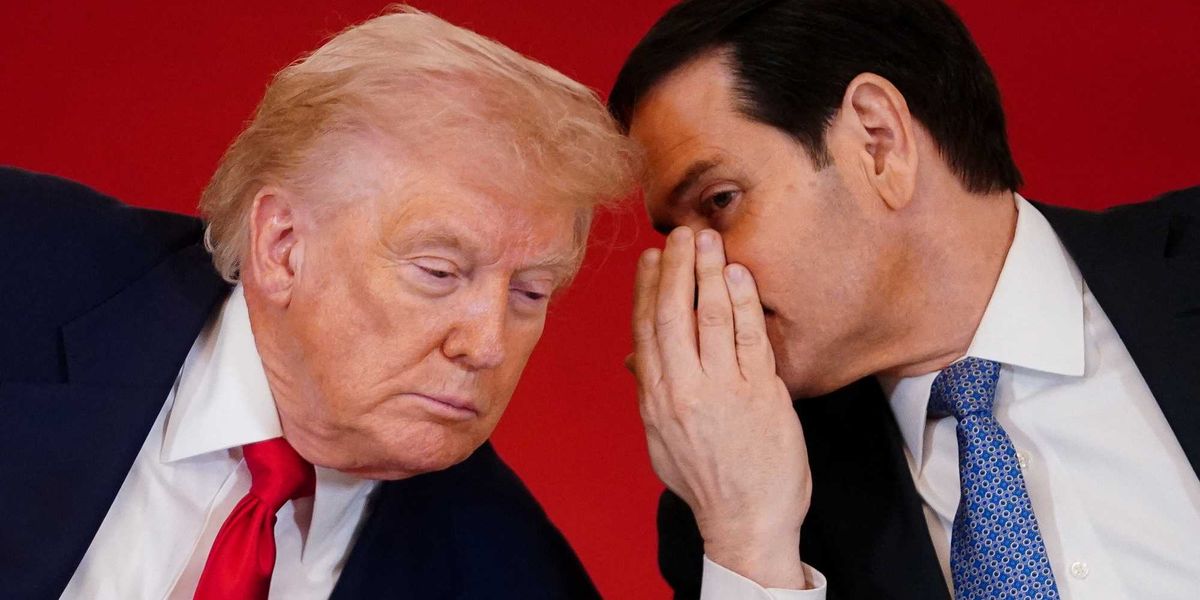
Concerns mounted on October 3, 2026, over potential actions by the U.S. administration under President Donald Trump on the eve of Brazil's high-stakes presidential election. Incumbent leftist President Luiz Inácio Lula da Silva faces conservative Senator Flávio Bolsonaro in a contest with major geopolitical implications. Political analysts and diplomatic observers reported heightened anxiety in Brasilia following indications that Washington might deploy diplomatic statements or executive measures aimed at influencing the vote or challenging its integrity. The election pits two starkly opposing visions for Latin America's largest democracy, drawing intense global scrutiny to the voting process scheduled for Sunday, October 4.
Key facts
What happened
On Saturday, October 3, 2026, twenty-four hours before polls were set to open across Brazil, political figures and foreign policy observers expressed growing apprehension regarding potential last-minute actions by the White House. Reports indicated that officials within the administration of President Donald Trump appeared to be positioning the U.S. government to take formal or informal steps targeting the election, causing concern among diplomats in Brasilia and international policy specialists.
The heightened alert coincided with the final hours of campaign activity in Brazil. Candidates finalized their voter outreach efforts across the country's 26 states and the Federal District, while party managers prepared poll watchers for Election Day operations. Within political circles in Brasilia, speculation centered on whether Washington would issue official statements casting doubt on the Brazilian voting framework or announce diplomatic measures designed to bolster the candidacy of Flávio Bolsonaro.
Supporters of Lula da Silva's Workers' Party emphasized the need to safeguard sovereign electoral processes from foreign pressure, while representatives for Flávio Bolsonaro's Liberal Party maintained focus on energizing conservative voters. Diplomatic corps in both Brasilia and Washington monitored government communications closely throughout the day for any formal decrees, executive statements, or diplomatic cables indicating foreign policy shifts.
Why it matters
The political trajectory of Brazil carries substantial significance for international trade, environmental policy, and global diplomatic coalitions. As South America's largest country by population and economic output—with a Gross Domestic Product exceeding $2 trillion—Brazil plays a pivotal role in hemispheric stability and global commodity markets.
A change in leadership or significant electoral instability in Brasilia directly impacts international markets for key exports, including soybeans, beef, iron ore, and crude oil. Brazil is also a leading force in global energy production through state-controlled oil firm Petrobras and a dominant agricultural producer. Furthermore, the nation encompasses the majority of the Amazon rainforest, making its domestic environmental policy central to global climate agreements and international conservation funding.
Geopolitically, the election highlights contrasting foreign policy approaches. Under President Lula da Silva, Brazil has pursued an active non-aligned foreign policy, emphasizing leadership within the BRICS grouping alongside China, India, Russia, and South Africa, while fostering trade ties across the Global South. Conversely, a victory for Flávio Bolsonaro would realign Brazilian diplomacy closely with conservative movements in the United States and Western Europe, reshaping regional alliances in South America. Potential foreign intervention or disputes over election legitimacy risk undermining institutional stability across Latin America and escalating diplomatic friction between Washington and major South American nations.
The background
The 2026 election represents the latest chapter in a turbulent decade for Brazilian politics. Luiz Inácio Lula da Silva previously served two terms as president from 2003 to 2010, presiding over an economic boom fueled by strong global commodity demand. After facing corruption charges that were later annulled by the Federal Supreme Court due to procedural irregularities and judicial bias, Lula returned to political life and defeated incumbent Jair Bolsonaro in October 2022 by a narrow margin of 50.9 percent to 49.1 percent.
Jair Bolsonaro's presidency from 2019 to 2022 was defined by socially conservative policies, deregulation, and strong personal ties to Donald Trump during Trump's first White House term. Following his 2022 defeat, thousands of Bolsonaro supporters stormed the Brazilian Congress, Supreme Court, and Presidential Palace on January 8, 2023, demanding military intervention. In the aftermath, Brazilian electoral courts rendered Jair Bolsonaro ineligible to run for public office until 2030 due to abuse of political power during his presidency.
In response to his father's legal disqualification, Senator Flávio Bolsonaro emerged as the primary standard-bearer for the Brazilian political right. Representing the Liberal Party, Flávio Bolsonaro built his campaign around fiscal conservatism, law-and-order policies, and close cooperation with international conservative figures, most notably Donald Trump. Trump, who returned to the presidency in January 2025 following his 2024 election victory, has repeatedly praised the Bolsonaro family and criticized progressive leadership in South America.
Brazil's election system relies on 100 percent electronic voting machines overseen by the Superior Electoral Court. First implemented in 1996, the system has undergone rigorous testing and audits. Despite receiving consistent praise from international election observers for speed and efficiency, the system has occasionally been the subject of political criticism from conservative figures questioning its transparency.
Reaction
The prospect of U.S. intervention drew cautious and guarded reactions across the Brazilian political spectrum on October 3. Representatives associated with President Lula da Silva's campaign stressed the importance of respecting democratic institutions and national sovereignty, cautioning against foreign interference in domestic electoral affairs. Campaign advisers reiterated confidence in the security of the nation's electronic voting system and the authority of the Superior Electoral Court.
Members of Flávio Bolsonaro's Liberal Party emphasized their candidate's strong international relationships, characterizing close ties with Washington as an asset for future trade and diplomatic cooperation. Conservative commentators framed foreign support as alignment on shared political values rather than improper pressure.
International observers, including representatives from regional election monitoring organizations and legal institutions, urged all parties to respect the official count produced by the Superior Electoral Court. Diplomatic representatives in Brasilia expressed hope that Election Day would proceed peacefully without disruptions or contested outcomes that could strain bilateral relations between the two largest economies in the Western Hemisphere.
What we don't know yet
Several critical elements remain unresolved as voters head to the polls:
What to watch
Reporting for this article was provided by Alexander Willis.
How this story was produced
This report was written by The Global Wire newsroom from reporting first published by Alexander Willis. We verify the core facts against the original report, write our own account, and add the background and consequences a short wire item leaves out. Drafting is AI-assisted inside an editor-supervised pipeline, and every story is checked for accuracy of attribution, structure and duplication before it appears — full detail in our AI and funding disclosure.
Spotted an error? Tell us at corrections@horizonglobalnews.com and read our corrections policy or editorial standards.


Reader comments
Loading comments…