

California Senate Votes to Fine Influencers Who Fail to Disclose Paid Political Posts
Legislation passed in Sacramento creates financial penalties for content creators who conceal payments for promoting political candidates or ballot measures.
By The Global Wire Newsroom · Reported from The Associated Press; Feedloaderapi
Link preview · horizonglobalnews.com
California Senate Votes to Fine Influencers Who Fail to Disclose Paid Political Posts
Legislation passed in Sacramento creates financial penalties for content creators who conceal payments for promoting political candidates or ballot measures.
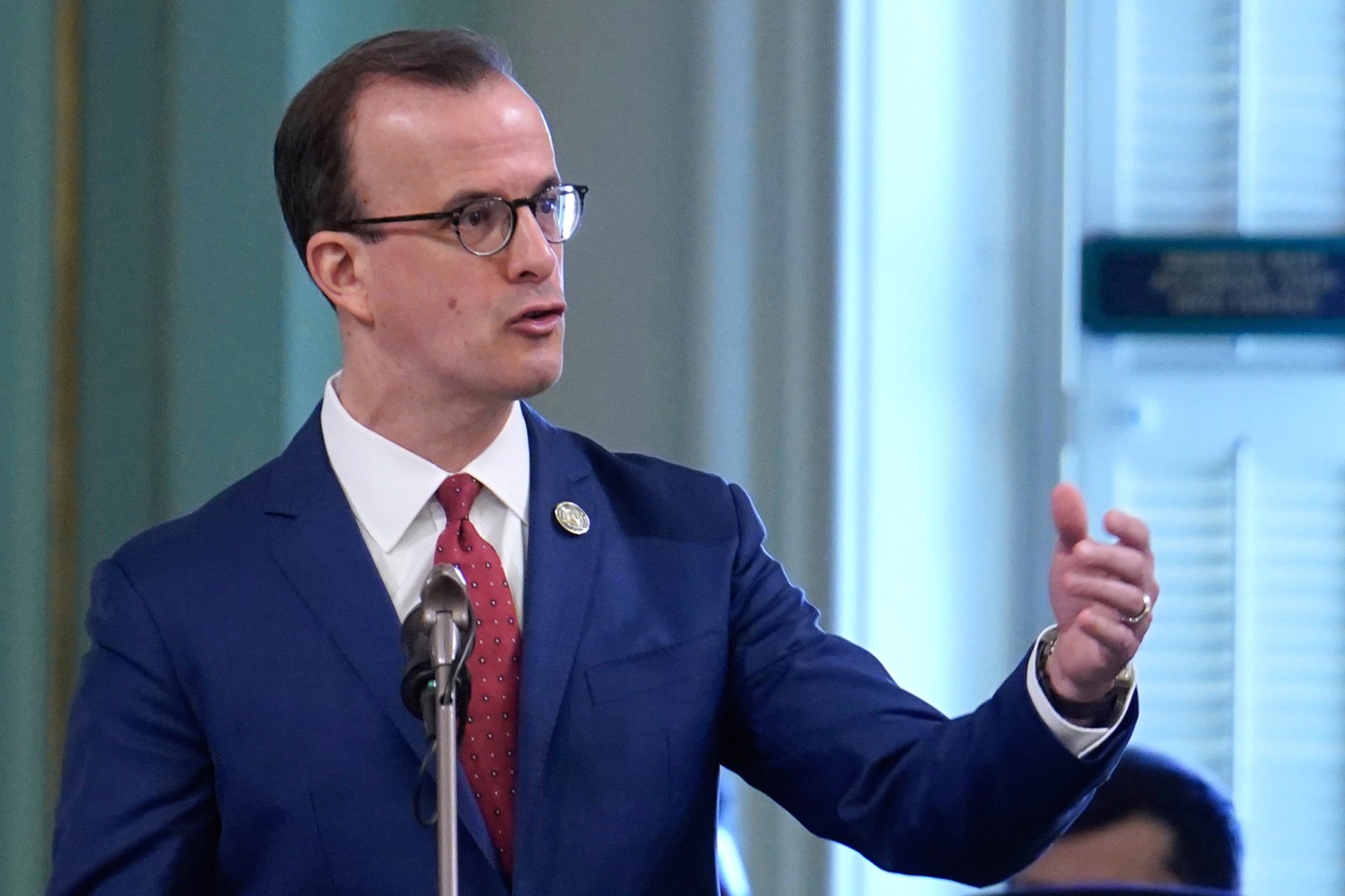
SACRAMENTO, Calif. — The California State Senate approved legislation on Aug. 24, 2026, establishing monetary fines for social media content creators and online influencers who fail to explicitly disclose when they are paid to post in support of political candidates or ballot measures. The legislative action targets a rapidly expanding segment of digital campaign operations where political operatives, campaigns, and political action committees pay popular online personalities to endorse candidates or issues without informing viewers that the posts are paid advertisements.
Key facts
What happened
Lawmakers in the California Senate voted on Monday to move forward with a bill designed to enforce financial transparency across digital media platforms operating within the state. Under the provisions of the legislation, any individual or entity operating as a digital content creator who receives direct or indirect compensation to produce, share, or amplify content supporting or opposing a candidate or ballot issue must include a clear and conspicuous disclosure within the post itself.
Failure to provide this mandatory notification will subject the creator to financial penalties enforced by state regulatory bodies. While traditional political advertising on television, radio, print, and display web banners has long required explicit disclaimers identifying the funding entity, the rise of creator-led political marketing has permitted campaigns to sponsor posts that appear to reflect organic, uncompensated personal opinions.
According to reporting by The Associated Press, the Senate's vote reflects growing legislative concern over the covert deployment of digital creators during state election cycles. The bill outlines specific standards for what constitutes compensation, encompassing direct cash payments, gifts, trips, equity, or future campaign promises provided in exchange for favorable social media coverage.
Why it matters
The passage of the Senate measure addresses a fundamental shift in political communication strategies and campaign expenditure allocations. Over the past decade, political campaign managers have increasingly diverted capital away from traditional media buys toward digital creators who hold high-trust relationships with specific demographic groups, particularly younger voters who do not consume traditional news broadcasts.
Because creator content is designed to feel personal and authentic, undisclosed political sponsorship presents distinct consumer protection and voter manipulation risks. When an influencer delivers a scripted political message disguised as an unprompted personal conviction, voters are deprived of the essential context required to evaluate the credibility and motivation behind the endorsement.
Furthermore, California serves as a primary regulatory testbed for the broader digital advertising industry. As the most populous state in the nation and a central hub for technology platforms, state-level regulations passed in Sacramento frequently set operational standards for digital campaign compliance nationwide. If enacted, this legislation will force campaign finance officers, digital talent agencies, and independent creators to establish formal compliance and auditing protocols to ensure every paid political engagement carries standard attribution disclaimers.
The background
Political disclosure regulations in California are historically governed by the Political Reform Act of 1974, which established the Fair Political Practices Commission (FPPC) to enforce campaign finance rules, lobbyist registrations, and political advertising transparency. While the Political Reform Act mandated that political committees identify themselves on mailers, television broadcasts, and billboards, the statutory definitions were drafted decades before the advent of monetized social media networks.
At the federal level, regulatory oversight of digital promotions is split between two separate frameworks with distinct jurisdictions. The Federal Trade Commission (FTC) enforces rules regarding commercial endorsements, requiring influencers to disclose paid partnerships with commercial brands using clear tags such as #ad or #sponsored. However, the FTC's enforcement mandate focuses primarily on commercial trade and consumer deception rather than political campaign speech.
Conversely, the Federal Election Commission (FEC) oversees political campaign advertising but historically limited its digital disclaimer requirements to paid communications placed on websites for a fee, such as programmatic display banners or sponsored search listings. This left a significant regulatory void regarding instances where a campaign pays a content creator directly to publish a video or post on the creator's personal account, rather than purchasing ad space directly from the hosting platform.
In recent election cycles, California ballot measure campaigns—which regularly attract hundreds of millions of dollars in spending from corporations, labor unions, and advocacy organizations—have relied heavily on influencer outreach networks. Unregulated campaign funds could previously flow through intermediary public relations agencies to individual micro-influencers without appearing as explicit advertising expenditures on public disclosure reports, complicating efforts by journalists and watchdog agencies to follow campaign money trails.
Reaction
While specific debate transcripts and formal statements from individual state senators were not detailed in the initial wire report, legislative proposals of this nature typically draw intense scrutiny from constitutional legal scholars, political advocacy organizations, and tech policy commentators.
Campaign finance reform advocates and voting rights organizations generally endorse strict disclosure requirements, arguing that public transparency is essential for preventing dark money from skewing elections. Transparency groups emphasize that disclosure does not restrict what an influencer can say, but merely requires public truthfulness regarding financial backing.
Conversely, legal scholars specializing in First Amendment law frequently examine whether state restrictions on political speech meet the constitutional standard of strict scrutiny. Opponents or challengers of political speech regulations often argue that vague definitions of what constitutes a 'political post' or 'compensation' could inadvertently penalize unpaid citizens discussing public affairs, or burden spontaneous online political expression. Digital talent managers and creator advocates are also expected to seek clear regulatory guidance regarding the exact wording, placement, and visual font size required for disclosures to prevent creators from facing unexpected state fines.
What we don't know yet
Several key statutory and administrative details regarding the legislation remain open questions based on the preliminary wire reporting from The Associated Press:
What to watch
The immediate future of the legislation depends on the procedural calendar of the California State Legislature in Sacramento. Observers should track whether the bill requires additional committee reviews or concurrence votes in the state Assembly prior to the formal conclusion of the legislative session.
If the measure passes both legislative chambers, it will proceed to the governor of California, who will have a designated statutory window to either sign the bill into law, allow it to take effect without a signature, or exercise a gubernatorial veto. Should the bill be enacted, legal analysts will closely monitor potential court challenges filed by digital rights organizations or political action groups seeking pre-enforcement injunctions on First Amendment grounds.
Additionally, watch for the California Fair Political Practices Commission or designated administrative bodies to draft formal rulemaking guidelines. These regulatory guidelines will define the precise operational standards for compliant disclosures, including required video text overlays, verbal audio disclaimers, and formal campaign finance reporting procedures for digital talent agencies representing political creators.
This report is based on original news gathering conducted by The Associated Press.
How this story was produced
This report was written by The Global Wire newsroom from reporting first published by The Associated Press; Feedloaderapi. We verify the core facts against the original report, write our own account, and add the background and consequences a short wire item leaves out. Drafting is AI-assisted inside an editor-supervised pipeline, and every story is checked for accuracy of attribution, structure and duplication before it appears — full detail in our AI and funding disclosure.
Spotted an error? Tell us at corrections@horizonglobalnews.com and read our corrections policy or editorial standards.





Reader comments
Loading comments…