

Reserve Bank of India Set to Announce Policy Rate Decision as MPC Concludes
RBI Governor Sanjay Malhotra will deliver the Monetary Policy Committee's decision during a live broadcast on the final day of deliberations.
By The Global Wire Newsroom · Reported from Mohammad Haris
Link preview · horizonglobalnews.com
Reserve Bank of India Set to Announce Policy Rate Decision as MPC Concludes
RBI Governor Sanjay Malhotra will deliver the Monetary Policy Committee's decision during a live broadcast on the final day of deliberations.
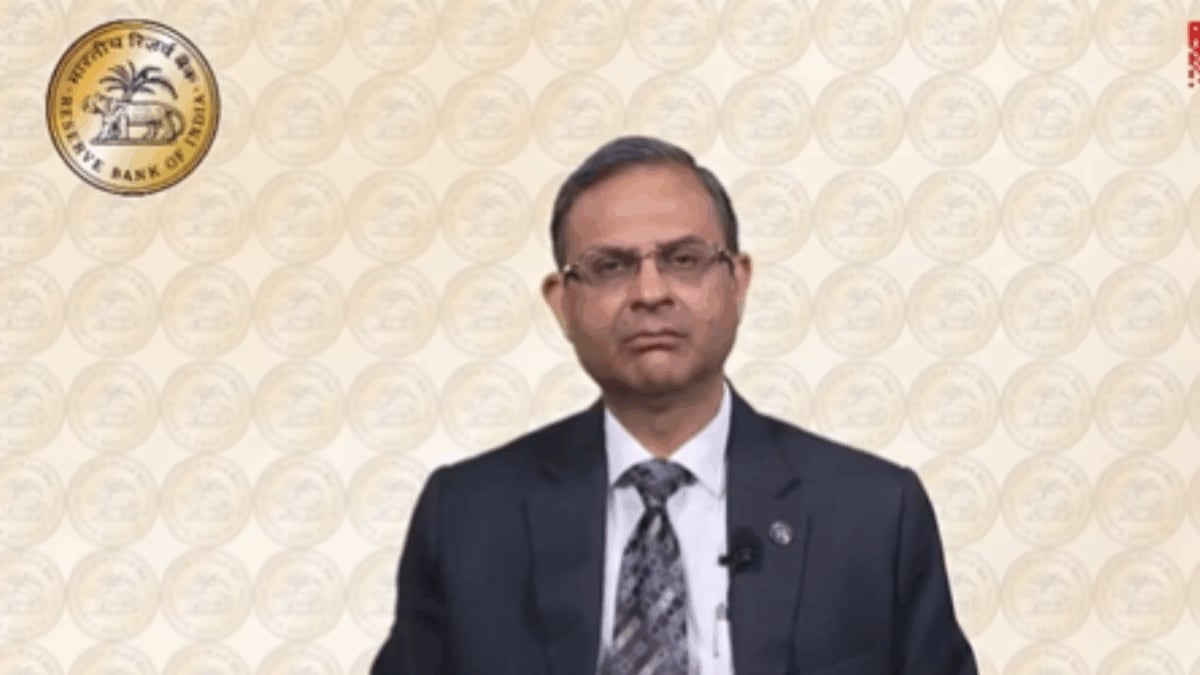
MUMBAI — The Reserve Bank of India is scheduled to unveil its latest monetary policy decision today, concluding a multi-day meeting of its Monetary Policy Committee. RBI Governor Sanjay Malhotra will deliver the policy address at 10:00 a.m. local time, detailing the central bank's stance on key interest rates and its outlook on the broader macroeconomic environment. The announcement, which marks the culmination of the committee's scheduled deliberations for August 2026, is being made available to the public and financial markets through a live broadcast.
Policy decision schedule
According to reporting by Mohammad Haris, the central bank governor's address is scheduled for 10:00 a.m. on the final day of the Monetary Policy Committee (MPC) proceedings. The address serves as the primary mechanism through which the RBI communicates its immediate policy adjustments, economic projections, and underlying rationale to financial institutions, investors, and the general public.
The decision follows intensive discussions held by the six-member committee over several days. Such bi-monthly policy reviews evaluate domestic economic performance, credit growth, price stability, and global financial conditions to determine whether adjustments to key benchmark rates are necessary. The live broadcast of Governor Malhotra's speech provides real-time access to the central bank's directives, allowing financial markets to digest the policy stance immediately upon disclosure.
The role of the Monetary Policy Committee
The Monetary Policy Committee operates as the primary decision-making body responsible for fixing the benchmark interest rate in India. Established to bring greater transparency, accountability, and institutional rigor to monetary policy, the panel consists of both internal representatives from the Reserve Bank of India and external experts appointed by the government.
Under the prevailing statutory framework, the committee operates with a primary mandate to maintain price stability while keeping in mind the objective of economic growth. The primary instrument managed by the MPC is the repo rate—the rate at which the central bank lends short-term money to commercial banks against government securities. Adjustments to the repo rate ripple through the entire financial system, influencing the marginal cost of funds for commercial lenders, interbank call money rates, and yield curves across sovereign and corporate bond markets.
During its multi-day sessions, the committee reviews detailed presentations from various departments within the central bank, including economic research, financial stability, and market operations. Each member casts a vote on the proposed policy rate and the overarching monetary stance, with the final resolution decided by a majority. In the event of a tie, the governor holds a casting vote.
Economic factors influencing central bank strategy
Central banks evaluate a broad matrix of macroeconomic indicators when assessing whether to adjust interest rates, maintain a status quo, or shift their monetary stance. Headline and core consumer price inflation figures remain among the most critical inputs in the committee's decision-making process. Persistent price pressures in essential commodities, food, or energy sectors often necessitate tighter monetary conditions to anchor inflation expectations. Conversely, moderated inflation levels provide space for monetary policy to focus on supporting economic expansion.
In addition to domestic price trends, the committee closely monitors gross domestic product (GDP) growth trajectories, industrial production data, domestic consumer demand, and private investment activity. The interplay between growth and inflation requires careful balancing; raising borrowing costs to curb inflation can potentially dampen economic activity, while aggressively lowering rates to stimulate growth risks triggering inflationary pressures.
Global macroeconomic conditions also exert a significant influence on central bank deliberation. The policies pursued by major foreign central banks, movements in international commodity prices, global trade dynamics, and cross-border capital flows directly affect currency stability and domestic financial markets. Central banks must account for foreign exchange volatility and global interest rate differentials to prevent sharp capital outflows and maintain overall financial stability.
Market expectations and transparency
The announcement of a monetary policy review is a focal event for domestic equity markets, foreign exchange desks, fixed-income investors, and commercial banking institutions. Market participants closely analyze not only the headline rate decision but also the wording used by the governor regarding the central bank's operational stance—whether characterized as accommodative, neutral, or focused on the withdrawal of accommodation.
The practice of live streaming the governor's address reflects an ongoing trend among global central banks toward enhanced operational transparency and direct communication. By broadcasting policy declarations live, central banks aim to minimize market speculation, reduce information asymmetry, and ensure that institutional and retail investors receive information simultaneously. Clear and predictable policy communication helps anchor long-term inflation expectations and reduces unnecessary volatility in money and capital markets.
Commercial banks and financial institutions adjust their prime lending rates, marginal cost of funds-based lending rates, and deposit rates in response to the guidance provided during these policy announcements. Borrowers with floating-rate retail loans, such as home and auto loans, as well as corporate entities reliant on working capital credit, monitor these decisions directly to gauge future borrowing costs.
What comes next
Following the conclusion of Governor Malhotra's live statement at 10:00 a.m., the central bank typically releases the detailed Monetary Policy Statement and accompanying macroeconomic forecasts on its official portal. This documentation provides expanded context on inflation projections, growth estimates, and liquidity management operations planned for the upcoming period.
Later in the day, the central bank leadership usually holds a press conference to answer questions from members of the financial media, providing further clarity on specific policy choices and operational details. Furthermore, standard administrative protocol mandates that the detailed minutes of the Monetary Policy Committee meeting, including the specific voting record and individual statement of each committee member, are published two weeks after the conclusion of the meeting.
This reporting is based on original coverage provided by Mohammad Haris.
How this story was produced
This report was written by The Global Wire newsroom from reporting first published by Mohammad Haris. We verify the core facts against the original report, write our own account, and add the background and consequences a short wire item leaves out. Drafting is AI-assisted inside an editor-supervised pipeline, and every story is checked for accuracy of attribution, structure and duplication before it appears — full detail in our AI and funding disclosure.
Spotted an error? Tell us at corrections@horizonglobalnews.com and read our corrections policy or editorial standards.





Reader comments
Loading comments…