

Red Sox Radio Broadcaster Sparks Controversy After Calling to Pitch at Yankees Player
A Boston Red Sox announcer called Jazz Chisholm Jr. a 'bush league player' and suggested hitting a teammate with a pitch.
By The Global Wire Newsroom · Reported from ESPN
Link preview · horizonglobalnews.com
Red Sox Radio Broadcaster Sparks Controversy After Calling to Pitch at Yankees Player
A Boston Red Sox announcer called Jazz Chisholm Jr. a 'bush league player' and suggested hitting a teammate with a pitch.
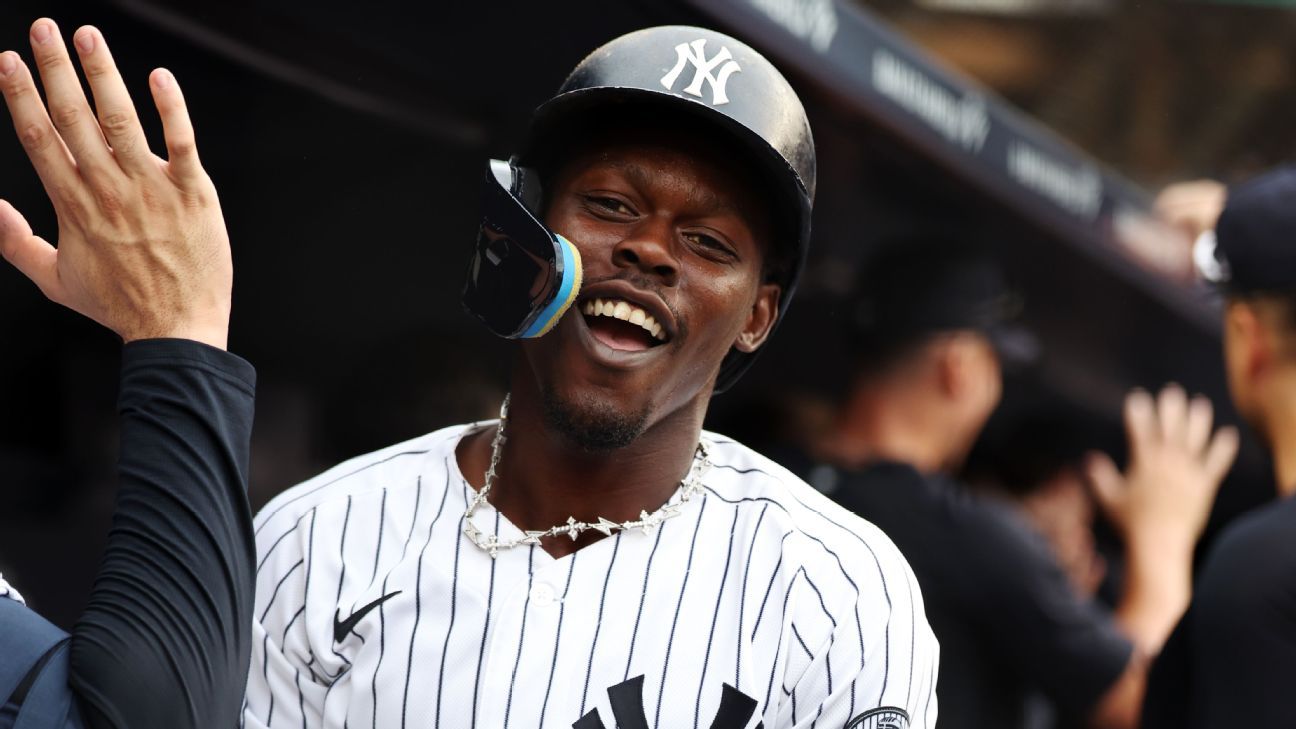
A radio broadcaster for the Boston Red Sox ignited controversy during a broadcast of Sunday's game against the New York Yankees by calling Yankees second baseman Jazz Chisholm Jr. a "bush league player" and suggesting that Boston pitchers intentionally hit one of Chisholm's teammates with a pitch. The remarks, delivered during a live play-by-play call of the rivalry matchup on August 30, 2026, sparked immediate debate across Major League Baseball regarding broadcast professionalism, player safety, and the culture surrounding baseball's unwritten rules.
Key facts
What happened
During the live radio coverage of Sunday's game between the Boston Red Sox and the New York Yankees, the play-by-play voice for the Boston radio network expressed sharp frustration with New York second baseman Jazz Chisholm Jr. Following an on-field sequence involving Chisholm, the commentator openly criticized the All-Star infielder's demeanor and play style, describing him on air as a "bush league player."
Rather than limiting the commentary to critique of the play, the announcer escalated his remarks by proposing on-air physical retaliation against the visiting team. He suggested that Boston's pitching staff should retaliate by intentionally hitting one of Chisholm's Yankees teammates with a pitch in a subsequent plate appearance. In baseball terminology, "drilling" a batter refers to intentionally hitting him with a high-velocity pitch, an act long tied to baseball's traditional unwritten rules but explicitly forbidden under official league regulations.
The live radio call immediately circulated among listeners and sports media observers, drawing sharp contrast to standard broadcasting guidelines enforced by major sports networks and team rights holders. Pitching inside and targeting hitters has historically been a flashpoint in the storied rivalry between New York and Boston, but direct calls from team rights-holder commentators for pitchers to hit opposing batters remain extremely rare in modern professional sports broadcasting.
Why it matters
The broadcaster's call for intentional retaliation touches upon several sensitive issues within modern professional baseball, ranging from player safety and health to league discipline and media accountability. Pitchers throwing 95-plus mile-per-hour fastballs at opposing hitters carry severe risks of serious injury, including concussions, bone fractures, and soft-tissue damage. As Major League Baseball has intensified efforts in recent seasons to eliminate head-hunting and intentional hit-by-pitch incidents through swift suspensions and fine structures, commentary advocating physical harm undermines league safety protocols and sportsmanship initiatives.
From a broadcasting standpoint, regional play-by-play announcers and analysts are employed or approved by team-affiliated media networks under strict standards of conduct. Call-to-action statements encouraging physical violence against players blur the line between team fandom and professional journalism, raising questions about accountability for regional rights holders like WEEI and NESN, as well as Major League Baseball’s broadcast guidelines.
Furthermore, the comments add fuel to one of the most intense and historic rivalries in North American professional sports. The Boston Red Sox and New York Yankees share a long history of bench-clearing brawls and intentional hit-by-pitch feuds dating back over a century. Statements originating from team media booths that encourage retaliatory pitches risk heightening tensions between the two dugouts during future regular season and postseason contests, potentially putting players, managers, and umpires on high alert for retroactively provoked altercations.
The background
The tension between the Boston Red Sox and New York Yankees represents one of the oldest and most documented rivalries in sports, dating back to the early 20th century. Over decades of competition in the American League East, clashes between the two franchises have frequently featured pitch-matching disputes, slide controversies, and physical altercations. Unwritten rules in baseball historically permitted pitchers to police on-field conduct by throwing at batters who were perceived to have celebrated excessively, broken decorum, or shown disrespect to opponents.
In modern Major League Baseball, however, league officials have systematically dismantled the acceptance of retaliatory pitching. MLB Rule 6.02(c)(9) explicitly dictates that a pitcher shall not intentionally throw at a batter. If an umpire suspects a pitch was thrown intentionally at a hitter, the umpire has the authority to issue immediate warnings to both benches or eject the pitcher and manager without prior warning. Suspensions issued by the MLB Commissioner's Office for intentional hit-by-pitch incidents are typically non-negotiable and accompanied by financial fines.
Jazz Chisholm Jr., who joined the New York Yankees in July 2024 via a high-profile trade from the Miami Marlins, has frequently been a central figure in discussions regarding modern baseball culture. Known for his expressive personality, colorful hair, customized equipment, and exuberant celebrations, Chisholm represents a younger generation of players who favor enthusiasm and self-expression over traditional stoicism. While his energetic approach has made him a fan favorite and marketable star, it has occasionally drawn criticism from traditionalists and rival commentators accustomed to classic baseball decorum.
Broadcasters advocating for physical retaliation have previously faced scrutiny and discipline in professional sports. Major League Baseball and regional sports networks maintain standards policies designed to prevent commentators from promoting violence or unsafe play. Previous instances of commentators crossing decorum lines have resulted in formal apologies, temporary suspensions, or termination, depending on the severity of the remarks and the network involved.
Reaction
Following the live broadcast, sports media commentators, journalists, and fans immediately began weighing in on the remarks. Critics emphasized that calling for a player to be hit with a fastball crosses an ethical line from subjective commentary into promoting physical injury. Observers noted that suggesting a teammate be hit in response to Chisholm's actions unfairly targets uninvolved players and violates basic standards of sports broadcasting ethics.
Neither Major League Baseball nor the Boston Red Sox issued an immediate official disciplinary sanction at the time of the initial report, though league officials routinely review broadcast conduct that directly addresses on-field safety issues. Representatives for the Yankees and Chisholm have not issued formal public statements, though player associations and team management traditionally defend athletes against calls for intentional harm.
In past instances where regional announcers made controversial comments regarding opposing players or promoted unsportsmanlike conduct, team radio flagships and television networks typically addressed the situation through internal review processes. Such reviews often result in publicly issued statements, on-air apologies prior to the subsequent broadcast, or internal administrative action regarding the announcer's future assignments.
What we don't know yet
Several key elements surrounding the incident remain unconfirmed in the immediate aftermath of the reporting. It remains unclear whether Major League Baseball or the Red Sox broadcast leadership will issue formal reprimands, suspensions, or fines against the announcer involved. The exact internal review protocol conducted by the radio station and the Red Sox organization has not been publicly detailed.
It is also uncertain how the comments will impact on-field dynamics between the Red Sox and Yankees in upcoming matchups. Whether umpires presiding over future games between the two clubs will issue pre-game warnings to both dugouts to preempt potential retaliation remains to be seen. Additionally, neither Chisholm nor Yankees manager Aaron Boone has publicly addressed whether the broadcast remarks will alter their approach or team commentary during remaining head-to-head series.
What to watch
In the coming days, observers should monitor official channels from the Boston Red Sox, the team's flagship radio broadcast partner, and Major League Baseball for formal statements or announcements regarding potential disciplinary action. The play-by-play announcer's pre-game commentary before the next scheduled Red Sox broadcast will offer the first indication of whether an on-air apology or clarification will be issued.
On the field, future games between Boston and New York will be scrutinized for potential retaliatory actions or heightened umpiring vigilance. Crew chiefs managing future series between the two AL East opponents may issue explicit warnings prior to the first pitch to ensure that pitch location controversies do not devolve into bench-clearing incidents. Furthermore, comments from players and managers in post-game media sessions will clarify how both clubhouses perceive the broadcast rhetoric moving forward.
This account is based on original reporting published by ESPN.
How this story was produced
This report was written by The Global Wire newsroom from reporting first published by ESPN. We verify the core facts against the original report, write our own account, and add the background and consequences a short wire item leaves out. Drafting is AI-assisted inside an editor-supervised pipeline, and every story is checked for accuracy of attribution, structure and duplication before it appears — full detail in our AI and funding disclosure.
Spotted an error? Tell us at corrections@horizonglobalnews.com and read our corrections policy or editorial standards.



Reader comments
Loading comments…