

Missouri Air Base Begins Construction on $75M Stealth Hangar for B-21 Raider
Whiteman Air Force Base has broken ground on a $74.9 million specialized radio frequency facility, launching a $700 million infrastructure effort to host the B-21 Raider stealth bomber.
By The Global Wire Newsroom · Reported from Aamir Khollam
Link preview · horizonglobalnews.com
Missouri Air Base Begins Construction on $75M Stealth Hangar for B-21 Raider
Whiteman Air Force Base has broken ground on a $74.9 million specialized radio frequency facility, launching a $700 million infrastructure effort to host the B-21 Raider stealth bomber.
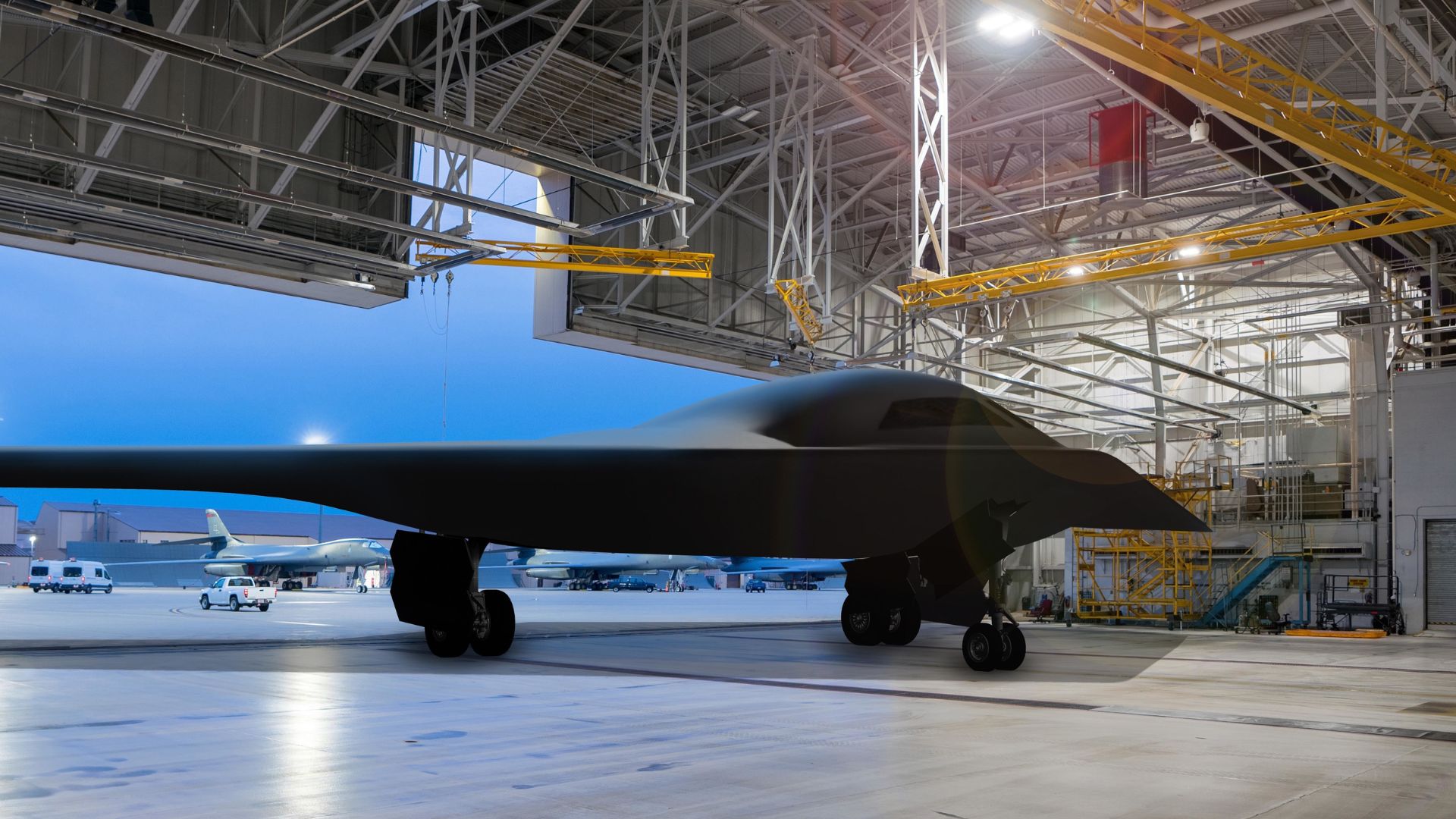
Construction has officially commenced on the first dedicated support facility for the B-21 Raider stealth bomber at Whiteman Air Force Base in Missouri, marking a structural milestone in the U.S. military's long-term program to modernize its strategic bomber fleet. The initial contract, valued at $74.9 million, finances the construction of a specialized radio frequency hangar designed specifically to evaluate and maintain the signature-management systems of the high-tech aircraft. This facility represents the first phase of an overarching $700 million capital investment plan slated for the Missouri base as it prepares to transition from its legacy role housing the B-2 Spirit to serving as a primary operational hub for the next-generation long-range strike platform.
Key facts
What happened
Groundwork is underway at Whiteman Air Force Base for the construction of a $74.9 million hangar designed to serve the incoming B-21 Raider, according to reporting by Aamir Khollam. The newly initiated facility is engineered around a radio frequency (RF) testing enclosure. These specialized hangars allow maintenance crews and defense engineers to evaluate how radar signals interact with an aircraft's skin, structures, and specialized low-observable coatings in a controlled environment without requiring the plane to launch on instrumented test flights.
The initial $74.9 million project is the first of several planned construction phases that will eventually total roughly $700 million in site upgrades at the base. Infrastructure work of this magnitude includes environmental control systems, heavy-duty concrete foundations capable of handling advanced support equipment, secure data networks, and specialized climate controls necessary to preserve sensitive radar-absorbing materials. The installation of dedicated RF testing spaces at Whiteman signifies that the Department of the Air Force is moving from initial prototyping and flight-testing phases toward establishing operational base infrastructure.
Why it matters
The establishment of specialized maintenance infrastructure at Whiteman Air Force Base is crucial for translating the technical capabilities of the B-21 Raider into active military readiness. Stealth aircraft require continuous, meticulous maintenance of their low-observable surfaces, sensors, and structural coatings to maintain low radar cross-sections. Specialized radio frequency hangars allow technicians to test and verify these stealth properties under shielded conditions, preventing external electronic interference while protecting sensitive radar diagnostics from unauthorized observation.
Financially, the overall $700 million facility investment represents a major injection of capital into the military infrastructure of central Missouri. Beyond construction labor, the project secures Whiteman's role as a premiere strategic bombing installation for several decades to come. On a strategic level, establishing B-21 maintenance hubs ensures that the U.S. Air Force can maintain high sortie-generation rates for its air leg of the nuclear triad. As adversary air defense systems become more sophisticated, the operational readiness of low-observable platforms depends directly on the speed and reliability of ground-based diagnostic infrastructure.
The background
Located near Knob Noster, Missouri, Whiteman Air Force Base has long held a central role in U.S. strategic air power. Since the late 1990s, Whiteman's 509th Bomb Wing has been the home of the B-2 Spirit, a flying-wing stealth bomber designed during the Cold War. However, with only 20 B-2 aircraft in active service and high operating costs associated with maintaining 1980s-era stealth technologies, the U.S. Department of Defense initiated the Long Range Strike Bomber (LRS-B) program, which resulted in the selection of Northrop Grumman to develop the B-21 Raider.
The Air Force formally unveiled the B-21 Raider in December 2022, and the aircraft performed its maiden flight in November 2023 from Palmdale, California. Air Force leadership announced that Ellsworth Air Force Base in South Dakota would serve as the main operating base and formal training unit for the initial B-21 fleet, with Whiteman Air Force Base in Missouri and Dyess Air Force Base in Texas designated to receive operational squadrons as production ramps up.
Transitioning an air base from legacy platforms to next-generation stealth aircraft involves extensive infrastructure overhauls. Standard hangars are inadequate for low-observable platforms due to strict requirements for humidity, temperature control, dynamic RF calibration, and high-security compartmentalization. The buildout at Whiteman mirrors similar military construction projects undertaken at Ellsworth, designed to support an intended total procurement of at least 100 B-21 Raider bombers across the service.
Reaction
While defense contractors and base engineering squadrons begin ground preparations, military planners view the start of hangar construction as a milestone for long-term force projection. Air Force Global Strike Command leadership has repeatedly emphasized that timely facility delivery is essential to keeping the overall B-21 operational schedule on track, ensuring that crew training and maintenance certifications coincide with aircraft deliveries.
Regional civic leaders and congressional delegations from Missouri have historically supported military construction allocations for Whiteman, noting that securing the B-21 mission guarantees long-term military presence and economic activity for Johnson County and surrounding communities. Additional responses are expected from local labor unions and civil engineering firms as subcontracts for concrete work, environmental systems, and specialized radio frequency shielding are awarded.
What we don't know yet
Several key elements of the Whiteman infrastructure project remain undisclosed. The precise timetable for completing the $74.9 million RF facility has not been detailed, nor has the exact sequencing of the remaining contracts that will make up the total $700 million base upgrade package. Furthermore, official schedules regarding when the first production B-21 Raiders will physically touch down at Whiteman remain classified or subject to production delivery variables.
It is also unclear how the construction timeline will interact with the phase-out schedule of the existing B-2 Spirit fleet housed at Whiteman. Maintaining operational readiness with the legacy B-2 while simultaneously building out facilities and retraining personnel for the B-21 presents potential logistical bottlenecks. Whether supply chain delays or material inflation will alter the projected $700 million cost cap for the full installation buildout remains an open question for military budget monitors.
What to watch
Key metrics to monitor include upcoming contract announcements from the Department of Defense's Defense Logistics Agency and U.S. Army Corps of Engineers regarding secondary building phases at Whiteman Air Force Base. Additional contracts covering low-observable maintenance facilities, weapons loading trainers, and squadron operations centers will indicate the pacing of the $700 million commitment.
Observers will also track flight-test milestones at Edwards Air Force Base in California, where initial B-21 test aircraft are undergoing flight evaluations. Deliveries of initial airframes to Ellsworth Air Force Base will serve as a structural template for how quickly Whiteman will receive its own assigned aircraft. Progress reports delivered to congressional armed services committees during upcoming defense budget cycles will provide further clarity on whether the project stays within its cost estimates and schedule deadlines.
Reporting for this story is based on news wire coverage provided by Aamir Khollam.
How this story was produced
This report was written by The Global Wire newsroom from reporting first published by Aamir Khollam. We verify the core facts against the original report, write our own account, and add the background and consequences a short wire item leaves out. Drafting is AI-assisted inside an editor-supervised pipeline, and every story is checked for accuracy of attribution, structure and duplication before it appears — full detail in our AI and funding disclosure.
Spotted an error? Tell us at corrections@horizonglobalnews.com and read our corrections policy or editorial standards.



Reader comments
Loading comments…