

Meghan Hayden Attends Minnesota Lynx Matchup Amid Ongoing WNBA Ownership Focus
Meghan Hayden was in attendance for Sunday's game between the Minnesota Lynx and Indiana Fever, highlighting the high-profile ownership presence of Alex Rodriguez and Marc Lore.
By The Global Wire Newsroom · Reported from Safeer M S
Link preview · horizonglobalnews.com
Meghan Hayden Attends Minnesota Lynx Matchup Amid Ongoing WNBA Ownership Focus
Meghan Hayden was in attendance for Sunday's game between the Minnesota Lynx and Indiana Fever, highlighting the high-profile ownership presence of Alex Rodriguez and Marc Lore.
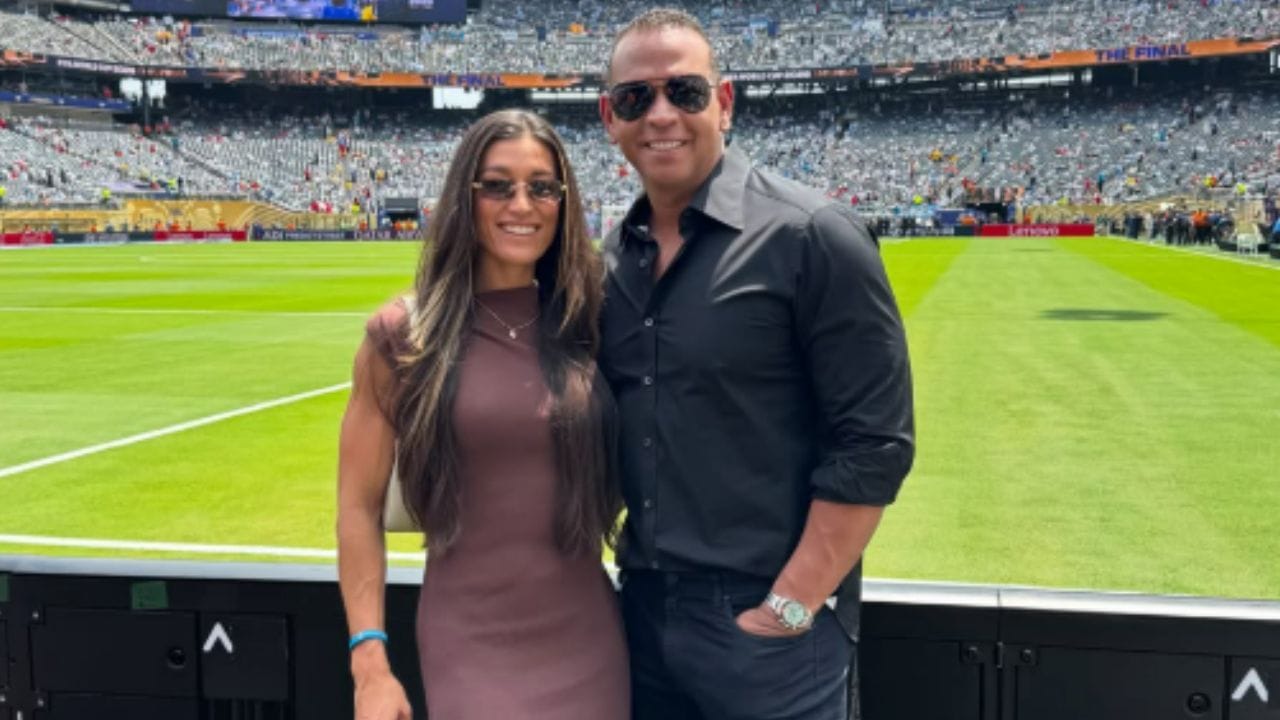
Meghan Hayden attended a Women's National Basketball Association game on Sunday featuring the Minnesota Lynx and the Indiana Fever, highlighting the prominent executive contingent associated with the Minneapolis-based franchise. Hayden, who is the girlfriend of former Major League Baseball star Alex Rodriguez, watched the contest as part of the team's courtside presence. Rodriguez serves as co-owner of the Minnesota Lynx alongside his primary business partner, Marc Lore. Their shared leadership of the franchise forms part of a broader trend of high-profile investors taking active roles in professional women's sports.
According to reporting by Safeer M S, Hayden's appearance at the game drew notice as the Lynx faced off against the Fever in a regular-season contest. The matchup brought together two franchises operating at the center of the league's expanding national audience, reflecting both the sports and entertainment interest currently surrounding the WNBA.
Courtside presence at Sunday's matchup
The game between the Minnesota Lynx and the Indiana Fever served as a backdrop for high-visibility guests, with Hayden seated courtside for the event, according to reporting by Safeer M S. The presence of guests linked to the franchise's ownership group underlines how executive leadership teams are increasingly integrated into the public marketing and event profile of WNBA games.
In recent seasons, attendance at WNBA games has seen marked growth, driven by heightened fan interest, competitive play, and strategic corporate investments. Matchups involving teams such as the Lynx and the Fever have drawn significant regional and national broadcast attention, transforming routine regular-season games into major cultural and sporting events that attract notable personalities from business, athletics, and entertainment.
Ownership structure of the Minnesota Lynx
Alex Rodriguez and Marc Lore initiated their acquisition process for the Minnesota Lynx and their NBA counterpart, the Minnesota Timberwolves, through a multi-stage buying agreement designed to transition control of the organizations. Rodriguez, a former professional baseball player turned corporate investor, and Lore, an entrepreneur and former e-commerce executive, aligned their investment strategies to build a modern sports and entertainment portfolio.
Their co-ownership of the Lynx places them among a new wave of sports team owners who emphasize digital media integration, fan engagement, and global brand development. By acquiring a stake in both an NBA and a WNBA team, the partners positioned themselves to capitalize on the rising valuation of women's sports properties while maintaining a unified operational structure in the Minneapolis market.
Under their governance, the Lynx organization has aimed to maintain its status as one of the WNBA's historically successful franchises while adapting to new commercial opportunities presented by the league's changing economic landscape.
Expanding commercial interest in the WNBA
The presence of high-profile figures at games involving the Minnesota Lynx and the Indiana Fever highlights the general commercial acceleration within women's professional basketball. Over recent years, the WNBA has experienced record-setting metrics across multiple operational areas, including ticket sales, television viewership, merchandise distribution, and digital engagement.
The Indiana Fever, in particular, have experienced elevated public interest following roster additions that generated intense media coverage and record crowd turnouts across road venues. When visiting opposing arenas, including Minnesota's home court, games featuring the Fever have consistently generated strong box-office returns and heightened local media interest.
This rise in commercial viability has justified the financial strategies of ownership groups like Rodriguez and Lore's. Investors who entered the league prior to its recent growth surge have seen franchise valuations increase substantially, supported by upcoming national media rights deals and expanded corporate sponsorship portfolios across the league.
The intersection of sports, investment, and media
The involvement of public figures such as Rodriguez, alongside associates like Hayden, reflects a continuing convergence between professional sports management and public branding. Modern sports franchises increasingly rely on courtside visibility and high-profile engagement to enhance brand equity and maintain audience interest across digital platforms.
For the WNBA, the active participation of well-known owners and their guests contributes to broader media distribution. News coverage extending beyond traditional sports reporting into lifestyle and business outlets allows franchises to reach demographic groups that may not follow daily game statistics but engage with the overall culture of the league.
This cross-industry exposure has become a central component of team marketing strategies. By fostering an environment where corporate leaders, cultural figures, and sports executives regularly attend live games, teams are able to position their home venues as major entertainment destinations within their metropolitan regions.
Strategic trajectory for the franchise
As the WNBA continues its broader institutional expansion, the Minnesota Lynx remain positioned as a key operational asset within the Rodriguez and Lore business portfolio. The ownership group faces ongoing decisions regarding venue infrastructure, training facility enhancements, and player development resources designed to keep the organization competitive at the highest level of the league.
At the same time, league leadership continues to evaluate potential expansion markets and updated revenue-sharing models that could alter the financial dynamics for all member teams. The commitment of established ownership groups will be critical in navigating future collective bargaining agreements, stadium facility standards, and international media expansion.
With attendance figures continuing to show positive trends and high-profile guests remaining a fixture at key games, the Lynx organization appears set to maintain its prominent position within both the local sports market and the national WNBA landscape.
This report contains information originally published in a report by Safeer M S.
How this story was produced
This report was written by The Global Wire newsroom from reporting first published by Safeer M S. We verify the core facts against the original report, write our own account, and add the background and consequences a short wire item leaves out. Drafting is AI-assisted inside an editor-supervised pipeline, and every story is checked for accuracy of attribution, structure and duplication before it appears — full detail in our AI and funding disclosure.
Spotted an error? Tell us at corrections@horizonglobalnews.com and read our corrections policy or editorial standards.


Reader comments
Loading comments…