

Lotte Chemical Revives Sale Plans for Malaysian Unit Amid Asian Petrochemical Restructuring
South Korea's Lotte Chemical is renewing efforts to sell its loss-making Malaysian subsidiary, Lotte Chemical Titan, alongside a partial divestment of its Indonesian assets amid regional oversupply.
By The Global Wire Newsroom · Reported from thestar.com.my
Link preview · horizonglobalnews.com
Lotte Chemical Revives Sale Plans for Malaysian Unit Amid Asian Petrochemical Restructuring
South Korea's Lotte Chemical is renewing efforts to sell its loss-making Malaysian subsidiary, Lotte Chemical Titan, alongside a partial divestment of its Indonesian assets amid regional oversupply.
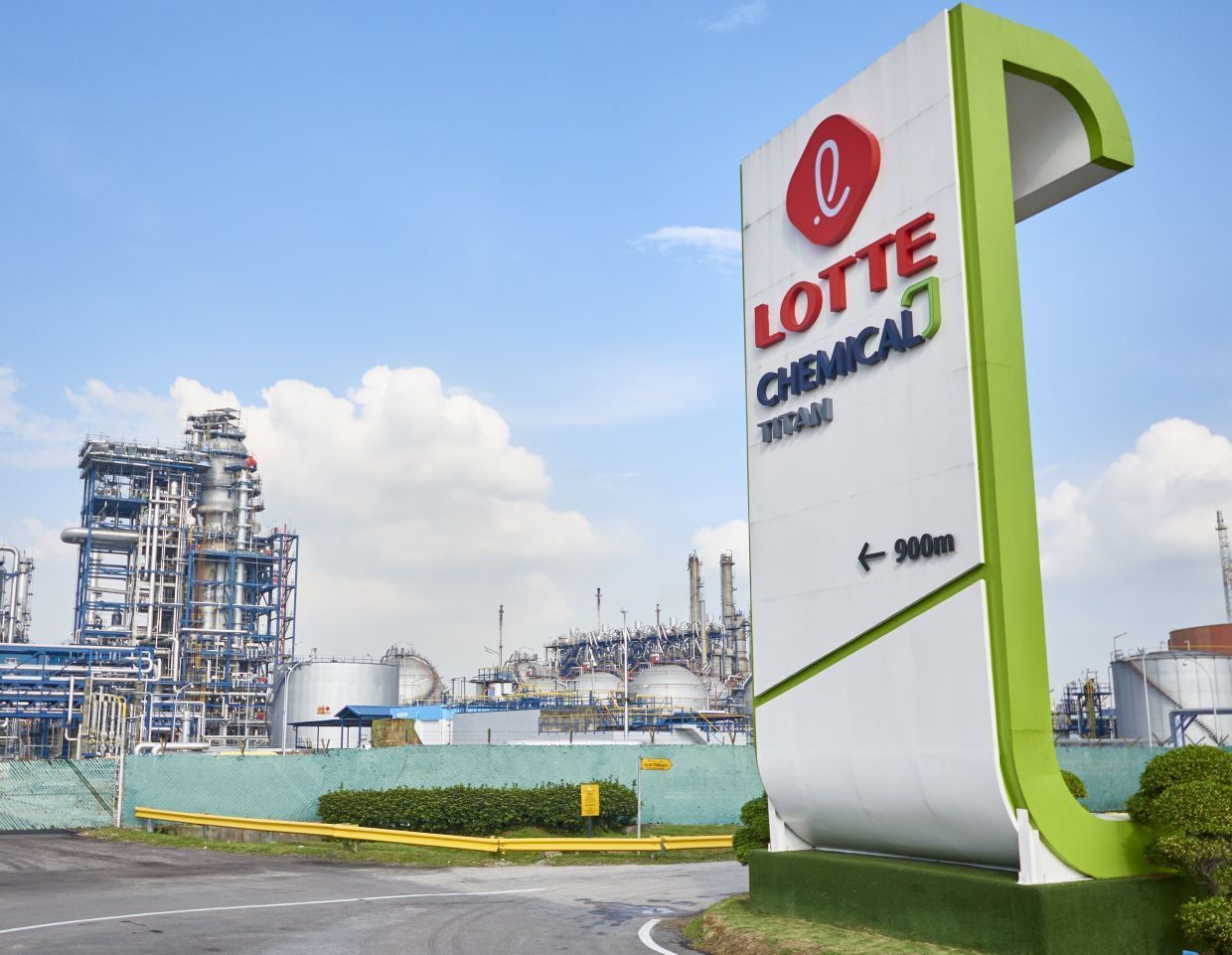
South Korean chemical manufacturer Lotte Chemical Corp has restarted efforts to divest its loss-making Malaysian unit, Lotte Chemical Titan Holding Bhd, while simultaneously exploring a partial sale of its industrial operations in Indonesia. The move, reported by Malaysian newspaper The Star on August 22, 2026, marks a renewed attempt by the Seoul-based parent company to streamline its overseas portfolio and shed unprofitable commodity chemical assets. The prospective sale comes as major Asian petrochemical producers grapple with severe margin compression caused by structural global oversupply, high feedstock costs, and sluggish industrial demand across key downstream consumer markets.
Key facts
What happened
According to reporting by The Star on August 22, 2026, market attention has returned to Lotte Chemical Titan Holding Bhd following indications that its parent company, South Korea-based Lotte Chemical Corp, has reactivated plans to exit its Malaysian subsidiary. The renewed divestment initiative follows earlier attempts by the Korean conglomerate to rationalise its overseas footprint, which had previously been paused or delayed due to valuation mismatches and volatile market conditions.
In addition to seeking a buyer for its Malaysian business, Lotte Chemical Corp is actively negotiating a partial divestment of its Indonesian manufacturing infrastructure. The dual-track transaction strategy highlights the parent group's determination to reduce its financial exposure to South-East Asian basic petrochemical production. Industry observers note that while news of the potential sale has revived market interest in Lotte Chemical Titan, securing a deal will depend heavily on prevailing market conditions, asset valuations, and the prospective buyer's ability to navigate an ongoing cyclical downturn in basic plastics and polymer manufacturing.
Why it matters
The potential sale of Lotte Chemical Titan carries significant structural implications for the South-East Asian petrochemical supply chain, regional capital markets, and parent company Lotte Chemical Corp's balance sheet. For Lotte Chemical Titan, a successful change in ownership could bring fresh strategic direction or operational integration with an upstream feedstock provider, potentially mitigating the persistent losses that have weighed on the company's financial performance. Conversely, a failure to execute the transaction would leave the entity reliant on ongoing corporate support while operating in a severely challenged price environment.
For the broader market, the transaction underscores the severity of the structural downturn currently confronting regional commodity chemical producers. Asian petrochemical margins have been severely squeezed by massive production capacity expansions in mainland China, alongside elevated naphtha costs derived from crude oil processing. Companies operating naphtha-fed crackers in non-integrated manufacturing hubs face cost disadvantages compared to North American peers utilizing cheap ethane gas feedstocks or Middle Eastern facilities with low extraction costs. Consequently, major Asian chemical conglomerates are under mounting pressure from institutional investors and credit rating agencies to divest underperforming legacy units, consolidate regional assets, and redirect capital toward higher-margin specialty chemicals, advanced electronic materials, and sustainable polymer technologies.
The background
Lotte Chemical Titan Holding Bhd is one of South-East Asia's largest producers of olefins and polyolefins, operating extensive manufacturing plants in Pasir Gudang and Kuantan, Malaysia. The company produces essential industrial polymers, including polyethylene and polypropylene, which serve as foundational materials for packaging, automotive components, consumer electronics, and construction supplies. Originally established as Titan Chemicals Corp, the business was acquired by South Korea's Lotte Chemical Corp in 2010 to serve as the group's primary manufacturing hub in South-East Asia, before being listed on the Main Market of Bursa Malaysia in 2017.
In Indonesia, Lotte Chemical has undertaken significant capital projects, including the construction of a large-scale petrochemical complex in Cilegon, Banten province. The project, designed to include a naphtha cracker and downstream polymer production facilities, was intended to capture rapidly growing domestic demand for plastics in South-East Asia's largest economy. However, the heavy capital requirements of building new greenfield production capacity, combined with rising debt service costs and depressed global product spreads, have strained the parent company's consolidated balance sheet.
The Asian petrochemical sector has historically operated on multi-year cyclical patterns. However, the current downturn is widely viewed by industry analysts as structural rather than purely cyclical. Over the past decade, unprecedented investments in China have turned the country from the world's primary importer of polymers into a self-sufficient producer with growing export capabilities. This expansion, combined with weak macroeconomic growth and shifting global trade dynamics, has led to widespread overcapacity. As a result, commodity chemical producers across South Korea, Japan, and South-East Asia have been forced to re-evaluate their long-term operational viability, leading to factory run-rate reductions, asset write-downs, and corporate restructuring initiatives across the region.
Reaction
The reporting by The Star regarding Lotte Chemical's renewed divestment plans has generated cautious interest among stock market analysts and industrial investors in Malaysia and across South-East Asia. Equity analysts covering Bursa Malaysia noted that while a potential takeover or strategic buy-in could lift sentiment surrounding Lotte Chemical Titan's stock, prospective acquirers will likely demand substantial valuation discounts given the sustained operational losses recorded by the business.
Neither Lotte Chemical Corp nor Lotte Chemical Titan Holding Bhd issued detailed public responses immediately confirming financial terms or naming specific bidding parties following the initial report. Institutional investors and industry analysts expect corporate management to address the divestment reports during upcoming quarterly earnings calls or through official regulatory filings with Bursa Malaysia and the Korea Exchange. Regulatory authorities in Malaysia and South Korea will also be expected to evaluate any eventual transaction structure, particularly regarding shareholding limits, foreign ownership rules, and public disclosure requirements.
What we don't know yet
Several critical elements of the proposed divestments remain unconfirmed in available reports. The precise valuation being sought by Lotte Chemical Corp for its equity stake in Lotte Chemical Titan has not been publicly disclosed, nor has the identity of prospective strategic or financial suitors competing for the Malaysian assets. It is also unclear whether the parent company intends to sell its entire controlling stake or retain a minority equity interest.
Regarding the Indonesian operations, the exact percentage of the stake targeted for divestment and the timeline for completing the transaction remain unspecified. Furthermore, the operational impact of a potential ownership change on Lotte Chemical Titan's existing workforce, manufacturing output, and long-term capital expenditure projects—such as ongoing maintenance and plant integration plans—remains unknown. The resolution of these details will determine whether the proposed sale progresses to binding agreements or faces structural delays similar to previous divestment attempts.
What to watch
Key milestones to monitor include formal regulatory announcements filed by Lotte Chemical Titan Holding Bhd on Bursa Malaysia and Lotte Chemical Corp on the Korea Exchange regarding non-binding memoranda of understanding or definitive sale and purchase agreements. Investors will closely observe quarterly financial disclosures from both entities for updates on asset impairment charges, operational loss margins, and debt leverage ratios.
Beyond corporate disclosures, broader market metrics will play a decisive role in determining the feasibility of any transaction. Market watchers should track regional crack spreads—the margin between raw naphtha costs and finished polymer prices like polyethylene and polypropylene—as well as Chinese industrial capacity utilization rates. Any sustained recovery in polymer demand or stabilization in global energy feedstock prices could improve asset valuations and accelerate negotiations, whereas prolonged weakness may complicate transaction terms or force further operational downsizing.
This report is based on original news reporting published by The Star on August 22, 2026.
How this story was produced
This report was written by The Global Wire newsroom from reporting first published by thestar.com.my. We verify the core facts against the original report, write our own account, and add the background and consequences a short wire item leaves out. Drafting is AI-assisted inside an editor-supervised pipeline, and every story is checked for accuracy of attribution, structure and duplication before it appears — full detail in our AI and funding disclosure.
Spotted an error? Tell us at corrections@horizonglobalnews.com and read our corrections policy or editorial standards.




Reader comments
Loading comments…