

Jockey Fortune Backs Cork Bay Ahead of Final Race Meeting Feature
A top jockey identified as Fortune has singled out Cork Bay as a key contender in the final race of the day, according to reporting by The Straits Times.
By The Global Wire Newsroom · Reported from straitstimes.com
Link preview · horizonglobalnews.com
Jockey Fortune Backs Cork Bay Ahead of Final Race Meeting Feature
A top jockey identified as Fortune has singled out Cork Bay as a key contender in the final race of the day, according to reporting by The Straits Times.
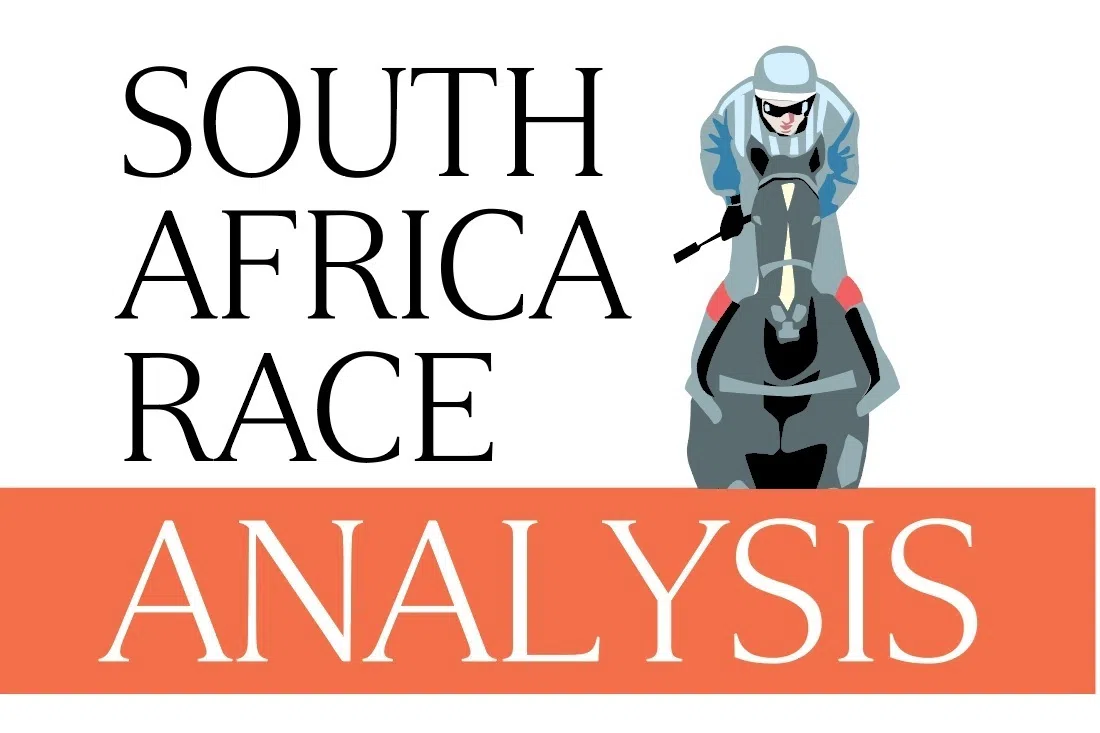
A top jockey identified as Fortune has expressed strong confidence in the prospect Cork Bay ahead of the final event on the day's racing card, according to reporting by The Straits Times. The assessment positions Cork Bay as a primary contender in the closing race, highlighting the alignment between experienced riding talent and competitive equine form during the final contest of the fixture.
Final Race Selections
In professional horse racing, the final race on a fixture's schedule—frequently referred to within the industry as "the last"—presents distinct tactical and wagering considerations for trainers, jockeys, and spectators alike. According to reporting by The Straits Times, jockey Fortune's backing of Cork Bay reflects a crucial juncture in race-day preparations where jockey allocations and form analysis converge before the final field enters the starting stalls. Jockey selections often serve as a key indicator of a horse's training progress and readiness, as leading riders typically seek mounts that demonstrate strong potential based on recent track gallops, distance suitability, and handicapping placement. When a seasoned jockey aligns with a specific entry in the concluding race, it frequently influences market expectations and shapes tactical discussions regarding how the pace of the contest will develop.
Handicapping and Race Card Analysis
Evaluating entries across a race meeting requires systematic scrutiny of recent performance metrics, track surfaces, weight distribution, and distance parameters. In thoroughbred racing, handicappers assign designated weight allocations to entries to balance competitive opportunities across the field, making the relationship between jockey weight management and equine capability a central factor in pre-race evaluation. According to reporting by The Straits Times, the prospective pairing of jockey Fortune and Cork Bay in the final event comes amidst standard pre-race assessments where track conditions, draw positions, and past performances over specific distances are weighed by racegoers and analysts. Final races often feature competitive fields of mixed experienced performers and emerging prospects, requiring riders to exercise precise judgment regarding timing, energy conservation, and response to mid-race acceleration.
Tactical Dynamics in Closing Contests
The closing race of a meeting carries unique environmental and physical factors that can influence equine performance. As track surfaces undergo wear throughout a day of consecutive races, changing ground conditions can alter how horses interact with the turf or dirt course. Experienced jockeys like Fortune must evaluate whether the track favors front-runners or coming-from-behind closers as the afternoon or evening progresses. The strategic choice to position a horse like Cork Bay within the main pack or near the lead depends on the projected early pace set by rival entries. Furthermore, late-session visibility, changing wind conditions, and shifting temperature profiles can affect horse behavior in the saddling enclosure and at the gate. Managing these variables forms an integral component of a jockey's preparation leading up to the final start of the day.
Jockey Experience and Mount Selection
The relationship between a professional jockey and a racehorse is built upon tactical awareness, physical coordination, and real-time communication during the heat of competition. Veteran jockeys bring years of experience navigating crowded fields, anticipating moves from rival competitors, and adjusting tactics based on how individual horses respond to pressure. When a prominent rider such as Fortune selects or takes the ride on an entry like Cork Bay, it often reflects a strategic decision made in consultation with trainers and owners who evaluate equine fitness during morning trackwork. A jockey's familiarity with a track layout—including bends, straightaways, and gradient shifts—allows them to make split-second decisions that can determine the outcome of a close finish in the final furlongs.
The Role of Racing Journalism
Sports media outlets maintain dedicated coverage of equestrian events to inform the public, industry stakeholders, and wagering markets about rider engagements and equine form. According to reporting by The Straits Times, regular race previews provide crucial transparency by detailing jockey rides, trainer declarations, and late equipment changes ahead of scheduled events. Publications covering thoroughbred sports follow established journalistic conventions, recording official weights, barrier draws, track classifications, and jockey updates to ensure readers receive reliable information prior to post time. Independent sports journalism plays a vital role in maintaining public engagement with horse racing, delivering objective analysis of race cards, highlighting top human and equine athletes, and documenting the outcomes of major race days.
Operational Standards and Equine Governance
Behind every race meeting lies a comprehensive regulatory framework overseen by official racing stewards, veterinary officers, and track administrators. Prior to the commencement of any race, including the final contest featuring Cork Bay, thoroughbreds undergo compulsory veterinary examinations to ensure sound health and physical fitness to compete. Stewards monitor all aspects of the event, from the loading of horses into the starting stalls to the conduct of jockeys during the running of the race and the official weigh-in following the finish line. Rules regarding whip use, track line adherence, and interference are strictly enforced to protect equine welfare and preserve the integrity of competition. Once the final race concludes and official stewards declare the result, final placings and payouts are confirmed for all participants.
This report is based on original news coverage published by The Straits Times.
How this story was produced
This report was written by The Global Wire newsroom from reporting first published by straitstimes.com. We verify the core facts against the original report, write our own account, and add the background and consequences a short wire item leaves out. Drafting is AI-assisted inside an editor-supervised pipeline, and every story is checked for accuracy of attribution, structure and duplication before it appears — full detail in our AI and funding disclosure.
Spotted an error? Tell us at corrections@horizonglobalnews.com and read our corrections policy or editorial standards.



Reader comments
Loading comments…