

Ishan Kishan Resumes Reserve Bank of India Duties Following Zimbabwe T20I Series
Indian cricketer Ishan Kishan has returned to his post as an Assistant Manager at the Reserve Bank of India after finishing national team duties against Zimbabwe.
By The Global Wire Newsroom · Reported from Rishab Vm
Link preview · horizonglobalnews.com
Ishan Kishan Resumes Reserve Bank of India Duties Following Zimbabwe T20I Series
Indian cricketer Ishan Kishan has returned to his post as an Assistant Manager at the Reserve Bank of India after finishing national team duties against Zimbabwe.
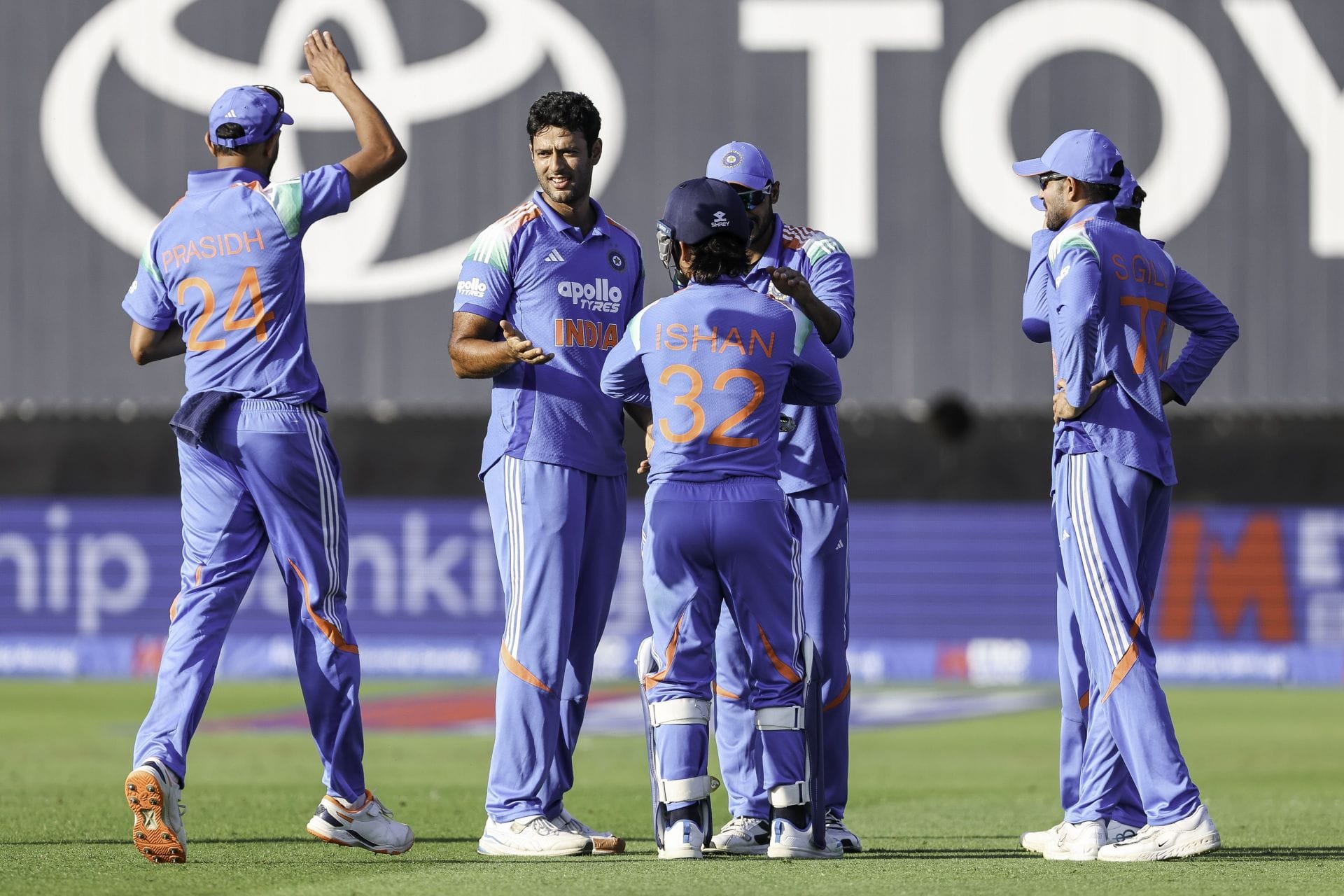
Indian international cricketer Ishan Kishan has returned to his administrative position as an Assistant Manager at the Reserve Bank of India (RBI), stepping back into institutional public service following the conclusion of India’s Twenty20 International (T20I) series against Zimbabwe. The move highlights the ongoing tradition within Indian athletics where elite national sports figures maintain formal corporate and civil appointments alongside their active professional sporting careers.
Return to Institutional Office
According to reporting by Rishab Vm, Kishan reported back to the RBI office to resume his official duties as an Assistant Manager shortly after wrapping up his national cricket commitments in the T20I series. Images from the central bank’s office premises confirmed the cricketer’s presence at his workplace, marking his transition from international squad duty back to his corporate employment responsibilities.
Kishan’s dual status as an international athlete and a designated central bank officer is part of a structured framework established by Indian financial and state-run institutions. Under these institutional arrangements, high-performing athletes are recruited into formal corporate and administrative ranks while being granted specialized leaves of absence to fulfill national team duties, domestic sports commitments, and international tours.
Transition from National Duty
The return to office work followed the conclusion of India's short-format tour against Zimbabwe in 2026. For international cricketers, national team assignments demand intensive training schedules, extensive travel, and sustained high-performance play. When international series conclude and brief calendar windows open prior to subsequent domestic or international commitments, athletes who hold public sector appointments routinely report back to their primary institutional employers.
In Kishan's case, his role as an Assistant Manager at the RBI entails formal organizational affiliation and administrative duties within the country's central banking framework. While top-tier cricketers spend the majority of their annual calendars engaged in national team training camps, bilateral tours, franchise commitments in the Indian Premier League, and domestic first-class competitions, their formal employment ties with state institutions remain active throughout their playing careers.
The Public Sector Sports Quota Tradition
The integration of elite sports personalities into public sector undertakings, government departments, and nationalized financial institutions is a long-standing feature of India’s sports administration system. Established decades ago, recruitment under official sports quotas was designed to provide long-term financial security, professional development, and career options for athletes representing the nation across various sporting disciplines.
Major public sector bodies—including the Indian Railways, public sector petroleum corporations, nationalized commercial banks, and the Reserve Bank of India—have historically offered officer-level appointments to national cricketers, track and field competitors, hockey players, and other elite performers. Historically, numerous high-profile Indian cricketers held administrative and departmental posts while simultaneously representing the nation on the international stage.
For public sector institutions, employing recognized national athletes enhances institutional visibility, fosters internal sports programs, and fulfills corporate social objectives aligned with national athletic development. For the athletes, these positions offer essential employment stability, standardized benefits, and a clear career path that extends beyond their active playing days.
Balancing International Cricket and Corporate Roles
In the modern era of highly professionalized and year-round international cricket schedules, the relationship between institutional employment and active sports careers has evolved. With the expansion of domestic franchise leagues and dense bilateral tour calendars, contemporary cricketers spend less time physically present in office settings compared to previous generations of athlete-employees.
Despite these physical absence periods during peak match schedules, administrative compliance and workplace reporting remain mandatory obligations for players employed under central government and public banking quota schemes. Whenever international and domestic schedules allow, athlete-employees attend institutional functions, participate in inter-bank or departmental sports competitions, and fulfill organizational tasks associated with their employment grade.
Kishan's return to the RBI office illustrates how modern professional players continue to honor these corporate commitments. The dual responsibility reflects both personal accountability to public employers and the continued role of institutional support structures within Indian professional cricket.
Institutional Dynamics and Workplace Impact
Within public institutions like the Reserve Bank of India, the periodic return of active international sports figures creates a unique professional environment. Corporate staff and civil servants work alongside national sports figures, connecting standard public sector administration with high-profile international athletics.
In addition to administrative coverage, the Reserve Bank of India maintains an active presence in domestic corporate sports. The institution fields official teams in historical regional and national tournaments, including inter-bank sports competitions across the country. Athletes recruited through institutional recruitment channels assist in maintaining these sports programs, representing their employer in corporate leagues when free from national squad engagements.
Long-Term Outlook for Athlete Employment
As the economic landscape of global cricket continues to expand through private commercial ventures and franchise contracts, state-backed employment schemes continue to serve as an important institutional baseline in Indian sports. While elite player earnings are increasingly driven by central professional contracts and franchise arrangements, public sector posts remain prestigious positions within the broader national sports ecosystem.
For players like Kishan, maintaining an active workplace presence during breaks between international series reinforces the connection between top-tier athletic talent and public institutions. As international schedules pause between major bilateral fixtures, periodic returns to civil and corporate duties remain a distinctive element of the Indian sporting landscape.
Reporting for this story was originally published by Rishab Vm.
How this story was produced
This report was written by The Global Wire newsroom from reporting first published by Rishab Vm. We verify the core facts against the original report, write our own account, and add the background and consequences a short wire item leaves out. Drafting is AI-assisted inside an editor-supervised pipeline, and every story is checked for accuracy of attribution, structure and duplication before it appears — full detail in our AI and funding disclosure.
Spotted an error? Tell us at corrections@horizonglobalnews.com and read our corrections policy or editorial standards.




Reader comments
Loading comments…