

Iron Gate Studio Releases Valheim Version 1.0, Introducing the Deep North Biome
Swedish developer Iron Gate Studio has officially launched the version 1.0 update for Valheim, bringing an end to a six-year development cycle with the addition of the Deep North biome.
By The Global Wire Newsroom · Reported from Manish Kumar Choudhary
Link preview · horizonglobalnews.com
Iron Gate Studio Releases Valheim Version 1.0, Introducing the Deep North Biome
Swedish developer Iron Gate Studio has officially launched the version 1.0 update for Valheim, bringing an end to a six-year development cycle with the addition of the Deep North biome.
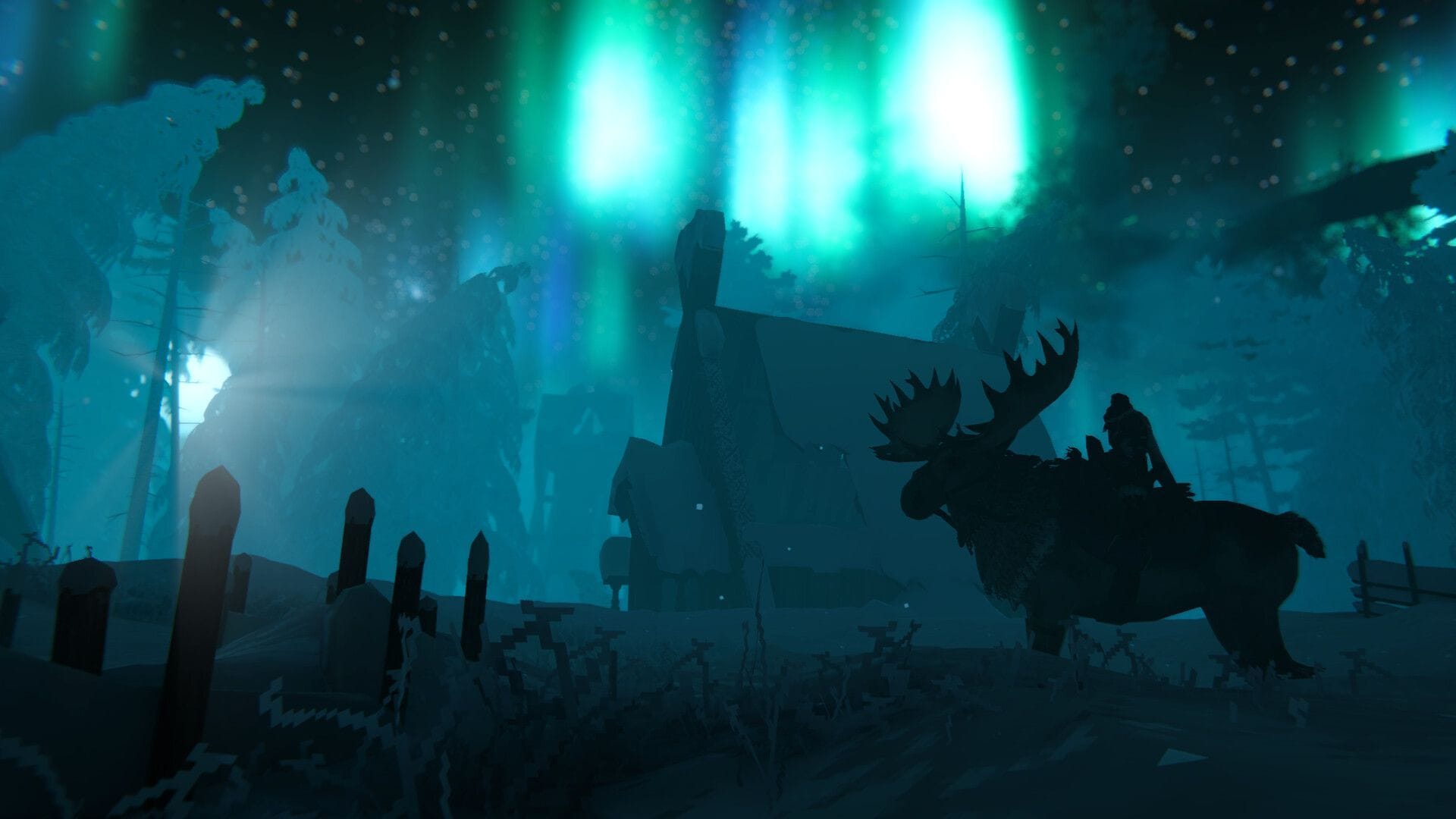
On September 9, 2026, Swedish video game developer Iron Gate Studio officially released the version 1.0 update for its Viking survival title Valheim, completing a six-year development process and formally leaving Early Access, according to reporting by Manish Kumar Choudhary. The full commercial milestone introduces the game's final planned territory, the Deep North biome, along with new weapons, hostile creatures, and extensive system balance changes. The update marks the completion of the core progression loop for one of the independent gaming sector's most notable commercial successes, transitioning the title into a finalized state across PC and console ecosystems.
Key facts
What happened
Swedish development team Iron Gate Studio released version 1.0 of its open-world sandbox survival title Valheim on September 9, 2026, according to details reported by Manish Kumar Choudhary. The update concludes a six-year development timeline during which the game evolved from a small independent prototype into a major multi-million-copy release.
The primary addition featured in the 1.0 release is the Deep North biome, which forms the northernmost boundary of the game's procedurally generated world maps. Before this update, the arctic zone existed as an unfinished placeholder environment containing basic snow terrain but lacking functional resources, unique enemies, or narrative progression. The completed Deep North provides a fully realized glacial landscape featuring specialized environmental hazards, high-tier crafting materials, and powerful enemy factions intended to challenge advanced player characters.
In addition to the new region, reporting by Manish Kumar Choudhary indicates that the 1.0 release includes new weapons, fresh enemy encounters, and sweeping gameplay changes. These balance adjustments affect player progression pathways established in earlier biomes, reconfiguring stamina management, armor statistics, and resource gathering rates. The patch also contains structural performance optimizations aimed at enhancing stability on cooperative multiplayer servers supporting up to ten concurrent players.
Why it matters
The formal transition of Valheim to version 1.0 carries notable significance for both the video game industry and the open-world survival crafting genre. The Early Access distribution model, popularized on Valve Corporation's Steam platform over the past decade, has frequently drawn scrutiny from consumers and industry analysts due to the high percentage of projects that remain indefinitely incomplete or undergo abandoned development cycles. By completing its announced roadmap across a six-year lifecycle, Iron Gate Studio offers a high-profile demonstration of sustained, independent game development managed through early community funding.
For players and the broader consumer market, a 1.0 release establishes a permanent, feature-complete foundation. Millions of users who purchased the title during its initial release phase can now experience a comprehensive narrative and mechanical structure. Players can move sequentially through every environmental tier—from the entry-level Meadows through the extreme hazards of the Deep North—without encountering unfinished geography or missing progression triggers.
From an economic perspective for developer Iron Gate Studio and publisher Coffee Stain Publishing, reaching version 1.0 shifts operational priorities from foundational feature design to ongoing post-launch maintenance, balance patches, and potential expansion content. In an online gaming market driven by continuous user engagement, a 1.0 milestone provides a major marketing anchor capable of revitalizing player counts and attracting cautious buyers who avoid purchasing pre-release software.
The background
Iron Gate Studio was founded in Skövde, Sweden, by game developers Richard Svensson and Henrik Törnqvist, who began work on Valheim around 2018. Built using the Unity engine, the game stood out by pairing low-resolution, retro-style textures with modern lighting effects, atmospheric weather systems, and realistic physical interactions. Set in a fictional tenth Norse realm, the game casts players as fallen warriors assigned to eliminate powerful mythical beasts to earn passage to Valhalla.
When Valheim launched into Steam Early Access on February 2, 2021, it achieved immediate, widespread popularity. The title sold over five million copies within its first month on sale and eventually surpassed 12 million copies worldwide, expanding to Xbox Series X/S platforms and the Xbox Game Pass subscription service in 2023. The rapid influx of revenue and active players prompted Iron Gate Studio to expand its development team while preserving a measured pace of production.
The core design of Valheim relies on a strict biome-based progression system. Players harvest materials unique to a specific region, build base structures, craft improved armor and weaponry, and locate a regional boss fight. Defeating the boss yields specific items necessary to withstand the environmental challenges of the next region. At Early Access launch, the game featured five completed biomes: Meadows, Black Forest, Swamps, Mountains, and Plains. Iron Gate Studio subsequently delivered major expansions that introduced the Mistlands in December 2022 and the volcanic Ashlands in May 2024.
The Deep North was designed as the final major piece needed to complete the outer edge of the world map. Throughout the project's history, Iron Gate Studio maintained a slow, deliberate development cycle focused on polished mechanics rather than frequent, incremental feature drops. This strategy occasionally led to extended waiting periods between updates but ultimately allowed the independent team to complete the full scope of its original vision.
Reaction
Following the release of version 1.0, player discussions across digital communities including Steam, Reddit, and dedicated gaming forums focused on evaluating the new content, according to standard industry observation. While comprehensive review aggregations and long-term player feedback are still forming, the gaming community had long anticipated how Iron Gate Studio would construct the final chapter of its survival campaign.
Community interest centers primarily on two aspects of the update: the mechanical difficulty and environmental design of the Deep North, and the widespread balance changes applied to legacy gear and existing regions. Player groups routinely test updated crafting recipes and weapon stats to determine how late-game changes impact established base-building strategies and character builds. Further official statements from Iron Gate Studio and Coffee Stain Publishing regarding future updates, console parity, and potential long-term expansions are expected in upcoming developer posts.
What we don't know yet
Despite the details provided in the initial patch highlights reported by Manish Kumar Choudhary, several operational details remain unconfirmed. Specific numerical breakdowns of weapon damage values, craftable gear recipes, and individual enemy spawn mechanics have not been fully cataloged in summary reports, requiring players to analyze raw game files and testing data.
Additionally, it remains unclear whether Iron Gate Studio intends to focus on post-launch downloadable content, secondary spin-off modes, or shift creative focus toward a brand-new project following the 1.0 milestone. Furthermore, exact rollout schedules and technical performance comparisons for console ports—particularly on Xbox hardware—require detailed clarification from the publisher. Resolving these questions will determine how effectively the game maintains its multi-platform player base over the coming months.
What to watch
In the days and weeks following the 1.0 launch, several key indicators will determine the long-term impact of Valheim's full release:
This report is based on original reporting published by Manish Kumar Choudhary.
How this story was produced
This report was written by The Global Wire newsroom from reporting first published by Manish Kumar Choudhary. We verify the core facts against the original report, write our own account, and add the background and consequences a short wire item leaves out. Drafting is AI-assisted inside an editor-supervised pipeline, and every story is checked for accuracy of attribution, structure and duplication before it appears — full detail in our AI and funding disclosure.
Spotted an error? Tell us at corrections@horizonglobalnews.com and read our corrections policy or editorial standards.






Reader comments
Loading comments…