

Filip Hrgovic Wins IBF Heavyweight Belt as Moses Itauma's Corner Stops Fight
Filip Hrgovic claimed the IBF world heavyweight championship after Moses Itauma suffered extreme fatigue and his corner threw in the towel during the ninth round.
By The Global Wire Newsroom · Reported from theage.com.au
Link preview · horizonglobalnews.com
Filip Hrgovic Wins IBF Heavyweight Belt as Moses Itauma's Corner Stops Fight
Filip Hrgovic claimed the IBF world heavyweight championship after Moses Itauma suffered extreme fatigue and his corner threw in the towel during the ninth round.
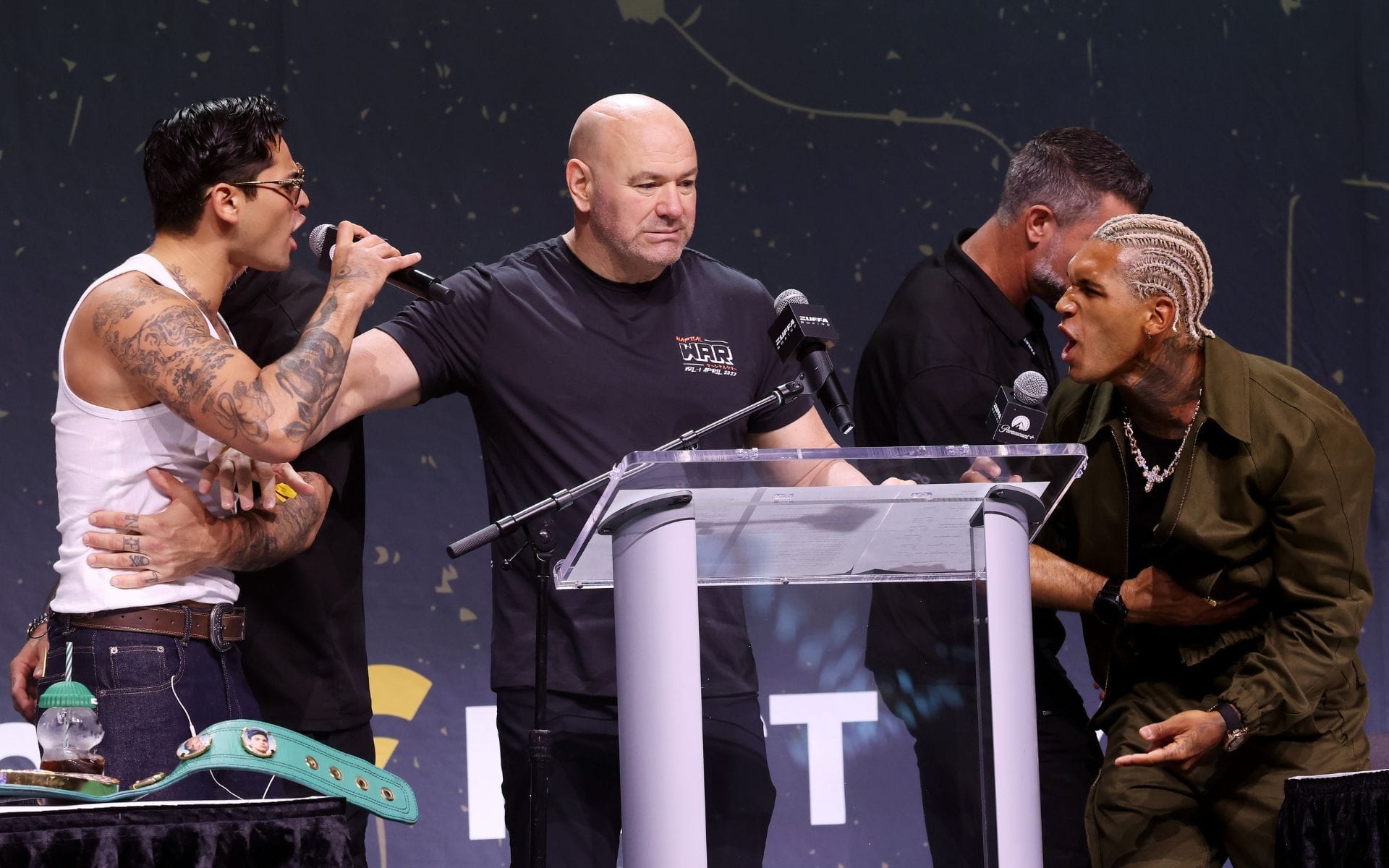
British heavyweight prospect Moses Itauma suffered his first professional defeat after his corner halted his International Boxing Federation (IBF) world heavyweight championship contest against Croatian contender Filip Hrgovic in the ninth round on August 30, 2026, according to reporting by The Age. Itauma, who experienced severe physical fatigue as the world title bout progressed into the late rounds, saw his corner throw in the towel to protect him from taking additional punishment after Hrgovic established dominance in the contest. The stoppage concluded Itauma's undefeated streak and awarded Hrgovic the IBF heavyweight title belt.
Key facts
What happened
According to reporting by The Age, the championship bout concluded in the ninth round when Itauma's corner determined that the young heavyweight was too physically spent to safely continue defending himself against Hrgovic.
In the initial stages of the fight, Itauma sought to utilize his superior hand speed and explosive fast-twitch combinations to establish early control over the contest. Operating from his characteristic stance, Itauma attempted to keep the experienced Croatian at bay with rapid jabs and sharp counters, seeking to land clean power shots. Hrgovic, however, adopted a disciplined high guard, relying on steady forward momentum, jab work, and veteran composure to absorb early energy from the challenger while conserving his own stamina reserves.
As the match advanced past the middle rounds, the physical demands of the championship fight began to visibly affect Itauma. Hrgovic increased his offensive pressure, working the body during clinches and forcing Itauma to fight while moving backward. Itauma had never previously been forced to navigate deep rounds in his professional career, and the unrelenting pace dictated by Hrgovic forced him to consume substantial cardiovascular energy.
By the seventh and eighth rounds, Itauma's punch volume fell noticeably. His movements became heavy, and he struggled to keep his defense elevated or reset his positioning in the ring. Sensing that the challenger was severely gassed, Hrgovic accelerated his attack in the ninth round, backing Itauma against the ring ropes and landing sustained power punches. With Itauma unable to mount an effective defense or throw meaningful counterpunches, his corner recognized the mounting physical danger and threw a towel into the canvas ring. The referee promptly stopped the action, declaring Hrgovic the winner by technical knockout via corner surrender.
Why it matters
The result of the championship bout fundamentally alters the landscape of the heavyweight division and provides a stark lesson in the tactical management of elite fighting talent. For Hrgovic, capturing the IBF heavyweight crown validates years spent in contender status and positions him at the centerpiece of future high-stakes title unifications and major pay-per-view events. Holding a recognized world sanctioning body belt gives Hrgovic primary negotiating leverage against other titleholders and top-tier heavyweights.
For Itauma, the loss highlights the immense physical leap required when stepping up from short, early-career knockouts to prolonged 12-round championship battles. Prior to this bout, Itauma had swept through opposition with swift, explosive stoppages, leaving his deep-water stamina and energy distribution untested under championship conditions. Experiencing extreme fatigue and a corner stoppage provides his development team with critical, albeit harsh, data regarding the cardiovascular demands of elite heavyweight competition.
From a commercial standpoint, the defeat recalibrates promotional expectations surrounding Itauma, who had been widely heralded as one of the sport's fast-tracked heavyweight prospects aiming for record-breaking world title achievements. The loss forces a pause in his rapid ascent, requiring a structured rebuilding phase focused on conditioning, pacing, and defensive endurance before he can re-enter world title contention.
The background
To understand the context of the August 30 championship contest, it is helpful to review the trajectories of both heavyweights and the institutional framework governing world title boxing. Itauma emerged as one of the most celebrated young prospects in world boxing after a decorated amateur career that included European and world youth championship titles. Upon entering the professional ranks, he compiled a series of early knockout victories, drawing praise for his combination of fast hand speed, southpaw angles, and single-punch power. However, because his early professional bouts ended quickly, he rarely faced opponents capable of taking him into the later rounds of scheduled contests.
Filip Hrgovic, by contrast, entered the fight with a deep foundation in international boxing competition. An Olympic bronze medalist for Croatia at the 2016 Games in Rio de Janeiro, Hrgovic acquired substantial experience competing in five-round World Series of Boxing (WSB) matches prior to launching his professional career. In the professional ranks, Hrgovic built a reputation as a durable, physically imposing contender who spent several years as the mandatory challenger for the IBF title, waiting through complex sanctioning body negotiations and title unification delays.
The IBF is one of professional boxing's four globally recognized sanctioning organizations, alongside the World Boxing Association (WBA), World Boxing Council (WBC), and World Boxing Organization (WBO). Each organization maintains its own ranking systems and mandatory title defense obligations. Corner stoppages—accomplished when a trainer throws a towel into the ring—are a crucial safety mechanism within boxing regulations. Trainers bear the legal and ethical responsibility to halt a contest when they judge that a fighter can no longer protect themselves, preventing severe physical trauma or long-term health consequences.
Reaction
Following the stoppage, immediate reactions across the boxing world centered on the prudent decision made by Itauma's cornermen and the relentless tactical approach executed by Hrgovic. Boxing analysts and former champions broadly endorsed the decision of Itauma's corner to throw in the towel, emphasizing that protecting a young fighter's long-term health and career longevity takes precedence over allowing additional punishment during an unrecoverable bout.
While formal post-fight statements from both promotional camps were not fully detailed in initial event reports, Hrgovic's team is expected to press for high-profile unification contests or lucrative voluntary defenses, utilizing his newly acquired IBF championship status as primary leverage.
On the losing side, Itauma's coaching and promotional teams face the responsibility of conducting a thorough post-fight assessment. Observers expect his trainers to focus heavily on aerobic conditioning, pacing strategies, and ring generalship during his upcoming training camps. Promoters will likely design Itauma's immediate return matches against durable, high-volume opponents who can test his stamina over extended distances without rushing him back into top-tier title fights prematurely.
What we don't know yet
Several specific details regarding the August 30 title match remain unconfirmed in available reports. The official scorecards of the ring judges up to the ninth round have not been fully published in initial coverage, leaving it unclear whether Itauma was ahead on points prior to his stamina collapse in the ninth round.
Furthermore, details regarding Itauma's immediate post-fight medical evaluation have not been publicly disclosed. It remains unknown if he suffered acute medical complications such as severe dehydration or heat exhaustion, or what duration of mandatory medical suspension will be imposed by local boxing authorities before he is cleared to resume full contact training. On the sanctioning front, the IBF has yet to issue an official timeline for Hrgovic's mandatory defense obligations.
What to watch
Key developments in the coming weeks and months will outline the next phase for both fighters and the IBF heavyweight title. Boxing followers should monitor the IBF's upcoming rating releases and official board directives to see whether Hrgovic will be granted a voluntary title defense window or immediately ordered to initiate negotiations with a mandatory challenger.
For Itauma, the primary focus will be his timetable for returning to the ring and the strategic adjustments made by his corner team. Analysts will watch for announcements regarding his next scheduled appearance, paying close attention to the selection of his opponent and whether his team chooses a durable veteran capable of extending the bout into late rounds. How Itauma adapts his training methods to build world-class 12-round endurance will determine his long-term prospects as a top-level heavyweight.
This report is based on reporting published by The Age.
How this story was produced
This report was written by The Global Wire newsroom from reporting first published by theage.com.au. We verify the core facts against the original report, write our own account, and add the background and consequences a short wire item leaves out. Drafting is AI-assisted inside an editor-supervised pipeline, and every story is checked for accuracy of attribution, structure and duplication before it appears — full detail in our AI and funding disclosure.
Spotted an error? Tell us at corrections@horizonglobalnews.com and read our corrections policy or editorial standards.


Reader comments
Loading comments…